Introduction
Are you looking to start a sustainable diet plan that guarantees consistent and healthy fat loss? Many people embark on dieting journeys only to find that their initial enthusiasm fades quickly because their plans aren’t grounded in practicality or long-term goals. This article is for anyone who is eager to learn how to build a healthy diet plan that not only calculates your macros adequately but also incorporates practical fat loss strategies. We’ll walk through the critical steps of macro calculations and offer actionable tips for sustainable dieting.
- The Importance of Macros in a Healthy Diet Plan
- Step-by-Step: Calculating Your Macros
- The Wisdom of Sustainable Fat Loss
- Common Dieting Pitfalls and How to Avoid Them
- Maximizing Your Success
- FAQ
The Importance of Macros in a Healthy Diet Plan
Embarking on any diet plan necessitates understanding macronutrients, often abbreviated as macros. These include proteins, carbohydrates, and fats—each plays a unique role in how your body uses food. Here at StrongLifes, we’ve outlined how an optimal balance in macros can transform your fitness goals into reality. By tailoring your diet to maximize these nutrients, you can enhance fat loss, improve energy levels, and maintain muscle mass.
Why Focus on Macros?
Focusing on macros allows for a more tailored approach than simply counting calories. Consuming the right ratio of these nutrients can profoundly affect how your body burns fat, builds muscle, and sustains energy throughout the day.
Understanding Each Macro
Proteins: Serve as the building blocks for muscles, tissues, and enzymes. Consuming adequate protein aids muscle repair and supports metabolic processes that accelerate fat loss.
Carbohydrates: Often misunderstood, carbs are an essential source of energy. Selecting the right type of carbs, like whole grains and vegetables, can fuel workouts and daily activities efficiently.
Fats: Critical for hormone production and nutrient absorption, healthy fats like omega-3s and monounsaturated fats should be integral to your diet.
Step-by-Step: Calculating Your Macros
Calculating your macronutrient requirements might seem daunting, but it can become second nature once you understand the basics. Here’s a practical guide to getting started:
Step 1: Determine Your Basal Metabolic Rate (BMR)
Your BMR represents the number of calories your body needs to maintain basic physiological functions at rest. Use the BMR Calculator for your age, weight, height, and gender to determine this.
Step 2: Establish Your Total Daily Energy Expenditure (TDEE)
Multiply your BMR by your activity level (choose a multiplier from sedentary to very active) to get your TDEE, which reflects the calories required to maintain your current weight.
Step 3: Set Your Macro Ratios
Based on your goals, adjust your macro ratios. A typical setup might be 40% protein, 35% carbs, and 25% fats for healthy fat loss. Using online tools and apps can simplify this process.
Author Note: As an advocate for balanced nutrition and sustainable practices, I’m excited to share these guidelines with you to demystify macro counting and bring your diet plans to life.
The Wisdom of Sustainable Fat Loss
Focusing solely on quick results often leads to burnout or weight regain. Sustainable fat loss emphasizes consistency and lifestyle changes over rapid or extreme dieting tactics.
Practical Tips for Sustainability
- Gradual Changes: Implement small dietary adjustments gradually. Swap sugary drinks for water or include an additional veggie in each meal.
- Mindful Eating: Practice mindfulness by paying full attention when eating. It can help improve your relationship with food and prevent overeating.
Adapting to Your Lifestyle
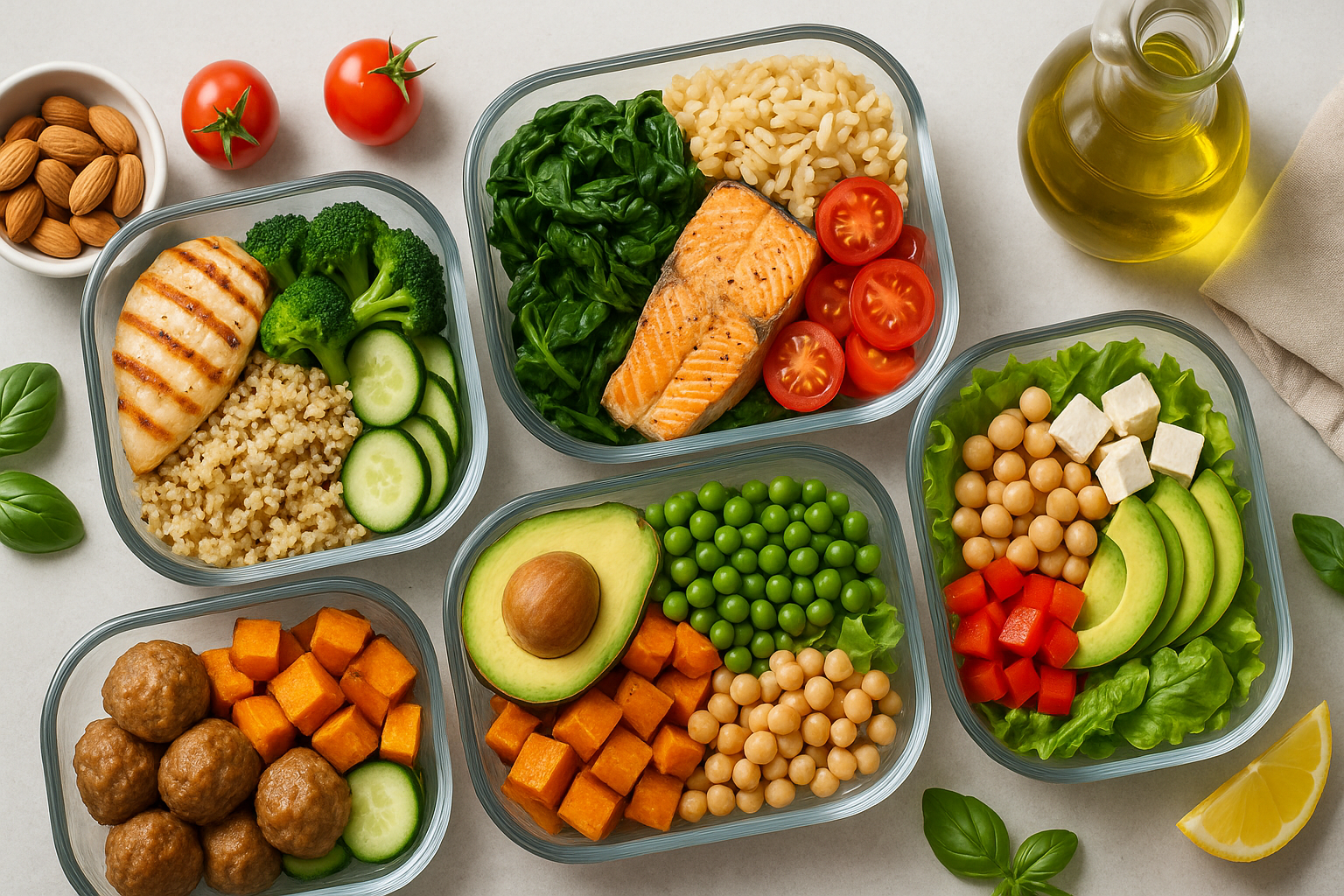
Create habits that mesh seamlessly with your lifestyle. For instance, balance a busy schedule with meal prepping or involve family in your healthy cooking endeavors to foster support and shared goals.
Common Dieting Pitfalls and How to Avoid Them
Embarking on a dietary journey is full of challenges and potential missteps. Here’s how to navigate them:
Over-Restricting Calories
Cutting calories drastically might yield quick weight loss, but can also lead to nutrient deficiencies and a slower metabolism. Ensure you’re eating enough to meet nutritional requirements.
Lack of Consistency
Frequent deviations can hamper progress. Aim for consistency rather than perfection. Appreciate small victories along your journey.
Maximizing Your Success
Success doesn’t just mean reaching a goal weight. It’s about cultivating a genuinely healthy and sustainable relationship with food that promotes overall wellness.
| Aspect | Goal | Strategy |
|---|---|---|
| Mindset | Positive Growth | Celebrate non-scale victories. |
| Nutrition | Balanced Diet | Ensure each meal is macro-balanced. |
| Exercise | Enhanced Fitness | Incorporate varied physical activities. |
FAQ
How do I know if my healthy diet plan is working?
Monitor progress not just by weight, but by how you feel, your energy levels, and how well your clothes fit. Also, regular check-ins with a nutritionist can provide expert guidance.
Is it essential to weigh all my food?
It’s not mandatory, but weighing food can give you exact insights into portion sizes and ensure accurate macro tracking. As you become more acquainted with visually estimating portions, strict weighing can decrease.
What if I plateau in my weight loss journey?
Plateaus are normal and indicate that your body is adjusting. Recalculate your TDEE and adjust your macros. Diversifying workouts and focusing on hydration might also link you back to progress.
Can I enjoy treats on a healthy diet plan?
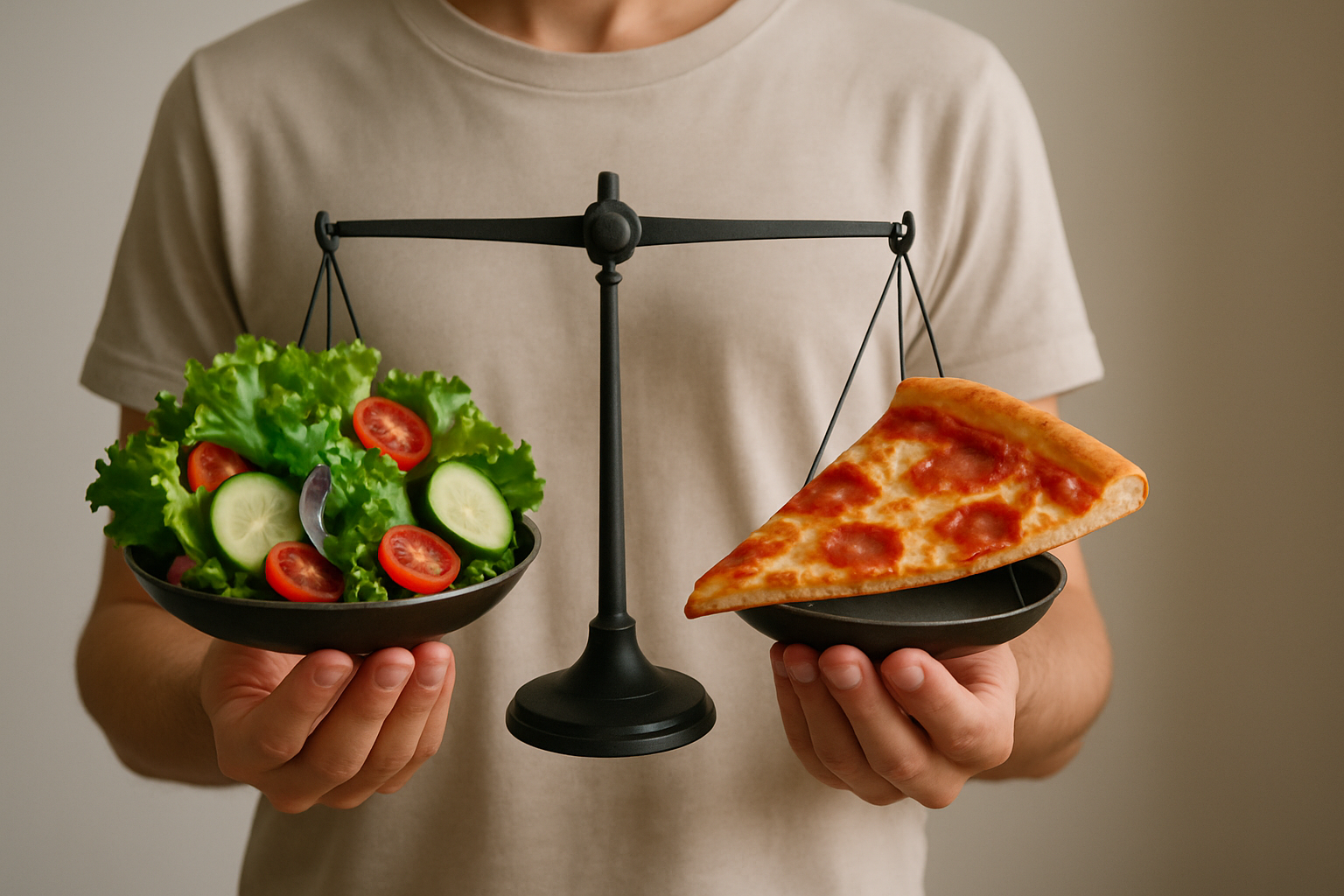
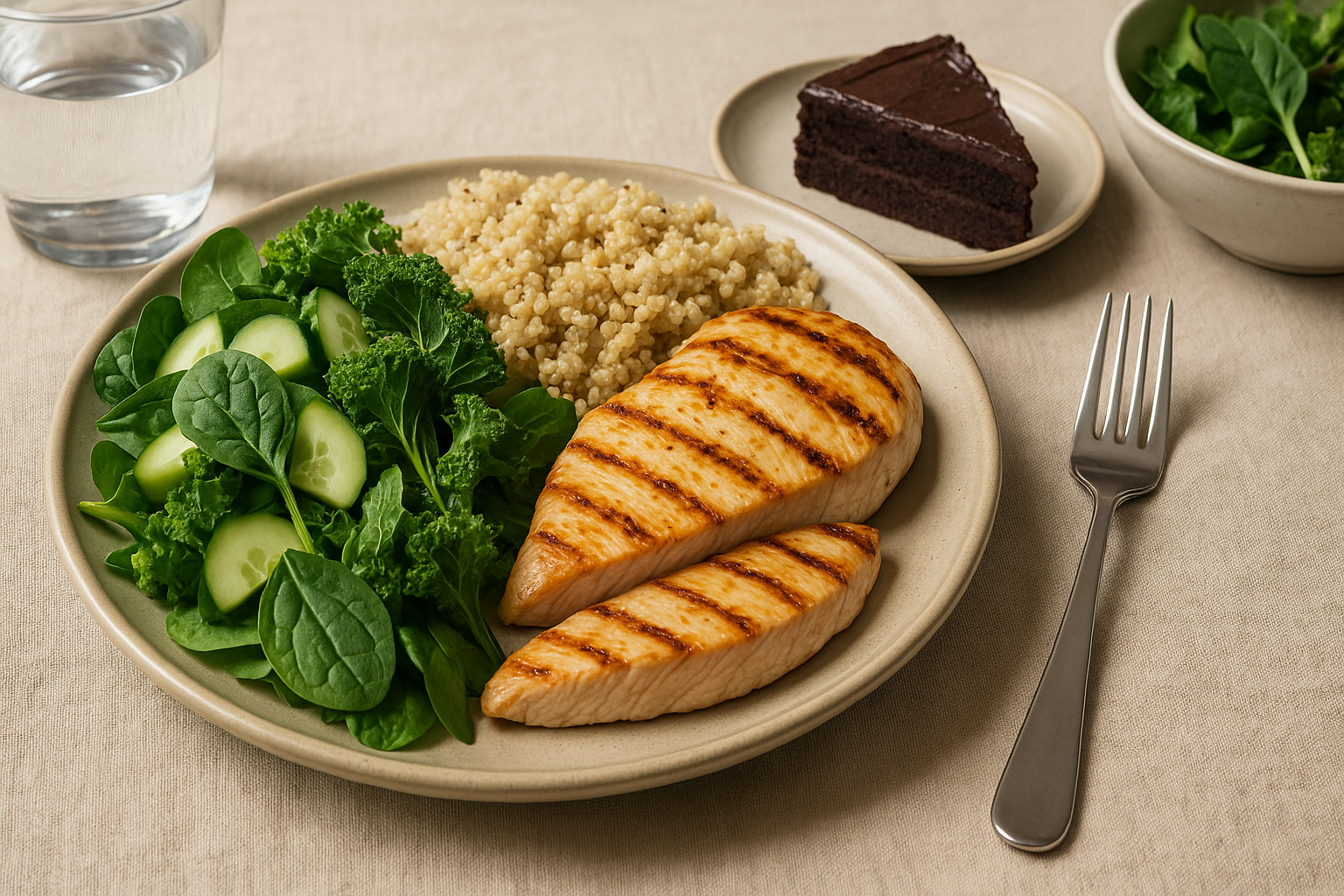
Absolutely! Moderation is key. Allow occasional treats to prevent feeling deprived, making your dieting journey more enjoyable and sustainable.
Is there a simple way to track my macros throughout the day?
Numerous apps, such as MyFitnessPal or Cronometer, offer user-friendly interfaces to log and track your meals, easing the macro-tracking process.
Conclusion
Crafting a healthy diet plan that successfully integrates macro calculations is a powerful tool for sustainable fat loss. By focusing on sensible eating habits and the wisdom of balance, you’re not just following another diet—you’re making a lifestyle change that fosters long-term health and well-being. Ready to take actionable steps? Explore our comprehensive guides on effective meal planning to further boost your efforts.


Deixe um comentário