Mastering Your Healthy Diet Plan: Calculating Macros and Fat Loss Tips for Sustainable Success
Are you looking to design a healthy diet plan that not only promotes fat loss but also fits into your lifestyle? You’re not alone. In a world filled with fad diets and quick fixes, crafting a plan that works for you can feel like a daunting task. But here’s the encouraging truth: a sustainable, healthy eating regime doesn’t have to be complicated or restrictive. It all starts with understanding your body’s nutritional needs, including how to calculate your macros effectively. Let’s delve into some practical tips that will guide you on this journey to better health.
- Understanding Food Macronutrients
- Steps to Calculate Your Macronutrients
- Effective Fat Loss Tips for Sustainable Dieting
- Common Pitfalls to Avoid
- FAQ About Healthy Diet Plans
Understanding Food Macronutrients
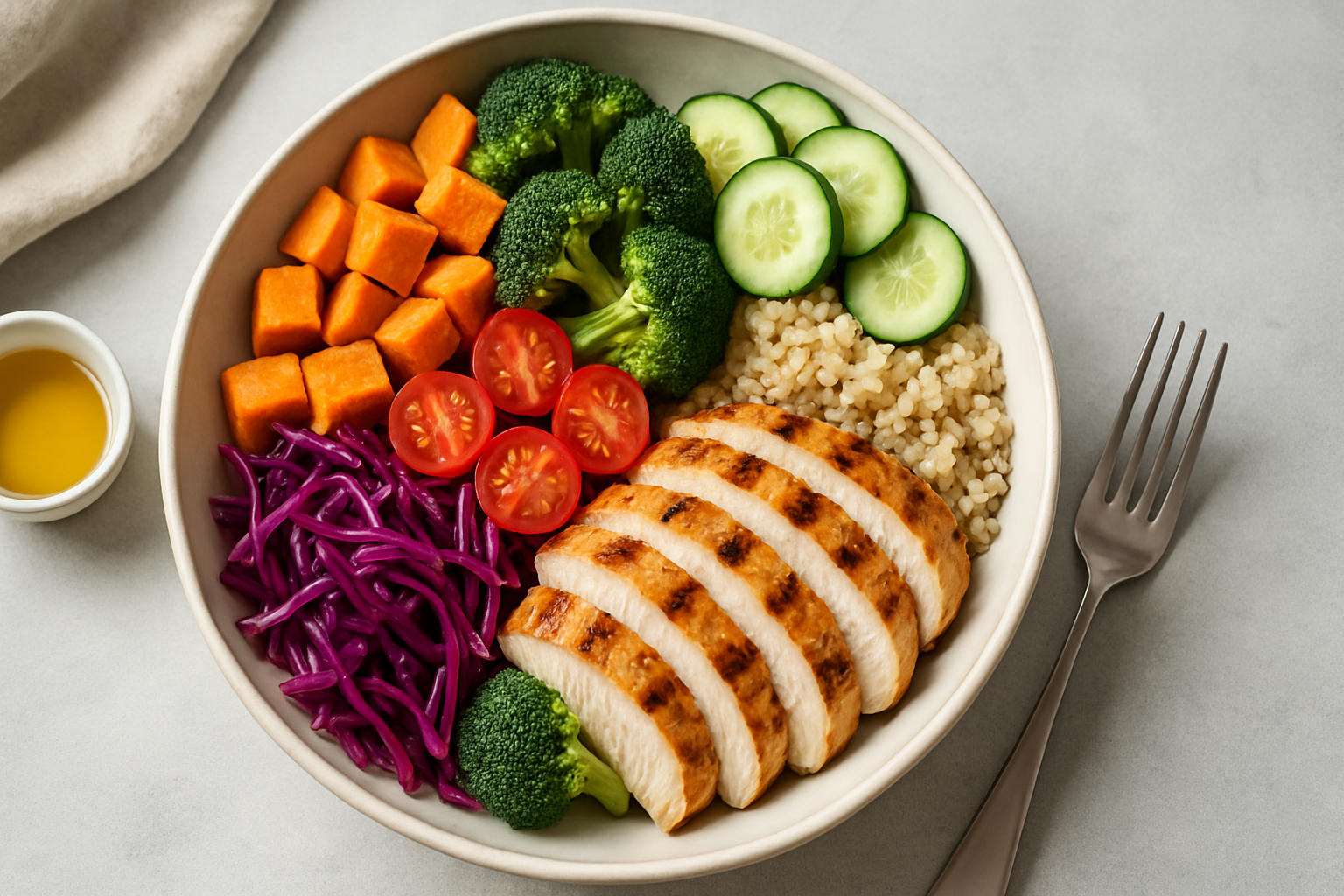
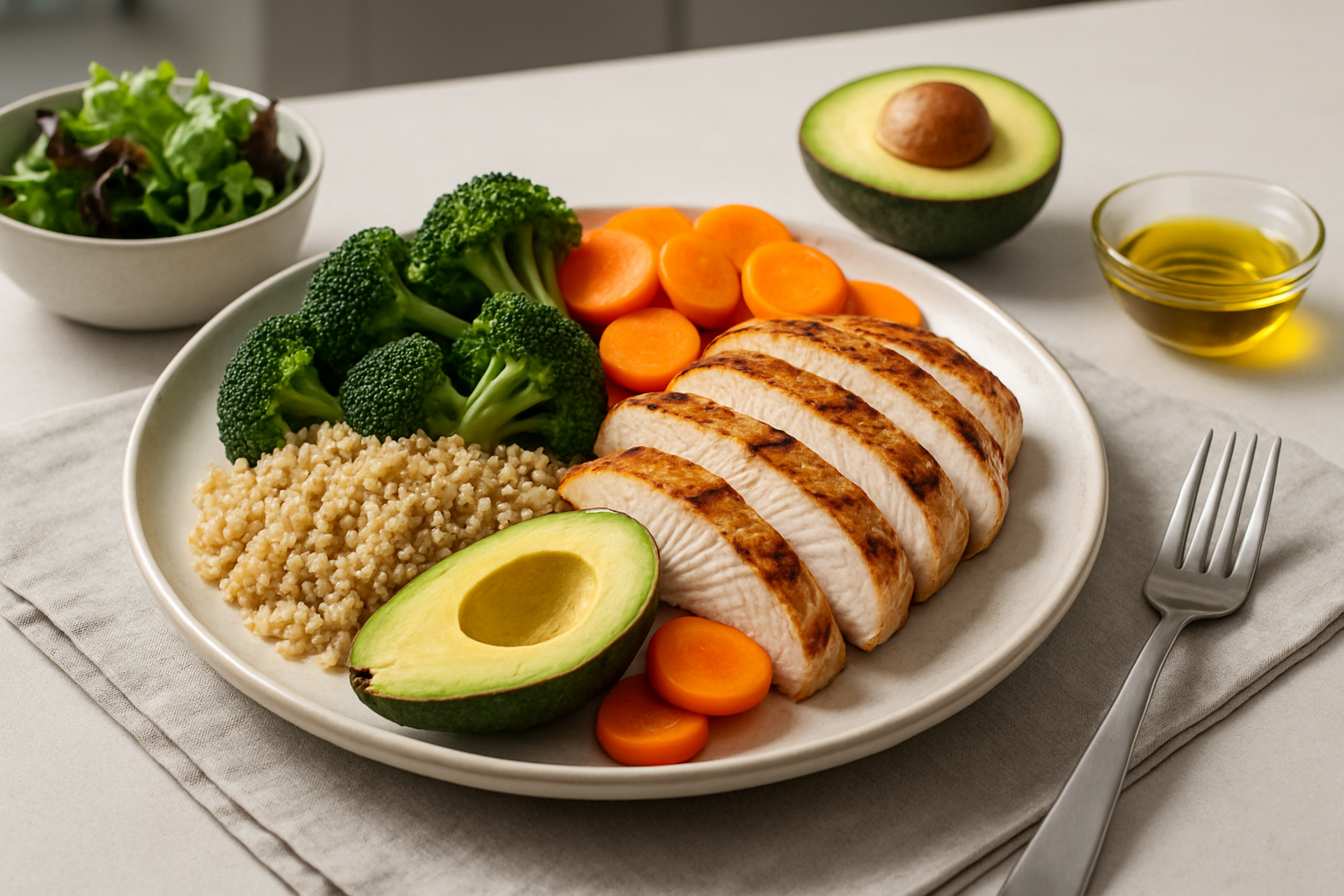
Macronutrients, or macros, include proteins, fats, and carbohydrates. These are the nutrients our bodies need in larger quantities for energy, growth, and overall health. Here’s a brief look at each:
- Proteins: Essential for building muscle and repairing tissues. Good sources include meats, dairy, and legumes.
- Fats: Critical for hormone production and energy. Healthy fats can be found in avocados, nuts, and olive oil.
- Carbohydrates: The body’s primary energy source. Carbs are found in fruits, vegetables, and whole grains.
Each macronutrient plays a unique role in maintaining a healthy body, and balancing them is crucial for sustainable dieting and fat loss.
Steps to Calculate Your Macronutrients
To create a diet plan tailored to your body’s needs, you need to calculate your macronutrients based on your daily caloric requirement. Here’s how to get started:
1. Determine Your Basal Metabolic Rate (BMR)
Your BMR is the number of calories your body needs at rest to maintain basic bodily functions. Various online calculators can estimate this for you, but the Harris-Benedict equation is a reliable method.
2. Calculate Your Total Daily Energy Expenditure (TDEE)
TDEE accounts for all the activities you do in a day. Multiply your BMR by an activity factor (from sedentary to very active) to find out how many calories you burn daily.
| Activity Level | Multiplier |
|---|---|
| Sedentary (little or no exercise) | BMR x 1.2 |
| Lightly Active (light exercise) | BMR x 1.375 |
| Moderately Active (moderate exercise) | BMR x 1.55 |
| Very Active (hard exercise) | BMR x 1.725 |
3. Macro Distribution
Once you have your TDEE, you can allocate those calories among proteins, fats, and carbs:
- Proteins: 10-35% of daily calories
- Fats: 20-35% of daily calories
- Carbs: 45-65% of daily calories
Adjust these percentages based on your goals. For example, individuals aiming for muscle gain may prioritize higher protein intake.
Effective Fat Loss Tips for Sustainable Dieting
Fat loss isn’t just about cutting calories; it’s about making smarter choices that you can maintain over time. Here’s what I’ve learned from my journey:
1. Prioritize Whole Foods
Processed foods are often high in sugar and unhealthy fats. Focus on whole foods that are nutrient-dense and satisfying.
2. Practice Mindful Eating
Tune into your body’s hunger and fullness cues. Eating slowly and without distractions helps you recognize when you’re satisfied.
3. Ensure Regular Exercise
Combine your healthy diet plan with physical activity that you enjoy, whether it’s walking, yoga, or strength training.
Common Pitfalls to Avoid
1. Falling for Fad Diets
These diets often promise quick results but can lead to nutrient deficiencies and are usually unsustainable.
2. Relying on Restriction
Extremely low-calorie diets can slow metabolism and promote muscle loss rather than fat loss.
3. Skipping Meals
Skipping meals can lead to overeating later and disrupts your body’s energy balance.
FAQ About Healthy Diet Plans
What are the best sources of protein for fat loss?
High-quality proteins such as lean meats, eggs, and plant-based options like tofu and legumes are excellent for fat loss.
How often should I recalculate my macros?
Every 4-6 weeks or after significant changes in weight or activity level keeps your plan tailored to your needs.
Is it necessary to count calories for fat loss?
While helpful, it isn’t mandatory. A focus on nutrient-dense foods and mindful eating can also be effective.
What’s an effective way to track macros?
Apps like MyFitnessPal and Cronometer offer ease of use in tracking macros and staying informed about nutritional intake.
Can I have cheat meals and still lose weight?
Yes, occasionally indulging can help maintain a balance without derailing your long-term goals.
Conclusion: Your Journey to a Healthier You
Your path to a sustainable healthy diet plan is a personal journey that involves understanding your macros, enjoying foods that fuel your body, and keeping your lifestyle at the center of your health goals. By avoiding common pitfalls and embracing practical fat loss tips, you are setting yourself up for long-term success. Remember, moderation and mindfulness are your allies.
To further explore healthy eating habits, consider reading our comprehensive guide on meal planning for weight loss.