In a world flooded with diet trends and quick fixes, understanding how to establish a healthy diet plan that contributes to lasting weight loss can be overwhelming. If you’ve struggled with yo-yo dieting or unsustainable eating habits, this guide is for you. It will provide practical insights on calculating macros, maximizing fat loss tips, and following a sustainable dieting strategy.
Author Note: As a nutrition enthusiast passionate about sustainable habits, I’ve spent over a decade studying and applying these principles. My approach blends science with practicality to suit real-life scenarios, and I aim to share actionable advice grounded in experience.
- Why a Healthy Diet Matters
- How to Calculate Macros
- Effective Fat Loss Tips
- Building Sustainable Dieting Habits
- FAQ: Your Dieting Questions Answered
- Key Takeaways
Why a Healthy Diet Matters
A healthy diet is not just about losing weight; it’s about cultivating a lifestyle that supports your physical and mental well-being. The benefits extend beyond the scale: improved energy levels, enhanced mood, and better sleep. Recent studies from 2025 highlight that consistent healthy eating patterns significantly reduce the risk of chronic diseases [Source].
The Pitfalls of Fad Diets
Many get trapped in the allure of quick results promised by fad diets. These often eliminate entire food groups, causing nutritional imbalances and are hard to maintain in the long run. A previous article we published breaks down the struggles of following such unsustainable regimes.
Benefits of a Balanced Approach
Adopting a balanced approach helps address cravings and maintains lean body mass. Notably, a diverse diet aids in achieving better overall macro distribution and nutrient intake. Here’s how you can start:
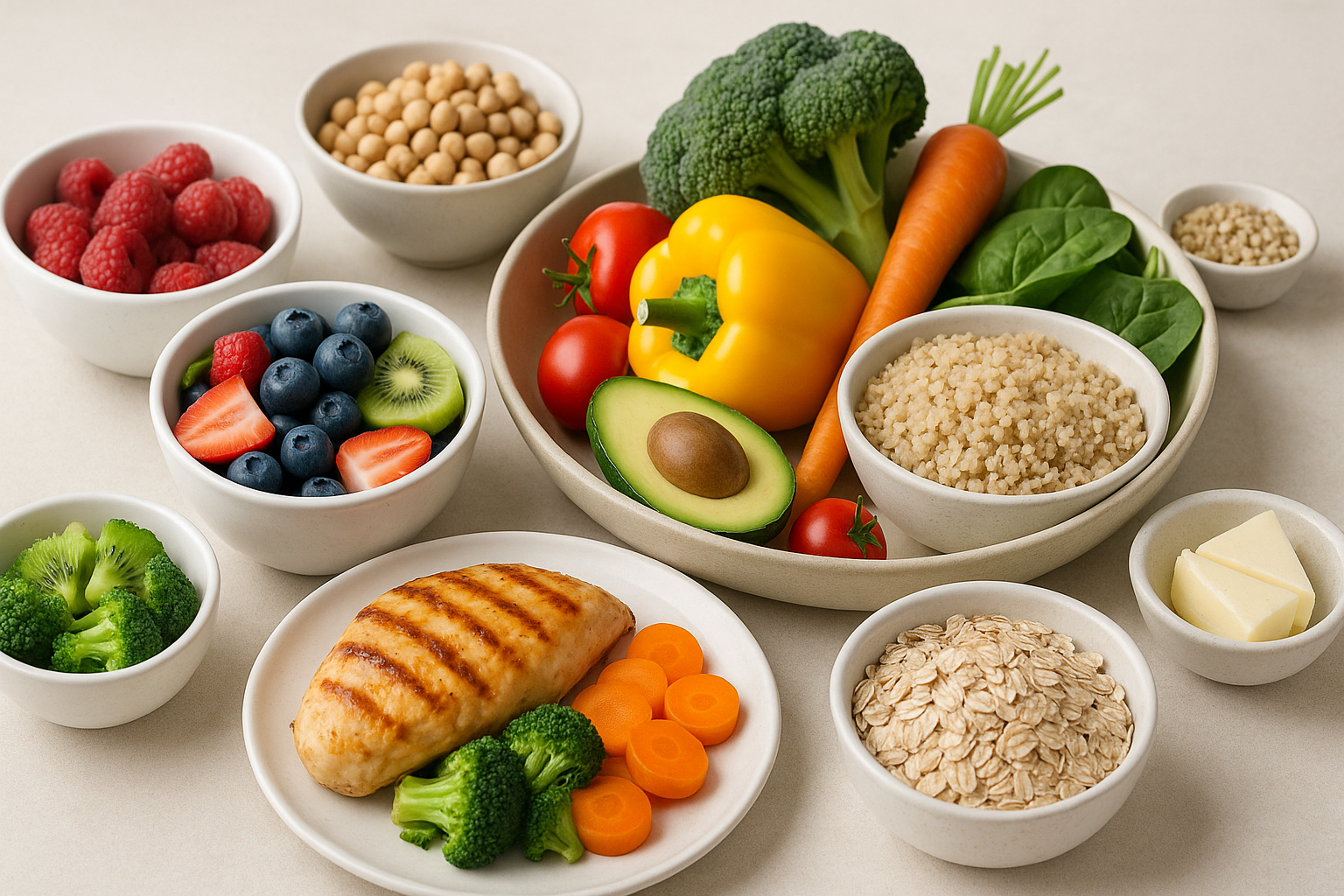
- Focus on whole foods—fruits, vegetables, lean proteins, and whole grains.
- Allow yourself flexibility instead of strict rules.
- Pay attention to portion sizes.
How to Calculate Macros
Macros, or macronutrients, are essential nutrients your body needs in large amounts. Understanding their role can significantly optimize your diet for weight loss and muscle gain.
What are Macros?
Macros consist of proteins, carbohydrates, and fats, each playing specific roles. Proteins are essential for muscle repair, carbohydrates provide energy, and fats support cell growth. Calculating these can help personalize a diet plan without the stress of extreme caloric restriction.
Steps to Calculate Your Macros
- Determine your Basal Metabolic Rate (BMR): Calculate the calories your body needs at rest using online calculators.
- Assign Macro Ratios: Typical ratios for weight loss might be 40% carbs, 30% protein, and 30% fats.
- Track and Adjust: Use apps to track intake and make adjustments based on progress.
Real-Life Example
Consider a 30-year-old female, Maria, aiming to lose weight. She calculates her BMR at 1500 calories. With an active lifestyle, her total caloric needs increase to 2000. By setting her macros to target a caloric deficit (1800 calories), she aligns her ratios and adjusts as she progresses.
Effective Fat Loss Tips
Fat loss doesn’t have to be grueling. Implementing small, consistent changes can yield impressive results over time.
Prioritize Protein
Incorporating more protein can enhance satiety and aid muscle preservation during a caloric deficit. A research study in 2024 highlighted that high-protein diets boosted metabolism and reduced cravings [Source].
Adopt Intermittent Fasting
Intermittent fasting can be a powerful tool for fat loss, improving metabolic health, and simplifying your routine. However, it isn’t suitable for everyone. Beginners are encouraged to start by skipping breakfast a couple of times a week.
Stay Hydrated
Hydration plays a crucial role in the body’s metabolic processes. Drinking water before meals can help control appetite, contributing to weight reduction. Here’s an insider tip: replacing sugary drinks with water or herbal teas can also reduce empty calorie intake.
| Tip | Implementation |
|---|---|
| Focus on Whole Foods | Increase intake of natural produce |
| Monitor Progress | Regularly adjust your plan to stay on track |
| Stay Consistent | Commit to long-term habits over daily perfection |
Building Sustainable Dieting Habits
Sustainability is about creating a balanced approach that you can maintain for life. It’s a journey towards eating habits that are adaptable and enjoyable.
Set Realistic Goals
Start with measurable and attainable objectives. Instead of aiming for a drastic weekly weight loss goal, target 1-2 pounds a week. This approach aids emotionally and physically, preventing burnout and discouragement.
Incorporate Mindful Eating
Mindfulness when eating allows you to savor food, recognize hunger cues, and promote healthier choices. Simply focusing on meals without distractions like phones can enhance this practice significantly.
Learn from Setbacks
Every journey includes hurdles. When facing one, reflect on what went awry, learn from errors, and recalibrate. Such resilience fosters lasting change and instills confidence in your dietary decisions.
FAQ: Your Dieting Questions Answered
Is it necessary to count calories for weight loss?
Counting calories can be beneficial but is not a must. Focusing on macro distribution and whole food intake often yields a natural caloric reduction, enhancing fat loss results.
Can I eat out while dieting?
Yes! Dining out can include healthier choices like grilled options and vegetable sides. Request modifications like dressing on the side to maintain control over macro intake.
What’s the best diet for sustainable weight loss?
There is no one-size-fits-all answer. The best diet is the one that aligns with your lifestyle and is balanced, inclusive of all food groups, flexible, and enjoyable.
How can I calculate my caloric needs?
To roughly estimate, use the Mifflin-St Jeor formula or an online BMR calculator. These take into account age, sex, weight, and activity level for accurate assessments.
Are diet sodas a healthy alternative?
While diet sodas offer a low-calorie option, it’s best to consume them in moderation. They contain artificial sweeteners that can sometimes disrupt appetite regulation.
Key Takeaways
- A healthy diet is foundational to sustainable fat loss and overall well-being.
- Calculate your macros to personalize your dietary approach effectively.
- Consistency and adaptability are key to successful and lasting changes.
- Empower yourself with knowledge, flexibility, and resilience for a healthier lifestyle.
Embarking on a journey towards better health and sustainable weight loss is a rewarding and transformative experience. With the right tools and an informed approach, achieving your goals becomes an attainable reality. Embrace these strategies, remain patient, and celebrate the progress along the way.




Deixe um comentário