
Build Muscle and Sculpt Your Physique: A Beginner’s Guide to Gym Routines and Muscle Hypertrophy
Starting a new fitness journey can be both exciting and overwhelming. Whether you aim to build muscle, achieve a sculpted physique, or enhance overall fitness, understanding the key principles of muscle hypertrophy is crucial. This guide provides beginner-friendly gym routines to lay a solid foundation for your fitness goals.
- Introduction
- Understanding Muscle Hypertrophy
- Beginner Gym Routine for Building Muscle
- Nutrition and Recovery
- Common Mistakes and How to Avoid Them
- FAQs
- Conclusion
Understanding Muscle Hypertrophy
Muscle hypertrophy refers to the growth and increase in the size of muscle cells, primarily achieved through resistance training. There are two main types of hypertrophy: sarcoplasmic and myofibrillar. Sarcoplasmic hypertrophy increases muscle size by expanding the fluid in the muscle cells, while myofibrillar hypertrophy enhances muscle density by increasing protein strands. For beginners, focusing on a balanced approach to both types can yield the best results.
In my own early days at the gym, I focused solely on lifting heavy weights to maximize myofibrillar hypertrophy. However, I soon realized that incorporating higher repetitions with lighter weights optimized my muscle growth by engaging multiple hypertrophy pathways.
The principle of progressive overload is critical to hypertrophy. This involves gradually increasing the stress placed on muscles during exercise, stimulating growth and adaptation. A study published by the National Strength and Conditioning Association supports this approach, indicating progressive overload as a key driver of muscle growth.
Beginner Gym Routine for Building Muscle
Creating an effective gym routine involves understanding your fitness goals and setting realistic expectations. For beginners, a full-body workout performed three times per week can efficiently build muscle mass while improving overall strength.
Day 1: Fundamental Strength Building
- Barbell Squats: 3 sets of 8-10 reps
- Bench Press: 3 sets of 8-10 reps
- Rows: 3 sets of 10 reps
- Lat Pulldown: 3 sets of 10 reps
Day 2: Push and Pull Focus
- Overhead Press: 3 sets of 8 reps
- Deadlifts: 3 sets of 6 reps
- Dumbbell Bench Press: 3 sets of 10 reps
- Cable Rows: 3 sets of 10 reps
Day 3: Endurance and Balance
- Leg Press: 3 sets of 12 reps
- Bicep Curls: 3 sets of 12 reps
- Tricep Dips: 3 sets of 12 reps
- Planks: 3 sets of 30 seconds
Emphasizing form over weight is crucial, especially for beginners to prevent injury and ensure maximum muscle engagement.
Nutrition and Recovery
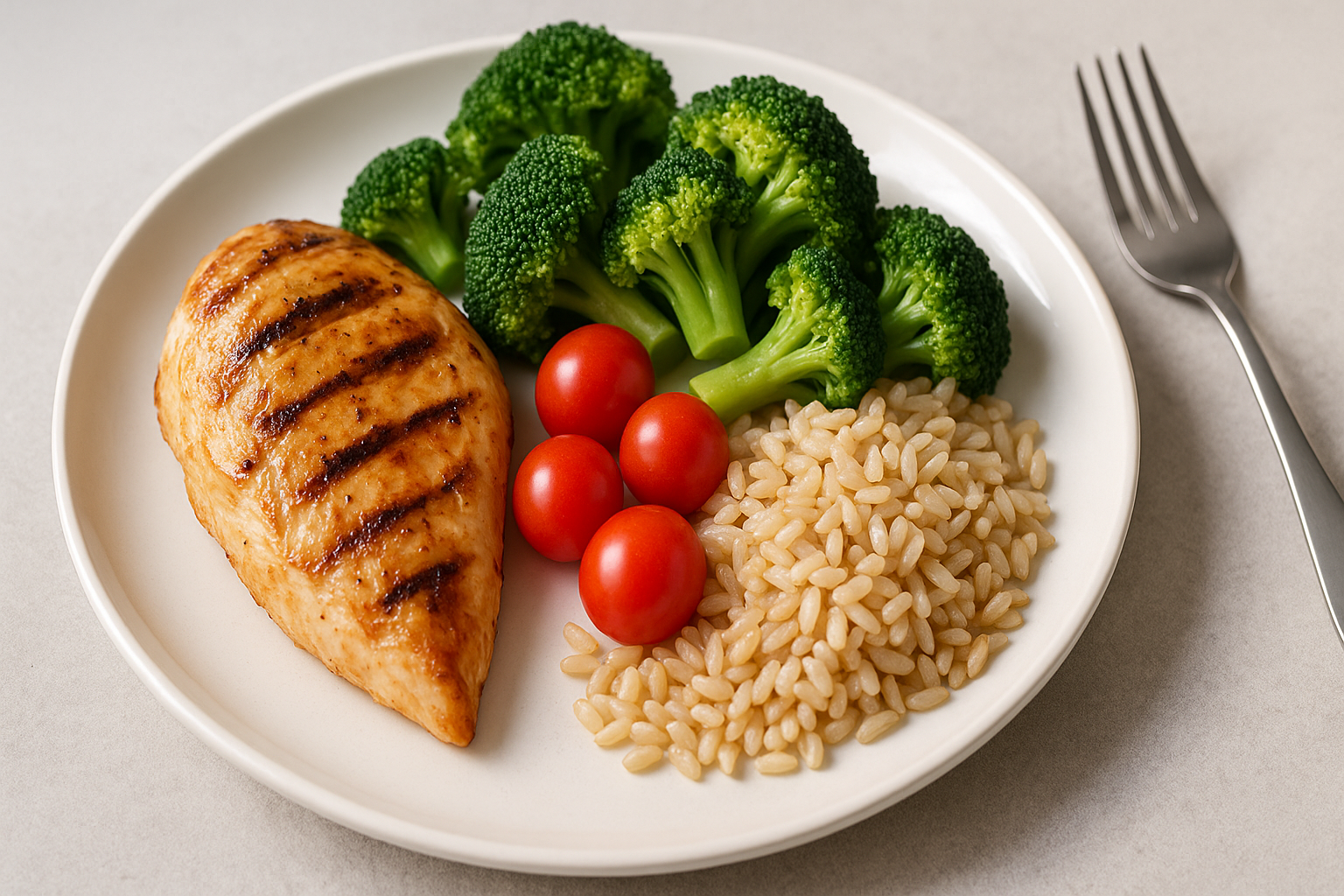
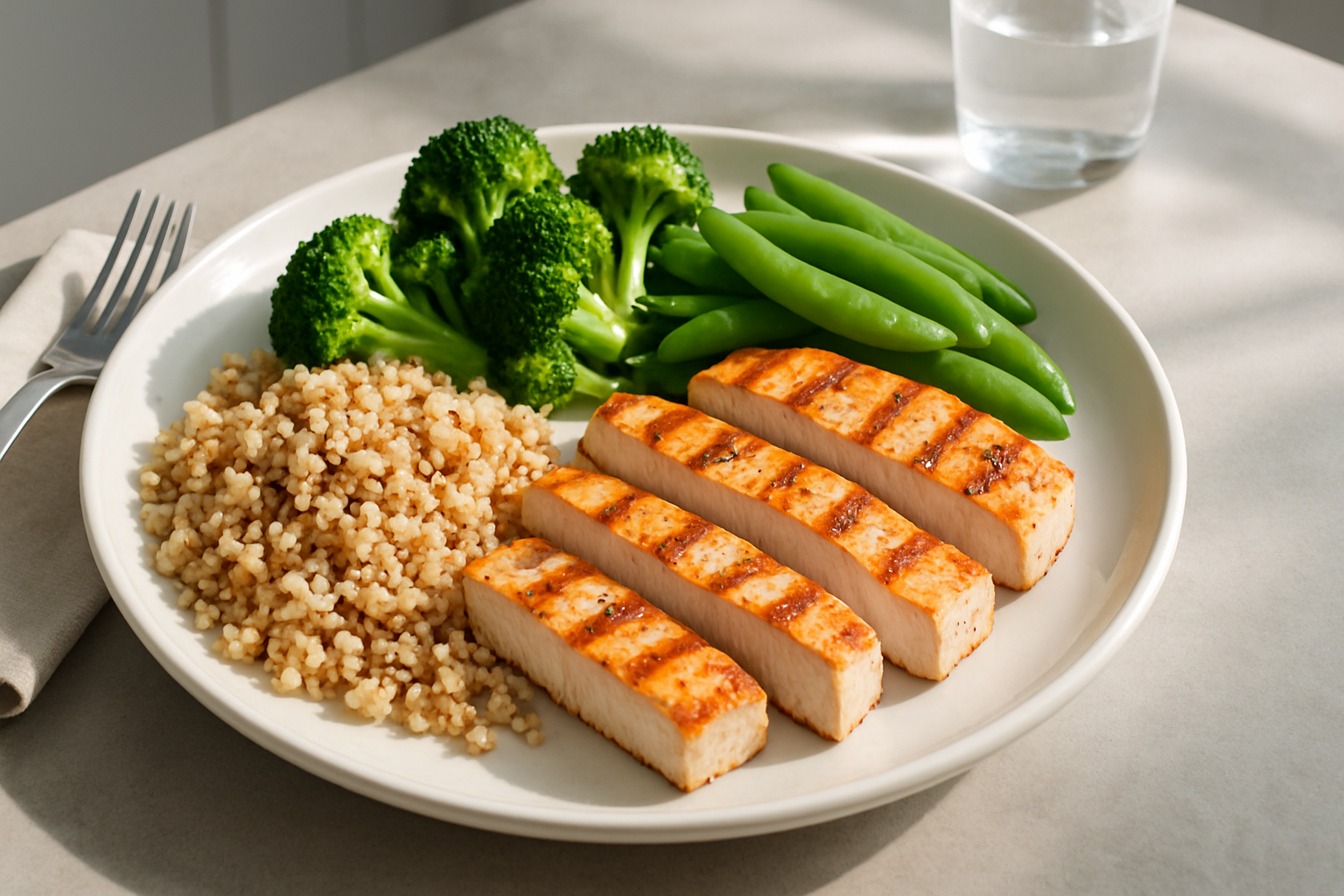
Successful muscle building extends beyond the gym. Nutrition and recovery also play integral roles. A diet rich in protein, carbohydrates, and healthy fats fuels workouts and supports recovery and growth. According to the American Journal of Clinical Nutrition, adequate protein intake, approximately 1.6 grams per kilogram of body weight, is effective for muscle hypertrophy.
Equally essential is allowing muscles to recover. Rest days and adequate sleep are crucial in preventing overtraining and promoting muscle repair. Incorporating techniques such as foam rolling or yoga on rest days can enhance recovery.
Common Mistakes and How to Avoid Them
Avoiding common pitfalls can expedite your muscle-building journey:
- Neglecting Warm-Ups: Always start with dynamic stretches to prepare your muscles.
- Overtraining: Balance intensity with rest. Listen to your body to prevent burnout.
- Poor Diet: Underestimating the power of nutrition can stall progress. Ensure balanced and nutritious meals.
Through personal experience, I discovered the impact of inconsistency on progress. By adhering to a disciplined routine, tangible results become more attainable.
| Common Mistake | Consequences | Solution |
|---|---|---|
| Inconsistent Workout | Inhibits progress | Set a fixed schedule |
| Improper Form | Risk of injury | Focus on technique |
| Skipping Rest | Muscle fatigue | Incorporate rest days |
FAQs
What is muscle hypertrophy, and why is it important?
Muscle hypertrophy is the process of increasing muscle size. It is beneficial for enhancing strength, improving physical appearance, and boosting metabolism. For beginners, understanding and targeting hypertrophy can effectively jumpstart strength-building endeavors.
How can a beginner start building muscle efficiently?
Beginners should begin by following a structured gym routine that includes compound exercises, maintaining consistency, and gradually increasing workout intensity. A balanced diet paired with adequate recovery complements gym efforts for optimal results.
Why is nutrition crucial in a muscle-building regimen?
Nutrition provides the necessary fuel and nutrients required to repair and grow muscles after workouts. Protein intake is particularly essential for muscle recovery, while carbohydrates supply energy, and fats aid overall body functions.
What role does rest play in muscle growth?
Rest allows muscles to repair and grow post-training, making it a vital component of any fitness plan. Overtraining without adequate recovery can lead to fatigue and hinder progress. Rest days and sufficient sleep are fundamental for achieving muscle gains.
Conclusion
Embarking on a muscle-building journey is an empowering step towards improved fitness and health. By focusing on proper techniques, understanding muscle hypertrophy, and balancing workouts with nutrition and rest, beginners can optimize their gym routine for sustainable results. Remember, consistency is key, and every small step contributes to larger goals.
Author Note: As a passionate practitioner in fitness, I understand the challenges beginners face in this journey. Through trial, error, and learning from industry experts, this guide aims to empower readers with actionable insights for their muscle-building goals.



Deixe um comentário