
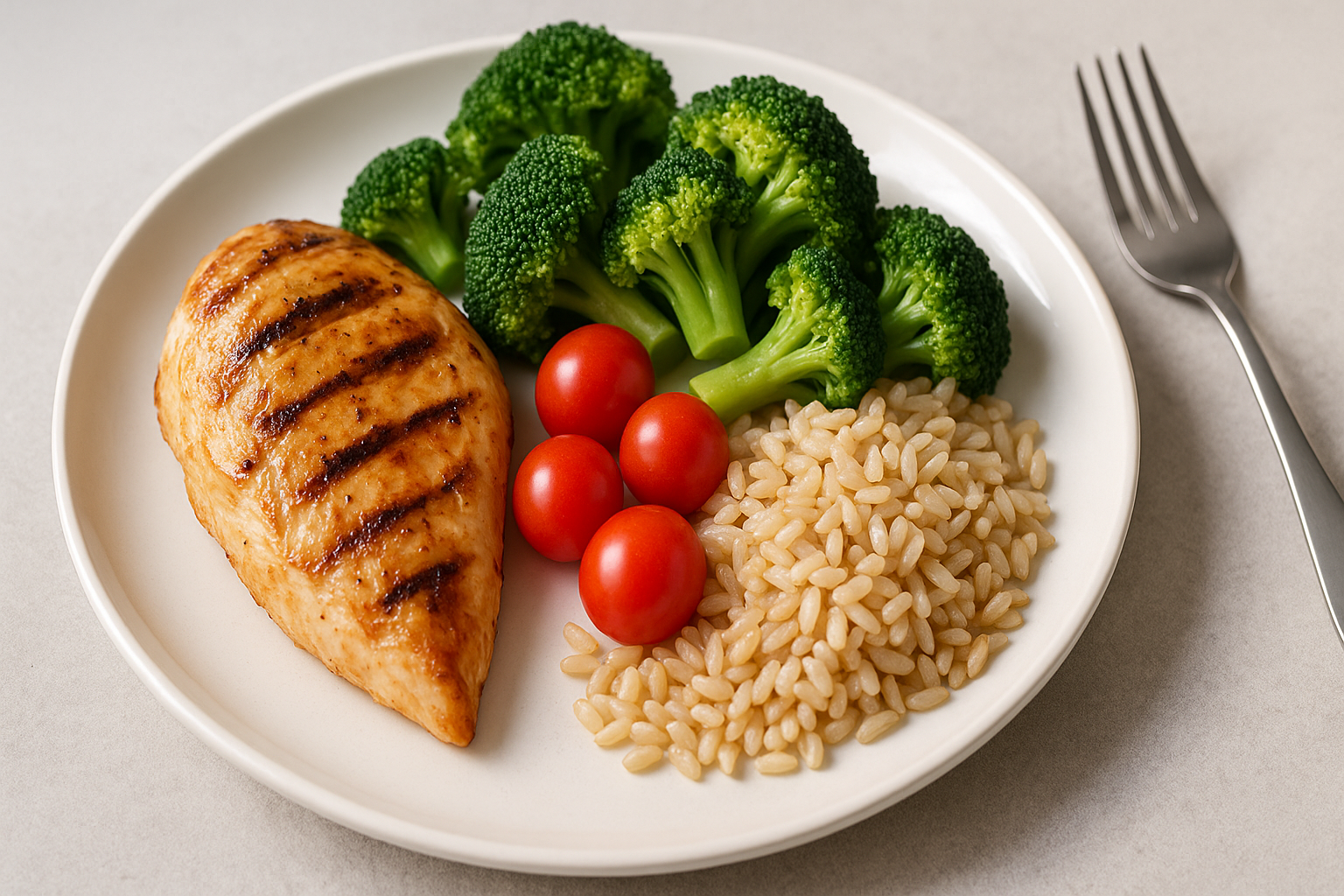
Dieting Without Starving: How to Calculate and Track Your Macros for Sustainable Fat Loss
Maintaining a healthy diet plan while aiming for fat loss can often feel like walking a tightrope. The key is to do it sustainably without feeling like you’re constantly battling hunger. This article will guide you through the essential steps of calculating and tracking your macros, offering expert tips for sustainable dieting.
- What Are Macros?
- Why Calculate Macros?
- How to Calculate Your Macros
- Tracking Your Macro Intake
- Tips for Sustainable Macro Tracking
- Frequently Asked Questions
- Conclusion
What Are Macros?
Macros, short for macronutrients, include carbohydrates, proteins, and fats. Each offers unique benefits and plays distinct roles in our body’s functioning. Carbohydrates provide energy, proteins are crucial for muscle repair, and fats support hormone production and cell growth.
For instance, a bodybuilder’s diet might be high in proteins to aid muscle growth, whereas an endurance athlete relies more on carbohydrates. Understanding this balance is crucial to effectively manage your dietary needs.
Real-Life Example
Consider Sarah, a marketing professional who’s actively trying to lose weight. Instead of depriving herself of her favorite foods, she learns to allocate her macros in a way that suits her lifestyle, all while witnessing steady fat loss without drastic hunger pangs.
Why Calculate Macros?
Calculating macros allows for a customized approach to dieting that emphasizes balance rather than restriction, ensuring your body receives the nutrients it needs.
- Control: By controlling your macro intake, you’re not leaving your progress to chance. It’s measurable and adjustable.
- Flexibility: It offers opportunities to enjoy a wider variety of foods while still staying within your nutritional goals.
- Clinical Support: Studies, such as those published in the National Institutes of Health, show that flexible dieting based on macros can lead to more sustainable fat loss than traditional calorie restriction alone.
Expert Insight
Nutrition expert, Dr. Lisa Davies, highlights, “Dieting shouldn’t feel like punishment. A strategic macro plan allows individuals to achieve balance, providing nutrients that support both physical performance and mental clarity.”
How to Calculate Your Macros
Calculating your macros begins with determining your Total Daily Energy Expenditure (TDEE). This value reflects the calories you need daily based on your activity level.
- Calculate Basal Metabolic Rate (BMR): This is the amount of energy expended while at rest. Various online calculators can assist you using your age, weight, height, and gender.
- Adjust for Activity Level: BMR is multiplied by an activity factor (low to high) to find TDEE. A sedentary job requires a lower factor than a physically demanding job.
- Determine Macro Ratios: Common ratios are 40% carbs, 30% protein, and 30% fat, but these should adjust based on personal goals and preferences.
| Activity Level | Multiplier | Example TDEE (2000 BMR) |
|---|---|---|
| Sedentary (little or no exercise) | 1.2 | 2400 |
| Lightly Active (light exercise) | 1.375 | 2750 |
| Moderately Active (moderate exercise) | 1.55 | 3100 |
Concrete Example
Take Alex, who works an active retail job. His BMR is 1800 calories, and he’s moderately active. Using the multiplier, his TDEE is 2790 calories. By adhering to a calculated macro ratio tailored for fat loss, Alex eats supportively, aiding his muscle maintenance and energy levels.
Tracking Your Macro Intake
Tracking helps uphold your commitment to your dietary goals. Tools like MyFitnessPal streamline this process by allowing users to record and analyze their daily intake.
- Record Meals: Log your meals and snacks as you consume them, providing a visual representation of your eating habits.
- Adjust As Needed: If measurements or weight stagnation occurs, reflect and adjust macro distribution for continued progress.
- Consistency is Key: Tracking builds a habit, helping ingrained decision-making that aligns with your goals.
Author Note
As a seasoned nutrition coach, I’ve tailored numerous macro plans that emphasize balance and long-term success. It’s not just about adjusting numbers but understanding what these nutrients contribute to your growth and overall health.
Tips for Sustainable Macro Tracking
Achieving fat loss without starvation means finding methods to keep your macro tracking manageable and effective.
- Plan Ahead: Prepare meals in batches throughout the week with ingredients that align with your macro goals.
- Stay Educated: Understand how different foods impact your macro count. Knowledge fuels smart choices.
- Be Flexible: Allow a ‘cheat meal’ now and then without guilt, but ensure it fits within macro targets.
Common Pitfalls
A common mistake is relying solely on estimated macros without adjusting according to progress. Regularly check your results and modify accordingly.
Frequently Asked Questions
Can I lose weight without tracking macros?
While it’s possible, tracking macros provides precision. It helps ensure balanced nutrition without inadvertently running deficits in crucial nutrients. This conscious tracking often translates into more consistent, sustainable weight loss.
How do I handle social meals that aren’t easy to track?
Focus on portion sizes and make educated guesses. Prioritize protein and vegetables, and remember, one meal won’t derail progress. Maintain a flexible mindset to balance personal goals with social enjoyment.
Does not meeting my macros affect muscle gain?
Consistently missing specific macros, especially proteins, could impact muscle repair and growth. Balance is essential, emphasizing macronutrient diversity to support complete body needs for growth and recovery.
What’s the simplest way to start tracking macros?
Begin with a user-friendly app like MyFitnessPal. Start inputting meals and snacks, with initial goals set by current habits to minimize drastic diet changes. Adjust over several weeks.
Are macros the same as calories?
Macros contribute to calories, each offering varying caloric energy: carbohydrates and proteins offer 4 calories per gram, while fats offer 9. Balancing macros can refine energy intake more than calorie counting alone.
Conclusion
Tracking your macros with a healthy diet plan in mind facilitates a balanced approach to fat loss that doesn’t involve starvation. By understanding and implementing the right macro balance for your body, sustaining fat loss becomes achievable and less daunting. Ultimately, successful dieting emphasizes adaptability, knowledge, and commitment to holistic well-being.



Deixe um comentário