Why a Structured Approach to Dieting Matters
In the quest for a healthier lifestyle, many individuals struggle with finding a sustainable path to fat loss. A structured and comprehensive healthy diet plan serves as your roadmap, guiding you through nutritional decisions with clarity and purpose. For those eager to achieve and maintain a healthy body weight, understanding the key sections of a diet plan can greatly increase the chances of long-term success.
This article delves into what makes a diet plan effective, emphasizing the importance of calculating macros and offering realistic fat loss tips. Based on current nutritional science, let’s explore these critical components to help you reach your goals sustainably.
- Introduction
- Calculating Your Macros
- Effective Meal Planning Strategies
- Sustainable Fat Loss Tips
- Avoiding Common Dieting Mistakes
- Conclusion
Calculating Your Macros
Understanding Macronutrients
Macronutrients are the building blocks of your diet, comprising carbohydrates, proteins, and fats. Each plays a vital role in your overall health and energy levels. To calculate your macros, you first need to determine your Basal Metabolic Rate (BMR) and Total Daily Energy Expenditure (TDEE). This process involves using formulas like the Harris-Benedict Equation, which estimates your calorie needs based on age, gender, weight, height, and activity level.
Calculating Macros
Once you know your TDEE, you can allocate the distribution of macronutrients. A common starting point for balanced nutrition is 40% carbs, 30% protein, and 30% fats. However, this ratio can be adjusted depending on individual fitness goals, as seen in high-protein diets for muscle gain or low-carb plans for fat loss.
A concrete example: if your TDEE is 2000 calories, your macro breakdown could be 200g of carbs, 150g of protein, and 67g of fat per day. Tools like MyFitnessPal or Cronometer can assist in tracking your intake accurately.
Effective Meal Planning Strategies
Creating Balanced Meals
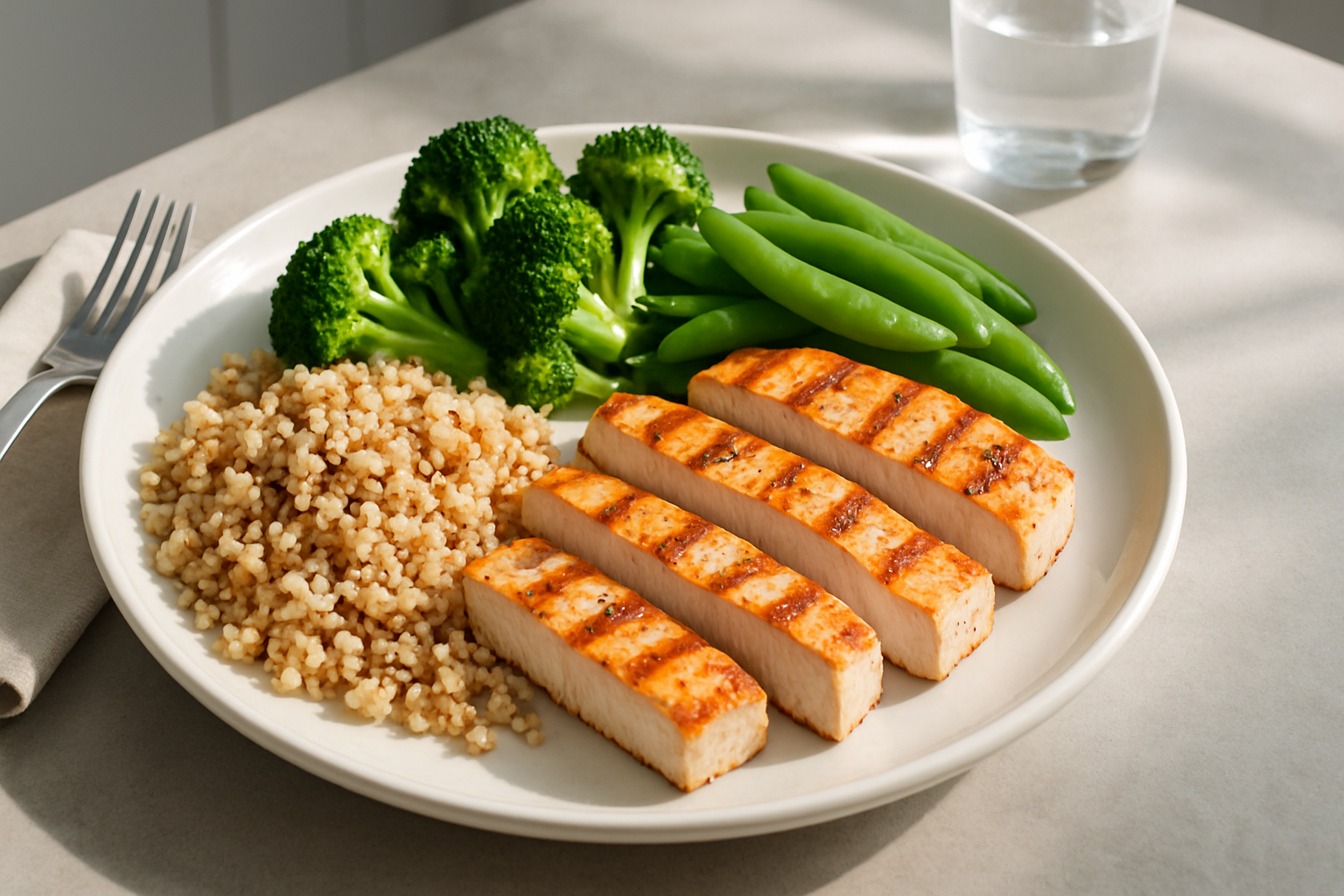
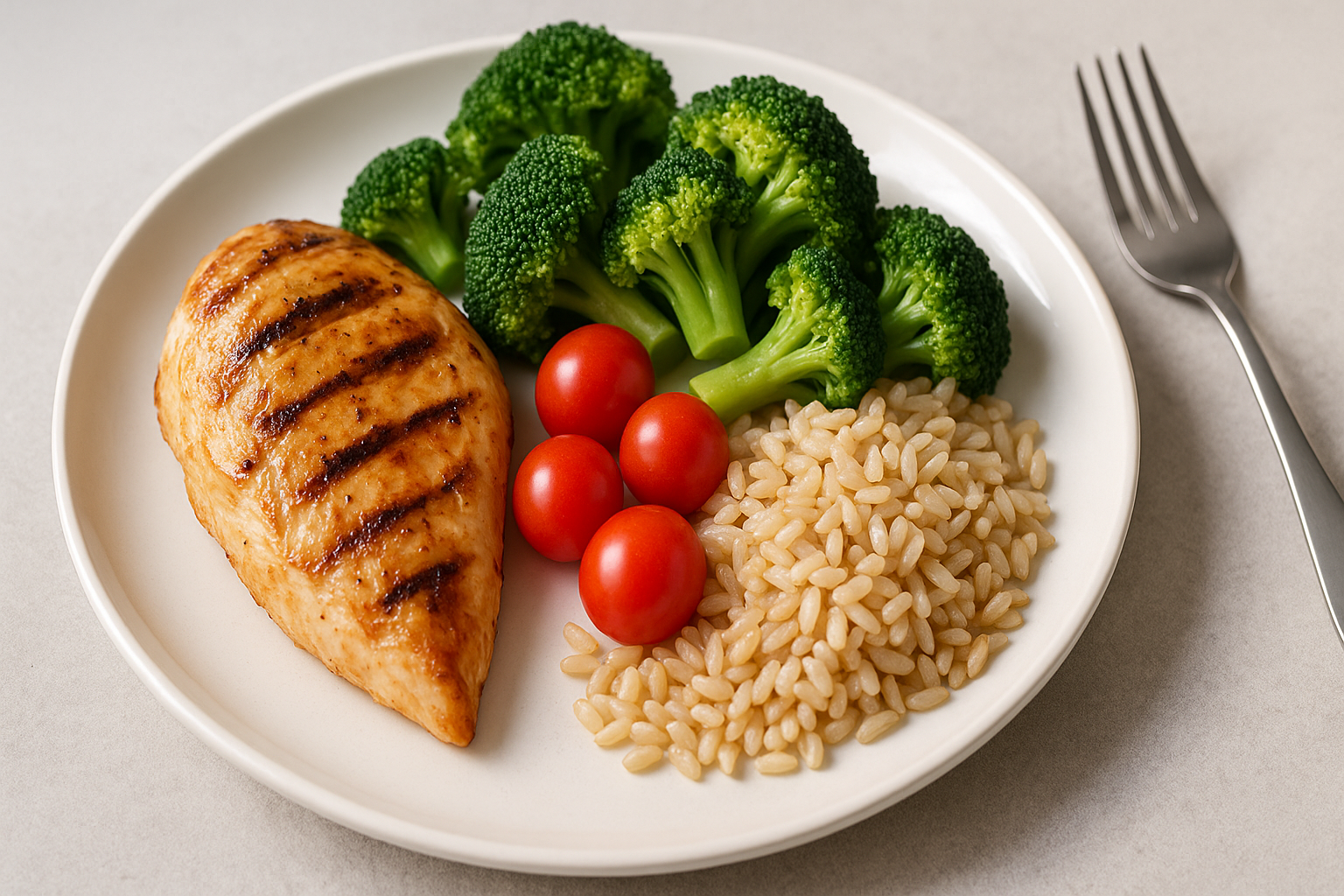
Constructing a balanced diet plan involves more than just calculating macros. Consideration must be given to the quality of the food sources and meal timing. Prioritize whole foods like lean meats, whole grains, vegetables, and fruits to ensure your body gets the necessary micronutrients.
Meal Prepping Techniques
Meal prepping is a powerful strategy that helps in sticking to your dietary goals. By preparing meals in advance, you can control portion sizes and resist the temptation of impulsive eating. Typical methods involve batch cooking proteins like chicken breasts or tofu, which can be mixed into various dishes throughout the week.
Sustainable Fat Loss Tips
Moderation Over Deprivation
Sustainable dieting emphasizes moderation rather than deprivation. Allow yourself the flexibility to enjoy occasional treats to prevent feelings of restriction that often lead to binge eating.
Incorporating Physical Activity
Physical activity is an indispensable part of any fat loss strategy. It enhances the effectiveness of your diet plan by increasing your calorie expenditure. Aim for a balanced mix of cardiovascular exercises, strength training, and flexibility work.
Avoiding Common Dieting Mistakes
Overemphasizing Quick Fixes
The allure of rapid weight loss solutions can be strong, yet these often prove unsustainable. Fad diets or extreme calorie restriction can lead to muscle loss and metabolic slowdown, which are counterproductive to lasting weight management.
Neglecting Hydration and Sleep
Hydration and rest are pivotal to any successful diet plan. Water supports metabolic processes, while quality sleep regulates hunger hormones. Strive for at least 7-8 hours of sleep per night and adequate daily water intake, tailored to your activity level and environment.
Conclusion: Your Path to a Healthier Lifestyle
Building a healthy diet plan requires an understanding of nutritional science, realistic goal-setting, and commitment to holistic well-being. By calculating your macros, planning meals effectively, and implementing sustainable fat loss strategies, you’re setting yourself up for long-term success. Remember, the journey to health is personal and unique for everyone, so tailor these guidelines to fit your lifestyle.
FAQ
How often should I recalculate my macros?
Your macro needs may change over time due to shifts in weight, muscle mass, or activity levels. It’s advisable to reassess them every 3-6 months or after achieving your primary fitness goals.
Can I achieve fat loss and gain muscle simultaneously?
While challenging, it is possible to achieve both goals with strategic eating and exercise. Focus on high protein intake, strength training, and slight caloric deficits to favor muscle retention while losing fat.
What are some practical meal prep tips for beginners?
Start small by prepping for a few days at a time. Choose versatile ingredients that can be mixed and matched, such as grains like quinoa or brown rice, a variety of vegetables, and protein sources adaptable to different cuisines.
Why are cheat days or refeed days important in a diet plan?
Cheat days or refeed days can prevent dietary fatigue, replenish glycogen stores, and boost metabolism. However, they should be planned carefully to avoid unwanted weight gain.
For more resources on sustainable dieting, visit our Comprehensive Guides and Fat Loss Tips sections.



Deixe um comentário