Mastering the 80/20 Rule: Your Guide to Flexible Dieting and Long-Term Consistency
If you’ve ever found yourself struggling to stick to a rigid diet, you’re not alone. Many people falter under the pressure of strict nutritional guidelines, tipping the balance from a healthy diet plan to an unsustainable routine. However, the 80/20 Rule in flexible dieting offers a practical solution, promoting nutritional balance that supports fat loss and other health goals. This article unveils the art of leveraging the 80/20 Rule to maintain a positive relationship with food and sustain long-term dietary success.
- Understanding the 80/20 Rule
- Applying Flexible Dieting
- Calculating Your Macros
- Fat Loss Tips with the 80/20 Rule
- Staying Consistent Long-Term
- FAQ
Understanding the 80/20 Rule
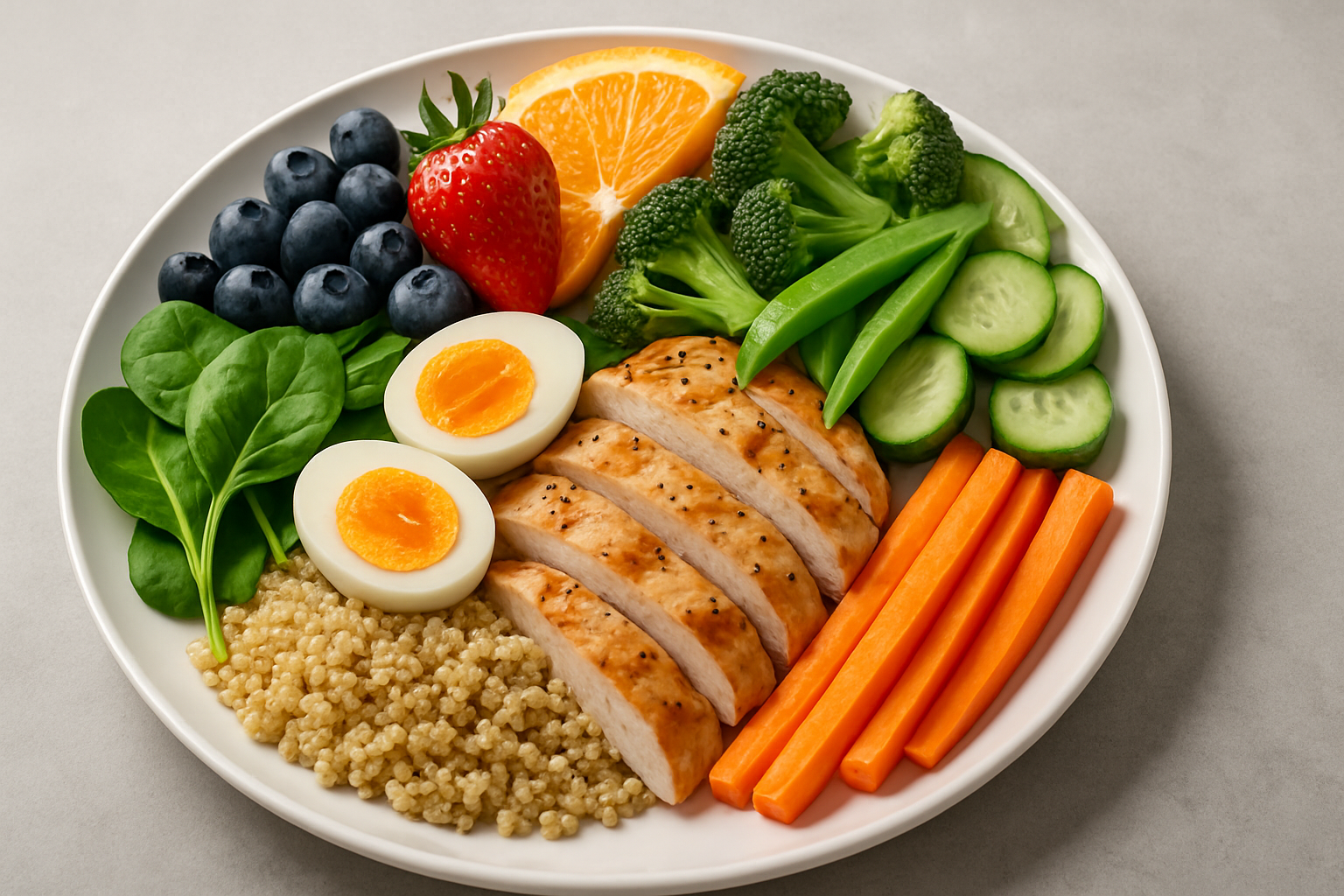
The 80/20 Rule, also known as the Pareto Principle, applies to dieting by encouraging 80% of your daily intake to come from nutritious foods, while the remaining 20% can accommodate personal indulgences. This approach provides flexibility, reducing feelings of deprivation and the likelihood of binge eating.
This principle is grounded in practicality. By focusing primarily on nutrient-dense foods, you equip your body with essential vitamins and minerals necessary for optimal health. However, allowing room for treats prevents feelings of restriction, often a cause of diet failure.
Applying Flexible Dieting
Flexible dieting, often termed ‘If It Fits Your Macros’ (IIFYM), complements the 80/20 Rule by focusing on macro-based nutrient targets rather than specific food restrictions. The key is awareness: knowing your caloric needs, macronutrient profiles, and how they fit within your dietary structure.
Principles of Flexible Dieting
- Balance: Ensure a mix of proteins, carbohydrates, and fats to match your daily goals.
- Variety: Diversify your intake of fruits, vegetables, grains, and proteins.
- Mindfulness: Remain aware of portion sizes and meal timing.
One critical aspect is understanding that flexibility doesn’t equate to unhealthy bingeing. Instead, it’s about inclusion without overindulgence, offering you the freedom to enjoy your meals without guilt.
Creating Your Plan
Start by assessing your daily caloric requirements based on factors like age, gender, weight, and activity level. Once these are calculated, adjust your 80/20 ratio to ensure your primary energy needs come from wholesome foods.
Calculating Your Macros
To embrace flexible dieting effectively, calculating your macronutrient (macro) needs is essential. Macronutrients include carbohydrates, proteins, and fats, each serving a vital role in bodily functions and energy supply.
Steps to Calculate Macros
- Determine Total Caloric Needs: Use online calculators to establish baseline calories per your goals (maintenance, weight loss, or gain).
- Set Macro Ratios: Typical ratios might include 40% carbohydrates, 30% protein, and 30% fats, but you can adjust these based on personal and health goals.
- Monitor and Adjust: Begin tracking these macros using apps like MyFitnessPal, making necessary adjustments based on progress and feedback.
Example of Macro Calculation
Consider John, a 28-year-old male aiming to maintain his weight with a 2,500 calorie diet:
| Nutrient | Calories | Grams |
|---|---|---|
| Carbohydrates (50%) | 1250 | 312.5g |
| Protein (30%) | 750 | 187.5g |
| Fats (20%) | 500 | 55.5g |
Why It Matters
By aligning your intake with your body’s nutritional needs, you optimize health and energy levels, supporting everything from muscle repair to mental clarity.
Fat Loss Tips with the 80/20 Rule
For many, an overarching goal of employing the 80/20 Rule is weight loss or maintenance. Achieving this requires a combination of caloric control and nutrient density.
- Prioritize Protein: Protein is essential in preserving lean muscle whilst losing fat. Incorporating lean meats, legumes, and dairy ensures adequate intake.
- Hydration is Key: Drinking sufficient water supports metabolism and satiety, minimizing unnecessary snacking.
- Mindful Eating: Slow, conscious eating enhances digestive efficiency and helps control portions naturally.
The success of these tips lies in self-accountability and routine, allowing room for modifications as progress occurs.
Staying Consistent Long-Term
The core of any lasting health endeavor lies in consistency. The 80/20 Rule provides a framework for sustained healthy habits without feelings of restriction.
Strategies for Staying Consistent
- Plan Ahead: Meal prepping and planning mitigate spontaneous unhealthy choices.
- Track Progress: Regularly reviewing dietary habits aids in maintaining motivation and adapting as necessary.
- Community Support: Engaging with groups that share similar goals or challenges fosters encouragement and accountability.
Remember, flexibility doesn’t mean neglect. When consistency wanes, reflect on your successes and iterate on strategies to renew your commitment.
FAQ
How can I implement the 80/20 Rule on a budget?
Shopping smart is key. Opt for bulk purchases of staples like rice, oats, and beans, which offer a high nutrient-to-cost ratio. Planning weekly meals around sales ensures that even nutrient-dense options remain affordable.
Does the 80/20 Rule apply to exercise?
Yes! Like dieting, striking a balance in exercise is beneficial. Allocate 80% of your workouts to structured plans and 20% to activities you enjoy recreationally, promoting variety without burnout.
Is flexible dieting suitable for diabetics?
While flexible dieting allows for indulgence, diabetic individuals must be cautious and consult with healthcare providers. Balancing glucose intake is crucial, and personalization ensures health goals aren’t compromised.
Are flexible dieting and the 80/20 Rule the same thing?
While both encourage flexibility, they’re not interchangeable. The 80/20 Rule is a guiding principle of balance, whereas flexible dieting prescribes how that balance should be nutritionally quantified.
Can I achieve muscle gain with the 80/20 Rule?
Certainly! Applying the 80/20 framework allows for adequate nutrient intake pivotal for muscle growth. Ensure your macronutrient mix supports increased protein and calorie needs.
Conclusion
Adopting the 80/20 Rule in flexible dieting allows you to fulfill dietary goals without excessive restrictions, fostering sustainable health and well-being. By maintaining a critical focus on nutrition with the flexibility of indulgence, individuals can pave a successful long-term path, highlighting health and satisfaction. Integrate these strategies today and witness transformative benefits unfold.



Deixe um comentário