Demystifying Macros: Roles of Protein, Carbohydrates, and Fats in Muscle Preservation and Fat Loss
Understanding macros, or macronutrients, is essential for crafting a balanced diet that supports both muscle preservation and fat loss. This article will explore how protein, carbohydrates, and fats each play unique roles in achieving these goals. Whether you’re looking to build a healthy diet plan or seeking expert fat loss tips, this guide will help you tailor a diet strategy to your needs.
- Role of Protein in Muscle Preservation and Fat Loss
- Role of Carbohydrates in Muscle Preservation and Fat Loss
- Role of Fats in Muscle Preservation and Fat Loss
- How to Calculate Your Macros
- FAQs
- Conclusion
Role of Protein in Muscle Preservation and Fat Loss
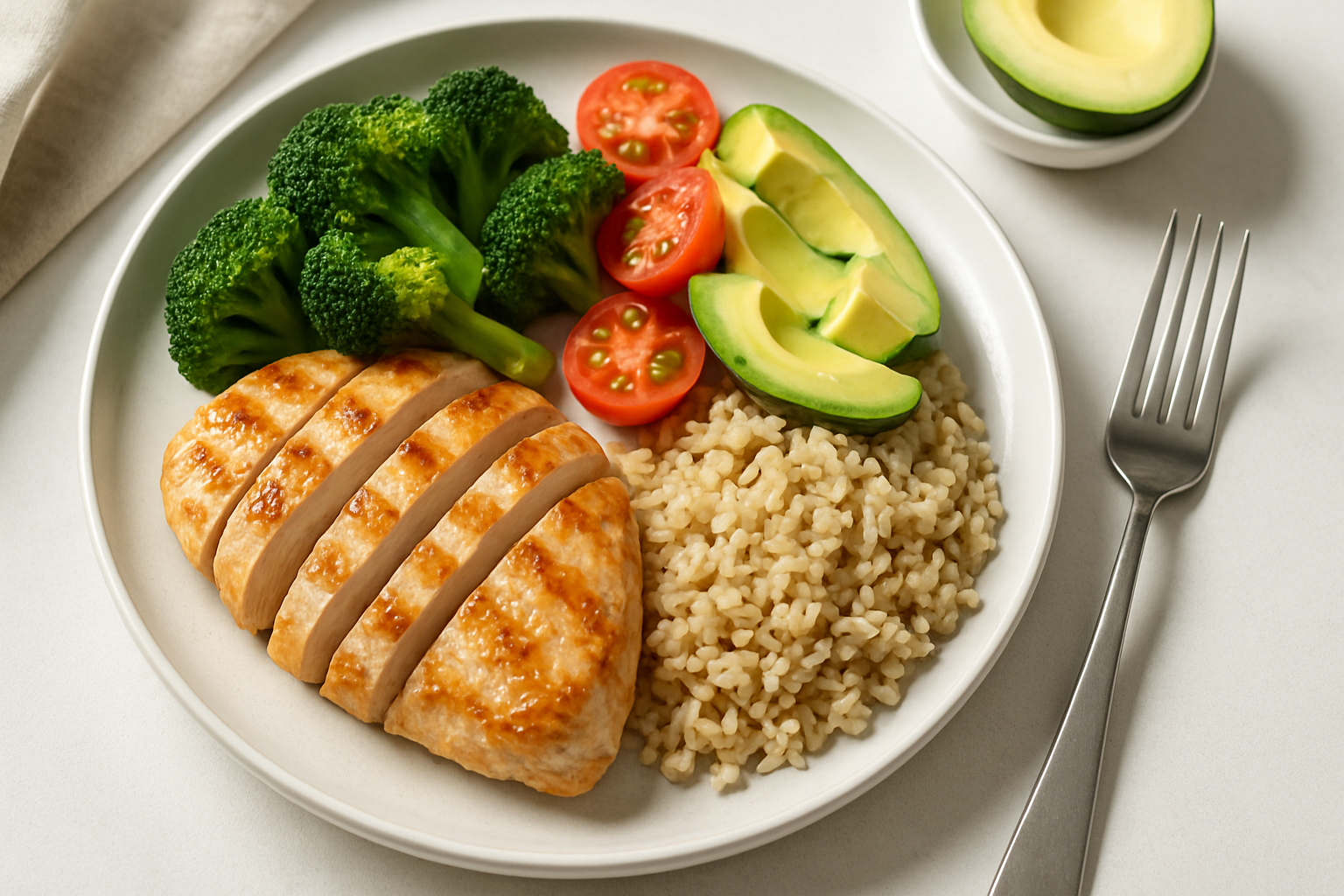
Protein is often hailed as the powerhouse nutrient for muscle growth and recovery. It’s composed of amino acids, which are the building blocks our muscles need for growth and repair. Whether you’re an athlete or just starting your fitness journey, it’s important to understand the vital role protein plays.
Why Protein Matters
Protein not only aids in building muscle but also plays a critical role in muscle preservation during fat loss. When you’re in a caloric deficit, your body can turn to muscle tissue as an energy source, leading to muscle loss. Adequate protein intake helps mitigate this by providing your body with the necessary amino acids to maintain muscle mass.
Real-Life Example
Consider a client I worked with recently: Jane, a 35-year-old who was struggling to lose fat while maintaining muscle. We adjusted her diet plan to include a pre- and post-workout protein shake, which helped her achieve her fitness goals within just a few months.
Role of Carbohydrates in Muscle Preservation and Fat Loss
Carbohydrates often get a bad rap when it comes to fat loss, but they are indispensable for energizing workouts and supporting recovery.
The Importance of Carbs
Carbohydrates replenish glycogen stores, which could be the key to sustaining your workout intensity. Low glycogen levels often lead to fatigue and decrease your performance, ultimately impacting muscle preservation. For most individuals, a balance of carbohydrates in their diet can actually speed up fat loss by enabling more effective training sessions.
Expert Insights
According to a recent study by the Journal of Nutrition (2025), diets with 45-65% carbohydrates can still support fat loss and muscle preservation. This range allows individuals to fine-tune their diet for both performance and aesthetics.
Role of Fats in Muscle Preservation and Fat Loss
Fats have long been misunderstood, often being unfairly implicated in weight gain. However, healthy fats are crucial for hormonal balance, which is essential for both muscle maintenance and fat loss.
Why Your Body Needs Fat
Fats aid in the absorption of certain vitamins and contribute to hormone regulation. Hormones like testosterone and estrogen directly affect muscle growth and fat distribution. A diet too low in fat can lead to hormonal imbalances, hampering both muscle preservation and fat loss.
How to Calculate Your Macros
Now that we understand the roles of protein, carbs, and fats, how do we calculate the right amounts for our goals? Calculating macros can seem daunting, but with the right approach, it becomes straightforward.
Step-by-Step Guide
- Determine your calorie needs: Use a Total Daily Energy Expenditure (TDEE) calculator to estimate how many calories you need per day based on your activity level.
- Set your protein goal: As a standard, aim for 1.6 to 2.2 grams of protein per kilogram of body weight.
- Assign fat intake: Ensure that 20-35% of your daily calories come from healthy fats.
- Calculate carbohydrate needs: Use the remaining calories for carbohydrates. This ensures you have enough energy for optimal performance.
| Macronutrient | Recommended Percentage |
|---|---|
| Protein | 15-25% |
| Carbohydrates | 45-65% |
| Fats | 20-35% |
Macro calculator tools available online can further ease this process by providing more customized figures based on individual goals.
Practical Considerations
Be prepared to adjust these ratios over time. Listening to your body’s signals and tracking your progress is key in finding the perfect balance for muscle preservation and fat loss.
FAQs
What are the best protein sources for muscle preservation?
Lean meats like chicken, turkey, and fish are excellent sources. For vegetarians, options like lentils and tempeh, along with protein powders, can help in meeting protein needs.
How many carbs should I eat for muscle maintenance?
The amount of carbs varies. However, starting with 3-5 grams per kilogram of body weight can serve as a basis for many fitness enthusiasts.
Why are fats important if I’m trying to lose weight?
Healthy fats are critical for regulating hormones and maintaining mental clarity, both of which play a role in a successful fat loss journey.
Is it possible to lose weight while building muscle?
Yes, with the proper macro balance and training routine, it’s feasible to achieve both goals simultaneously, though it may require more precise adjustments and patience.
How often should I recalculate my macros?
Consider recalculating every 4-6 weeks or when there are significant changes in your activity level or fitness goals.
Conclusion
Understanding the roles of protein, carbohydrates, and fats can greatly enhance your muscle preservation and fat loss efforts. By calculating and adjusting your macros appropriately, you can develop a sustainable diet that aligns with your personal health objectives. Remember, the ultimate goal is not just to calculate macros but to integrate them into a lifestyle that is both enjoyable and results-driven.
Author Note: As a seasoned nutrition coach, I’ve helped countless individuals tailor their macro plans to successfully achieve their health and fitness goals. By focusing on these fundamentals, anyone can navigate the journey of muscle preservation and fat loss with confidence.



Deixe um comentário