Embarking on a weight loss journey often feels overwhelming, but with a sustainable diet plan and the right knowledge, achieving your goals becomes not only possible but enjoyable. This article dives into effective strategies for sustainable dieting, guiding you on calculating macros and offering proven fat loss tips.
- Why Sustainable Dieting Matters
- Understanding Macros: Proteins, Carbs, and Fats
- Developing a Healthy Diet Plan
- Top Fat Loss Tips for Lasting Results
- Common Mistakes and How to Avoid Them
- FAQs About Sustainable Dieting
Why Sustainable Dieting Matters
Today, many are eager for quick results and often resort to crash diets. Yet, the truth is lasting weight loss comes from a lifestyle shift. Sustainable dieting isn’t just about cutting calories; it’s about fostering a healthier relationship with food that balances enjoyment and nutrition.
In my experience as a certified sports nutritionist, sustainable dieting involves understanding how to nourish the body efficiently. It’s about finding joy in a diet that fuels your energy, supports fitness goals, and promotes long-term well-being.
Understanding Macros: Proteins, Carbs, and Fats
What Are Macros?
Macros, or macronutrients, are the cornerstone of any diet. They encompass three main nutrients: proteins, carbohydrates, and fats. Each plays a unique role in maintaining bodily functions, with specific caloric values:
| Macronutrient | Calories per Gram | Role in Diet |
|---|---|---|
| Protein | 4 | Builds and repairs tissues |
| Carbohydrates | 4 | Primary energy source |
| Fats | 9 | Supports cell function and energy storage |
Calculating Your Macros
To tailor a diet that meets your goals, it’s crucial to calculate your macros accurately. Here’s how you can do it:
- Determine your daily caloric needs using a trusted calorie calculator—consider factors like age, sex, weight, height, and activity level.
- Set your macro ratios. Typically, a balanced diet might consist of 40% carbs, 30% protein, and 30% fat, but adjust these based on your specific goals.
- Convert these percentages into grams using the caloric values noted above.
For athletes or those engaging in heavy exercise, protein needs might increase, whereas endurance athletes might benefit from a higher carbohydrate intake.
Developing a Healthy Diet Plan
Setting Realistic Goals
Pursuing weight loss is rewarding when approached with realistic expectations. Instead of aiming for rapid results, focus on losing 1-2 pounds per week. This pace is generally safe and sustainable for most individuals.
Meal Planning Tips
To build an effective diet plan:
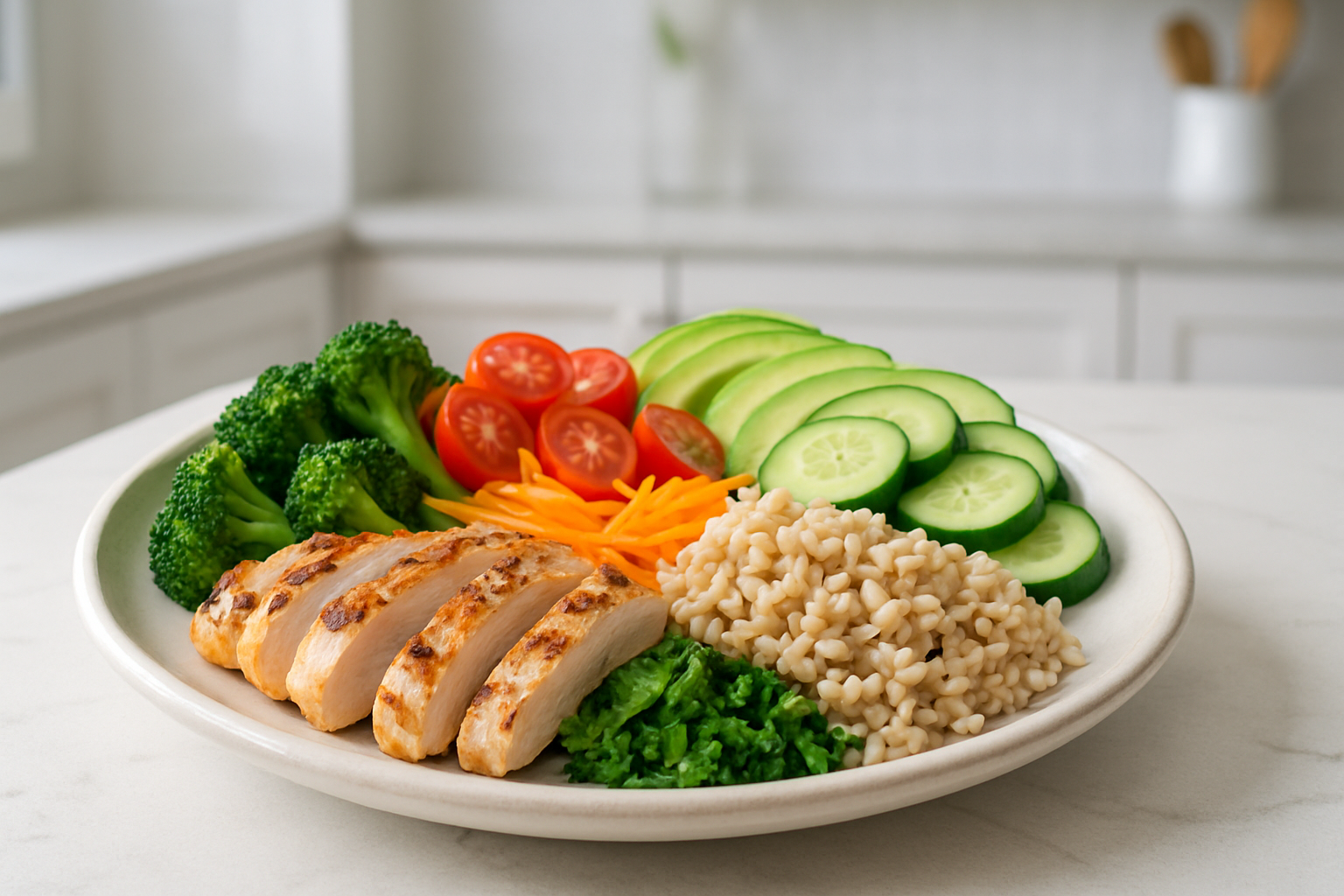
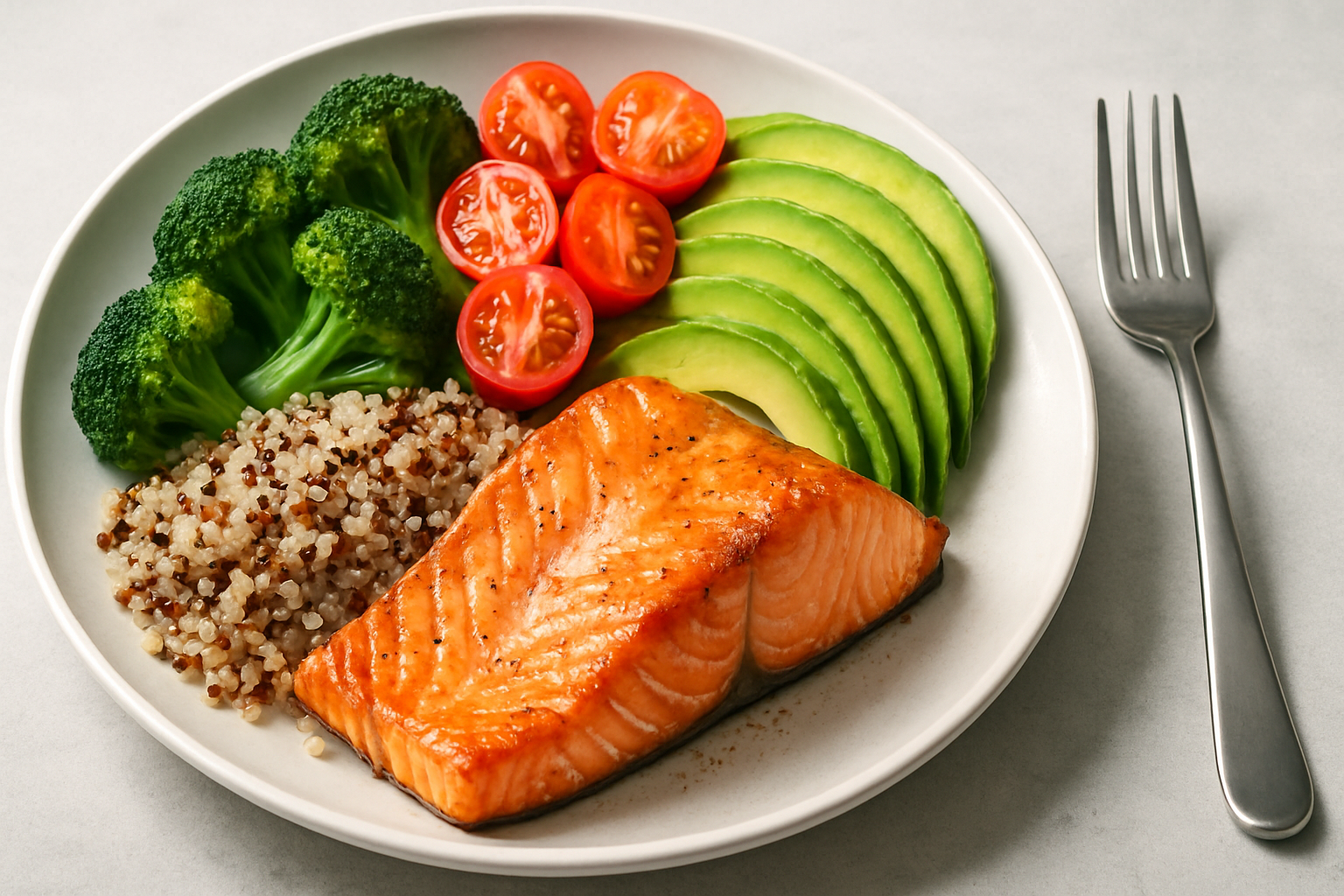
- Diversify Your Diet: Incorporate a wide range of vegetables, lean proteins, and whole grains.
- Mindful Eating: Recognize hunger cues and enjoy meals by minimizing distractions.
- Schedule Regular Meals: Maintain consistent meal times to regulate your metabolism.
Utilizing these strategies ensures your meals remain balanced and satisfying.
Top Fat Loss Tips for Lasting Results
Stay Active
While nutrition is crucial, combining it with physical activity accelerates fat loss. Whether it’s weight training or daily walks, find an exercise routine that you enjoy.
Prioritize Sleep
Don’t underestimate the power of sleep. Quality rest supports metabolism and helps control the hormones that influence hunger.
Hydration Is Key
Water aids in digestion and can curb unnecessary hunger. Aim for at least 8 cups a day, adjusting per activity levels and climate.
Common Mistakes and How to Avoid Them
Over-restricting Caloric Intake
Many dieters fall into the trap of eating too little. This not only harms your metabolism but can also lead to nutritional deficiencies.
Neglecting Micronutrients
While focusing on macros, don’t overlook vitamins and minerals. These play integral roles in bodily functions and help optimize performance.
Ignoring Professional Advice
Consulting with professionals can offer personalized guidance. Experts can help tailor your plan to better fit your life and goals.
FAQs About Sustainable Dieting
What is the best way to start a healthy diet plan?
Begin by setting specific, measurable goals. Identify food preferences, calculate your daily needs, and plan meals accordingly to ensure nutritional completeness.
How can I calculate my macros without professional help?
Use online calculators for a general guide, but consult resources like ChooseMyPlate for detailed dietary recommendations tailored to individual physiology.
Is it necessary to count calories for weight loss?
While counting calories helps some monitor intake, focusing solely on quality food choices and listening to your body can also facilitate a healthy weight loss.
Can I indulge in treats while dieting sustainably?
Yes, allow for occasional indulgences. Balancing occasional treats with healthy meals avoids feelings of deprivation and supports long-term adherence.
Author’s Note: As a certified sports nutritionist, my approach revolves around making health a lifestyle, not a temporary goal. Through years of working with clients, I’ve seen firsthand the transformative power of sustainable eating habits. For more detailed guidance, explore our other articles on nutrition and fitness at stronglifes.com.



Deixe um comentário