Introduction
Many aspiring fitness enthusiasts hesitate to fully commit to a fat loss journey because it often entails cutting out beloved foods. The good news? With the right approach, you can achieve your weight loss and muscle definition goals while enjoying your favorite meals. This article delves into sustainable dieting practices, the fundamentals of calculating macros, and practical fat loss tips.
- Understanding Macros
- Sustainable Dieting Without Sacrifice
- Creating Your Diet Plan
- Common Pitfalls and Solutions
- FAQ
- Conclusion
Understanding Macros
To efficiently lose weight, it’s crucial to understand macronutrients—proteins, carbohydrates, and fats. They fuel our bodies, each playing a unique role in body function and composition.
What Are Macronutrients?
Macronutrients are the nutrients required in larger amounts that provide energy. Here’s a breakdown:
- Proteins: They are essential for building and repairing tissues. Found in meats, beans, and nuts, they should form about 10-35% of your daily caloric intake.
- Carbohydrates: The body’s primary energy source, they should account for 45-65% of your daily calories. Whole grains, fruits, and vegetables are excellent sources.
- Fats: Necessary for vitally important functions like hormone production. Healthy fats should make up 20-35% of your diet.
Calculating Your Macros
To design a personalized diet, calculate your macros based on your total daily energy expenditure (TDEE). Online calculators can simplify this process, but understanding how these numbers reflect your specific needs is crucial.
Key Takeaway: Balancing your macro intake aligns your diet with your lifestyle and activity levels, optimizing fat loss.
Sustainable Dieting Without Sacrifice
Dieting sustainably means losing weight in a way that is healthy, manageable, and maintainable over time. Here’s how:
Flexibility Is Key
By adopting a flexible dieting mindset, you acknowledge that no food is entirely off-limits. This approach focuses on moderation, making it possible to enjoy treats like ice cream or pizza within your macros.
Meal Planning
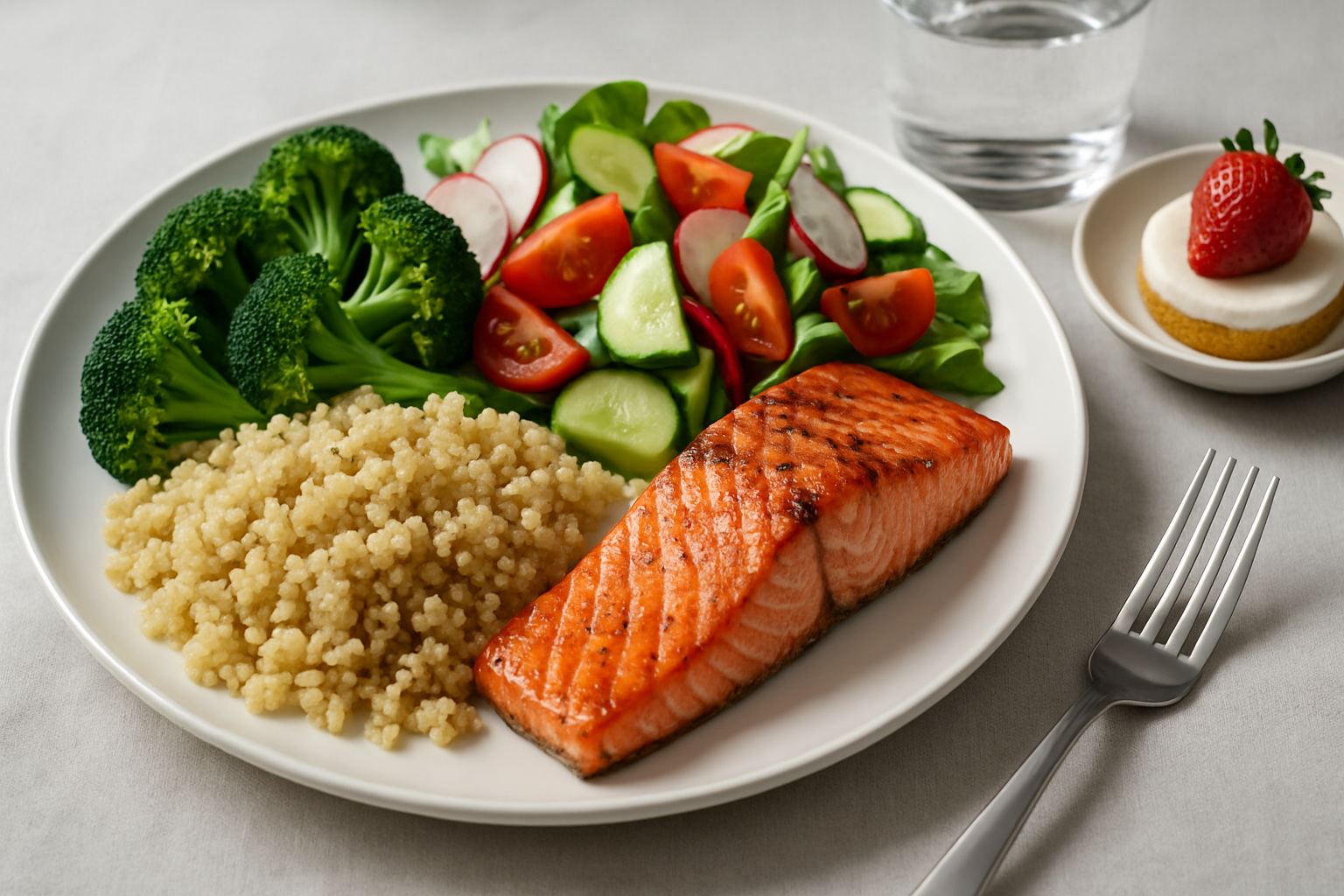
Start by planning meals around your macro needs. Focus on whole foods but allow room for your favorites. An example week could look like this:
| Meal | Macronutrient Focus | Example Food |
|---|---|---|
| Breakfast | Proteins/Carbs | Oatmeal with Greek Yogurt |
| Lunch | Carbs/Proteins | Quinoa Salad with Grilled Chicken |
| Dinner | Fats/Proteins | Baked Salmon with Avocado |
Creating Your Diet Plan
Steps to Create a Personalized Plan
- Assess Your Goals: What is your target weight or definition level? Define these clearly.
- Calculate Your Macros: Use a TDEE calculator. Align this calculation with your specific fitness goals.
- Plan Meals: Structure meals to fit your macros while focusing on whole, nutritious options that include your favorite foods.
Example Diet Plan
For someone needing 2,000 calories per day:
- Proteins: 100g (400 calories)
- Carbohydrates: 150g (600 calories)
- Fats: 90g (900 calories)
Remember, slight variations may occur from day to day, and that’s okay.
Common Pitfalls and Solutions
Overcoming Food Guilt
Feeling guilty after indulging can derail your progress. Remember, it’s about balance, not perfection. Use indulgences as a chance to learn about your body’s reactions and adjust accordingly.
Stalled Progress
If you hit a plateau, reassess your macro needs and workout routine. It might be time for a slight diet adjustment or an increase in workout intensity.
Lack of Motivation
Stay motivated by setting small, achievable goals. Celebrate each milestone, and don’t hesitate to adjust your methods according to evolving needs.
FAQ
What is the best way to balance macros?
The best way is to personalize macro ratios based on individual goals, activity levels, and body composition. Tools like online calculators provide a good start, but adjustments might be needed as you progress.
Can I include cheat meals in my diet?
Yes, cheat meals can fit into your diet as long as they are planned and fit within your overall weekly macro and calorie goal. Consider them a tool to enhance enjoyment without jeopardizing progress.
How often should I recalculate my macros?
Consider recalculating whenever you experience a plateau or after reaching a significant fitness goal. Even modest changes in activity levels or weight can influence your macro needs.
Is it necessary to track every single meal?
Initially, tracking can offer valuable insight into your food habits. Over time, you’ll gain a better understanding of your dietary patterns, decreasing the necessity for meticulous tracking.
Conclusion
Practicing sustainable dieting doesn’t mean giving up your favorite foods; it’s all about balance and understanding your body’s nutritional needs. By calculating macros accurately, planning with flexibility, and recognizing common dieting pitfalls, you can enjoy the journey to being shredded without unnecessary sacrifices. For more practical guidance, check out our article on advanced weight loss strategies and workout plans for beginners. Happy eating, and remember, it’s not just a diet—it’s a lifestyle.
Author Note: As a certified nutritionist with over a decade in the industry, I’ve helped countless individuals reach their body composition goals in a balanced, enjoyable manner. Let’s redefine dieting together.



Deixe um comentário