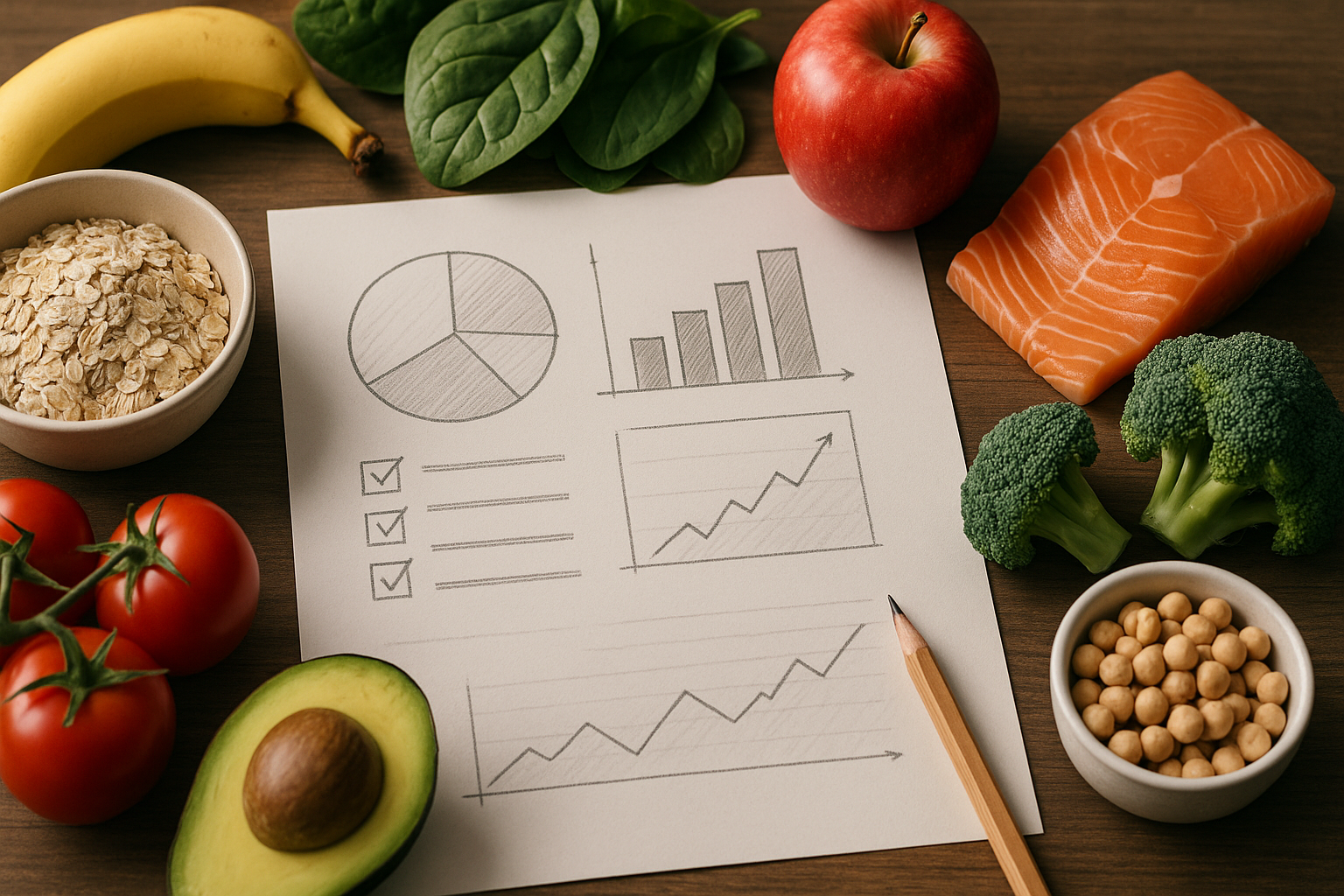
Creating a healthy diet plan requires more than just counting calories. It involves understanding the balance of macronutrients, employing effective fat loss tips, and focusing on sustainable dieting principles. This article provides an in-depth guide to crafting a diet plan that supports your health and weight loss goals.
- Understanding Macronutrients
- Calculating Your Macros
- Effective Fat Loss Tips
- Principles of Sustainable Dieting
- FAQ
Understanding Macronutrients
To embark on a successful healthy diet plan, it’s essential to understand macronutrients—proteins, carbohydrates, and fats. These components make up the bulk of your diet and each plays a crucial role:
- Proteins: Essential for muscle repair, metabolic function, and satiety. Sources include chicken, fish, beans, and lentils.
- Carbohydrates: Provide energy. Focus on complex carbs like grains, fruits, and vegetables.
- Fats: Support hormone production and nutrient absorption. Choose healthy fats like avocados, nuts, and olive oil.
Balancing these macronutrients based on your body’s needs and fitness goals is the foundation of a healthy diet.
Calculating Your Macros
The process of calculating macros involves determining what ratio of proteins, carbohydrates, and fats your body requires. This ratio can be customized based on age, gender, weight, activity level, and specific goals. Here’s a basic formula to start:
- Determine Caloric Needs: Use an online calorie calculator to establish your daily needs based on basal metabolic rate (BMR).
- Set Your Macro Ratio: Common ratios for fat loss might be 40% protein, 30% carbs, and 30% fat. Adjust based on personal goals and dietary preferences.
- Convert Percent to Grams: Multiply your caloric intake by the macro percentages, then divide by calories per gram (protein and carbs: 4, fat: 9).
| Macro | Ratio | Calories | Grams |
|---|---|---|---|
| Protein | 40% | 800 | 200 |
| Carbs | 30% | 600 | 150 |
| Fat | 30% | 600 | 66 |
This calculation gives you a blueprint for what to eat each day to reach your specific objectives.
Effective Fat Loss Tips
Losing fat while maintaining a healthy lifestyle can be challenging. Below are some actionable tips for efficient fat loss:
1. Prioritize Protein
High-protein diets have been shown to enhance fat loss while preserving muscle mass. Make sure to incorporate protein in every meal.
2. Opt for Whole Foods
Eating whole foods ensures that you consume maximum nutrients and fiber, which helps control hunger and promotes weight loss.
3. Strength Training
Muscle burns more calories at rest, so including strength training in your routine can significantly impact your fat loss journey.
Principles of Sustainable Dieting
Sustainability in dieting means you can follow your plan long-term without feelings of deprivation. Key principles include:
- Flexible Dieting: Allow yourself some indulgences while primarily sticking to nutritious foods.
- Mindful Eating: Tune into hunger cues and avoid eating out of boredom or emotions.
- Realistic Goals: Set achievable goals that focus on long-term health rather than quick fixes.
By embracing these principles, you’ll develop a healthy relationship with food and make lasting changes.
FAQ
How can I customize a diet plan for myself?
Start by calculating your daily caloric needs and macronutrient ratios based on your activity level and goals. Tailor these recommendations by considering food preferences and any dietary restrictions.
What role do supplements play in a healthy diet plan?
Supplements can fill nutritional gaps but should not replace whole foods. Focus on getting nutrients from your diet, using supplements as an additional support only if necessary.
How does one stay motivated during a dieting phase?
Set clear, realistic goals and track your progress. Join a supportive community or involve a friend in your journey to help stay motivated.
Why is sustainable dieting important?
Sustainable dieting is vital as it promotes a balanced lifestyle, reduces the risk of yo-yo dieting, and leads to long-term weight management and health benefits.
Author Note: With over a decade of experience in nutritional consulting and a keen interest in sustainable health practices, I’ve helped numerous individuals achieve their wellness goals through personalized diet planning.Read more about sustainable health on our blog.



Deixe um comentário