
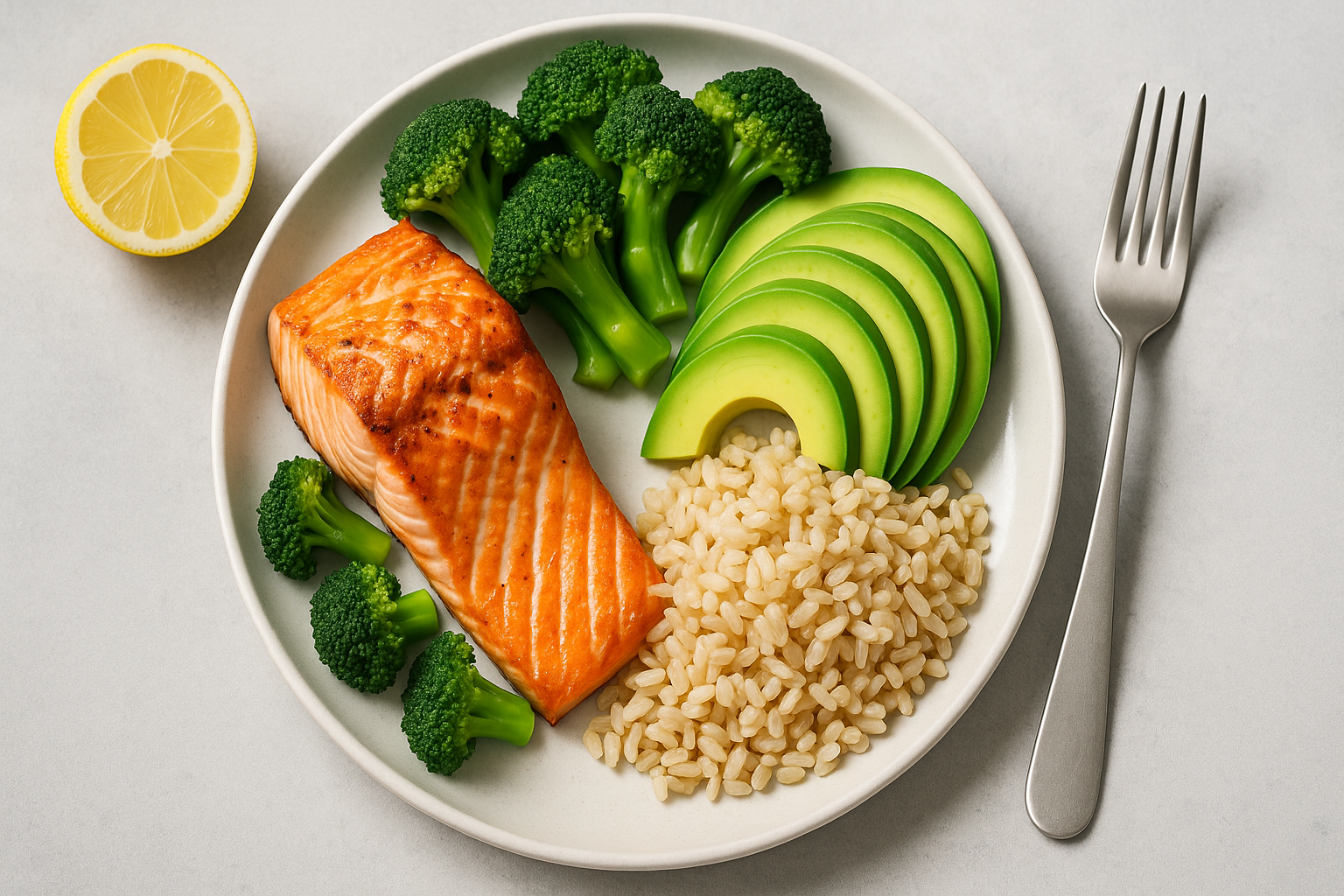
Struggling to shed those extra pounds but tired of feeling hungry all the time? Discovering how to calculate and track your macros might be the game-changer you’ve been looking for. This guide breaks down the process of managing macronutrients to achieve sustainable fat loss, without the starvation or strict diets usually associated with weight loss. Whether you’re just starting or have been on this journey for a while, this approach offers a balanced method to maintain energy levels and support metabolism effectively.
- Introduction
- Understanding Macros and Their Role
- How to Calculate Your Macros
- Effective Macros Tracking Methods
- Common Mistakes and How to Avoid Them
- FAQs about Macro Tracking
- Conclusion
Introduction
When embarking on a fat loss journey, many fall into the trap of extreme dieting, believing that cutting calories drastically is the only solution. However, this can lead to nutrient deficiencies, fatigue, and eventually, an unsustainable lifestyle. By focusing on the macronutrients — proteins, carbohydrates, and fats — you can develop a healthier relationship with food, leading to more sustainable results.
This strategy emphasizes meal planning and nutrient balance, allowing your body to access stored fat efficiently while maintaining muscle mass and energy levels. Let’s delve into how understanding your macros can be your ultimate solution to healthy weight management.
Understanding Macros and Their Role
Macronutrients, or macros, are the nutrients your body needs in large amounts to function properly: proteins, fats, and carbohydrates. Each plays a crucial role in how our body operates:
- Proteins: Essential for building and repairing muscles, proteins are vital for maintaining lean body mass especially when in a caloric deficit.
- Fats: While often misunderstood, fats are crucial for hormone production, brain health, and energy delivery.
- Carbohydrates: The body’s primary energy source, helping power everything from your brain to physical workouts.
When trying to lose weight, understanding the right balance for these macros can be more effective than simple calorie counting. Recent studies suggest that macro tracking supports fat loss by optimizing body composition, proving beneficial for long-term sustainability (source).
How to Calculate Your Macros
Calculating your macros depends on several factors, including age, weight, height, sex, and activity level. Here’s a step-by-step guide:
- Determine your BMR: Use an online Basal Metabolic Rate calculator to establish the number of calories your body needs at rest.
- Calculate Activity Level: Multiply your BMR by an activity factor to account for your daily physical activities.
- Set Your Goals: Decide whether you want to maintain, lose, or gain weight. For fat loss, reduce daily intake by 250-500 calories.
- Determine Macro Ratios: A common ratio for fat loss is 40% carbohydrates, 30% proteins, and 30% fats, though this can be adjusted based on personal preferences and body response.
Benefits of Calculating Macros
By calculating macros, not only do you cater to your energy needs, but also ensure that your diet contains adequate nutrients for body functions and muscle preservation. It provides a better framework than general dieting, encouraging self-awareness and thoughtful eating habits.
Effective Macros Tracking Methods
Once your macro goals are established, tracking them becomes crucial. Here are popular methods:
- Food Journals: Writing down everything you consume helps keep you accountable. Handwritten journals can work, but digital apps like MyFitnessPal ease the process by doing the math for you.
- Food Scale: As with any dietary regime focused on precision, a food scale helps ensure portion sizes are accurate.
- Meal Prepping: Planning and cooking your meals ahead minimizes the temptation of deviating from your macro plan.
What I Learned from Tracking Macros
From personal observation and client feedback, I’ve noted that consistency trumps perfection. Slight deviations from macro targets are natural and shouldn’t derail progress as long as you stay generally on track. This flexibility supports long-term adherence.
Common Mistakes and How to Avoid Them
While macro tracking is insightful, it can be tricky. Here’s how to avoid common pitfalls:
- Neglecting Fiber and Micronutrients: Focusing solely on macros might cause you to overlook vegetables and whole grains essential for overall health.
- Overcomplicating Foods: Stick to simple recipes and ingredients, especially when starting out to avoid feeling overwhelmed.
- Being Too Rigid: Allow occasional leeway. An overly strict regime can lead to burnout and could undo progress.
FAQs about Macro Tracking
What if my weight loss stalls?
Plateaus are normal. When they appear, reassess your macro balance and ensure your activity level aligns with your intake. Consider adjusting your macros slightly to kickstart progress.
Do I need to track macros forever?
Not necessarily. Many individuals learn portion control and proper food choices over time, transitioning to an intuitive approach once they gain confidence. Keep macro tracking as an educational tool.
How precise do I need to be?
While precision is helpful, remember flexibility is key to sustainability. Focus on overall trends instead of minute daily fluctuations for long-term success.
How can I maintain motivation?
Set short-term goals alongside your main targets. Visualize progress through before-and-after photos, measurements, or even notes on how you feel physically and mentally.
Conclusion
Calculating and tracking your macros can revolutionize your approach to dieting, offering a balanced path to fat loss without deprivation. This method fosters a deeper understanding of nutrition, promoting sustainable habits that extend beyond the diet phase. Embrace the process, and you’ll discover a renewed, healthier relationship with food.
For further insights on maintaining a healthy lifestyle, explore our article on setting realistic fitness goals.




Deixe um comentário