
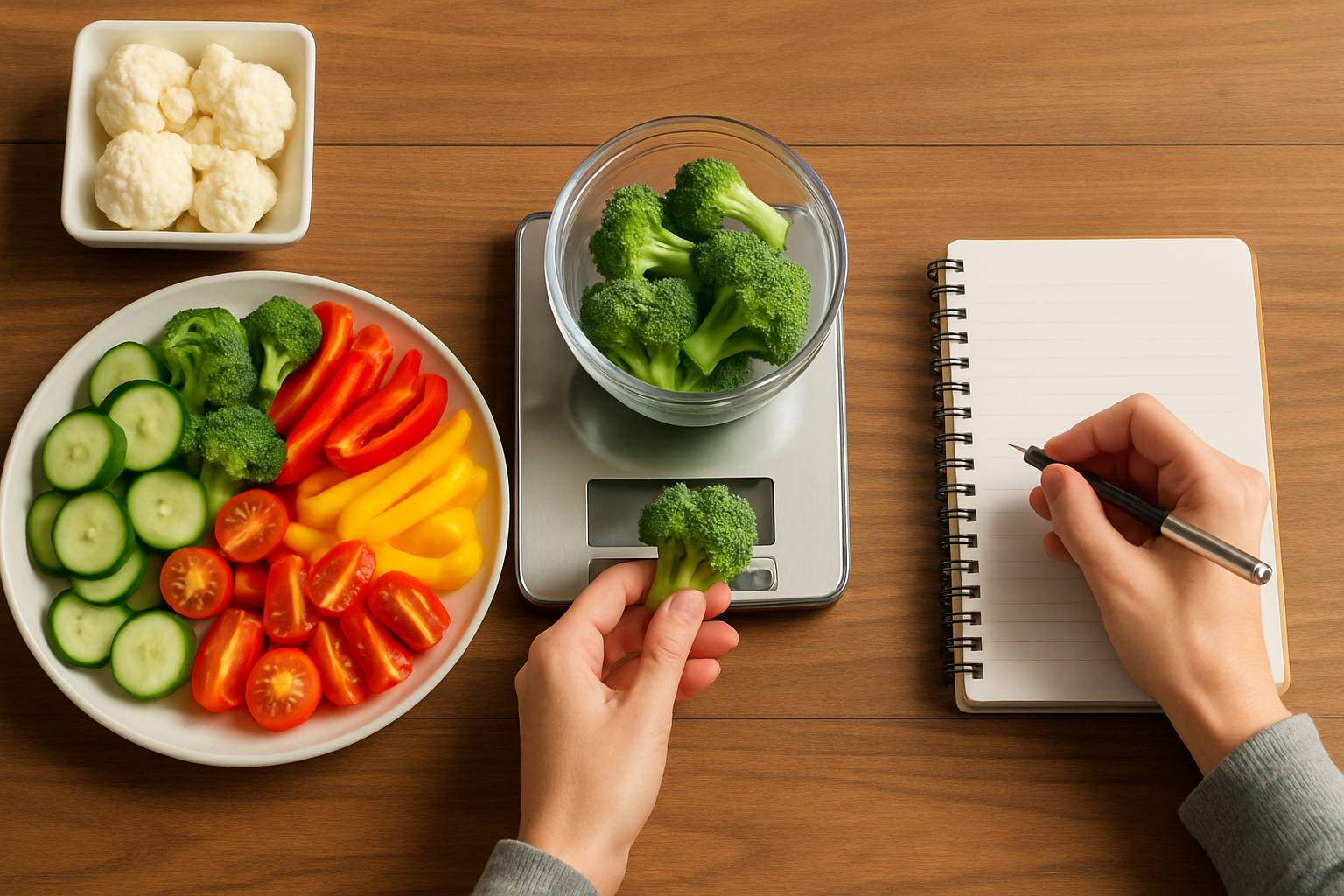
Creating a Sustainable Diet Plan: Calculate Macros for Fat Loss
For many, achieving and maintaining an ideal weight can seem elusive. The key often lies in a balanced and sustainable approach to eating—one that allows you to enjoy your food while steadily progressing towards your goals. Learning how to calculate your macros can be a significant step in crafting a personalized healthy diet plan tailored to your lifestyle and objectives.
In this guide, we’ll explore how to calculate macros effectively, integrate fat loss tips into your routine, and build a diet plan that supports long-term health benefits.
- Why Calculate Macros?
- Step-by-Step Guide to Calculating Macros
- Top Fat Loss Tips Using Macros
- Sustainable Meal Planning
- Common Mistakes to Avoid
- FAQs
Why Calculate Macros?
Macros, short for macronutrients, include the three fundamental components of your diet: carbohydrates, proteins, and fats. Understanding how to balance these nutrients is crucial as they each play unique roles in your body’s functioning. Calculating macros allows individuals to tailor their dietary choices to support their health and fitness goals, from muscle gain to fat loss.
Consider the experience of Sarah, a working mother of two. By focusing on calculating her macros, she tailored her diet to her personal energy needs, shedding excess weight without feeling deprived. It’s a process that emphasizes quality over quantity, focusing on nourishing the body rather than fixating on calorie count alone.
Step-by-Step Guide to Calculating Macros
1. Determine Caloric Needs
To begin calculating your macros, you first need to estimate your total daily energy expenditure (TDEE), which takes into account your basal metabolic rate (BMR) and activity levels. You can use various online calculators or consult with a nutritionist.
2. Set Your Macro Ratios
The ideal macro ratio can differ significantly depending on individual goals. Here’s a general guideline:
| Goal | Protein | Fat | Carbohydrates |
|---|---|---|---|
| Fat Loss | 30-35% | 25-30% | 35-45% |
| Muscle Gain | 25-30% | 20-25% | 45-55% |
3. Calculate Macro Amounts
Use your total caloric intake to calculate grams of each macronutrient:
- Calories from protein: Total calories × (percentage in decimal form) ÷ 4
- Calories from carb: Total calories × (percentage in decimal form) ÷ 4
- Calories from fat: Total calories × (percentage in decimal form) ÷ 9
Remember, these are guidelines. It’s essential to adjust your macros based on how your body responds.
Top Fat Loss Tips Using Macros
Once you’ve grasped the foundation of macros, incorporate these fat loss strategies to optimize your results.
Prioritize Protein
Protein is crucial for muscle retention during fat loss and can help manage hunger by boosting satiety. Opt for lean sources like chicken, fish, and plant-based proteins if you’re vegan.
Hydrate Wisely
Water aids metabolic processes and can help you feel full. Aim for at least eight 8-ounce glasses per day, more if you’re active or living in a warmer climate.
Mindful Eating Practices
Adopt mindful eating by tuning into your hunger signals and savoring each meal, which can prevent overeating. Consider trying intermittent fasting, which some find beneficial for lowering calorie intake without deliberate restriction.
Sustainable Meal Planning
Building a sustainable meal plan involves regular reassessment of your macros in conjunction with seasonal food availability and personal preferences. This adaptability helps maintain consistency without feeling tied to a rigid diet.
Seasonal Eating
Opt for produce that’s in season, reducing cost and maximizing flavor and nutrition. For example, summer brings fresh berries and leafy greens, while winter offers nutrient-dense squashes.
Batch Cooking and Portioning
Prepare meals in bulk to save time and ensure macro compliance. Store distinct portions in containers to grab and go, which is beneficial for busy schedules.
Common Mistakes to Avoid
There are several pitfalls when calculating macros and managing a diet plan. Avoid these common errors to enhance the efficacy of your efforts.
Neglecting Fiber
Fiber is not a macronutrient, but it’s essential for digestion and satiety. Make sure to include plenty of fruits, vegetables, and whole grains in your meal plan.
Overrestricting Calories
It’s vital to avoid overly restrictive caloric deficits, which can lead to muscle loss, metabolic slowdown, and long-term adherence problems. Anchoring your diet in sustainability yields better results.
FAQs
What are macronutrients?
Macronutrients are nutrients that provide calories or energy, such as carbohydrates, proteins, and fats. They are essential for growth, metabolism, and other bodily functions.
How do I know if my macros need adjustment?
If you stall in your progress—whether in fat loss or muscle gain—consider reviewing your macro distribution and total caloric intake. Our bodies change, and so should our diet plans.
Can calculating macros help if I don’t exercise?
Yes, knowing your macros can still be beneficial for managing your weight, energy levels, and overall health, even if you’re not engaging in structured exercise.
Are macro calculations suitable for everyone?
Most individuals can benefit, but pregnant women, children, or those with medical conditions should seek professional advice to ensure nutritional needs are met.
Crafting a diet plan that respects both fashion and practicality requires education and patience. By focusing on macros and embracing a sustainable approach, you’ll equip yourself with the tools necessary for lasting health and fitness success.
Your insights and experiences are invaluable to many. Whether you’re just beginning or fine-tuning your plan, remember that creating a supportive community can enhance motivation and enjoyment at Strong Lifes. Let’s journey together toward healthier living!



Deixe um comentário