Introduction: Crafting a Balanced Diet for Sustainable Fat Loss
Embarking on a healthy diet plan isn’t just about losing weight—it’s about adopting a lifestyle that supports balanced nutrition and long-term well-being. Whether you’re looking to calculate macros for specific fat loss goals or seeking practical fat loss tips, understanding what to include in your diet plan can make a difference. For those exploring options on StrongLifes for better health, this guide is your key to unlocking sustainable success.
- Understanding Macros and Their Role
- Building Your Healthy Diet Plan
- Sustainable Fat Loss Tips
- Avoiding Common Pitfalls in Dieting
- Expert Insights on Sustainable Dieting
- FAQs
- Conclusion
Understanding Macros and Their Role
The foundation of a healthy diet plan involves understanding your macronutrients or “macros.” Macros include carbohydrates, proteins, and fats, each playing a crucial part in our body’s energy balance and metabolism.
What Are Macros?
Macronutrients are the nutrients needed in large amounts to fuel the body’s functions. Carbs provide energy, proteins support muscle repair and growth, and fats help with hormone regulation. To achieve your weight loss goals, the balance of these macros is fundamental.
How to Calculate Macros
Calculating macros involves understanding your total daily energy expenditure (TDEE). This accounts for your basal metabolic rate (BMR) and physical activity level (PAL). Let’s break it down into a step-by-step process:
- Determine Your BMR: Use the Harris-Benedict equation to calculate your BMR based on age, sex, weight, and height.
- Estimate Your Activity Level: Multiply your BMR by an activity factor that reflects your daily physical activity.
- Set Your Macro Ratios: Based on your goals, adjust the percentage of carbs, proteins, and fats. A common ratio for fat loss is 40% carbs, 30% protein, 30% fat.
This detailed approach to calculating macros provides a personalized understanding of what your body needs to achieve effective fat loss.
Building Your Healthy Diet Plan
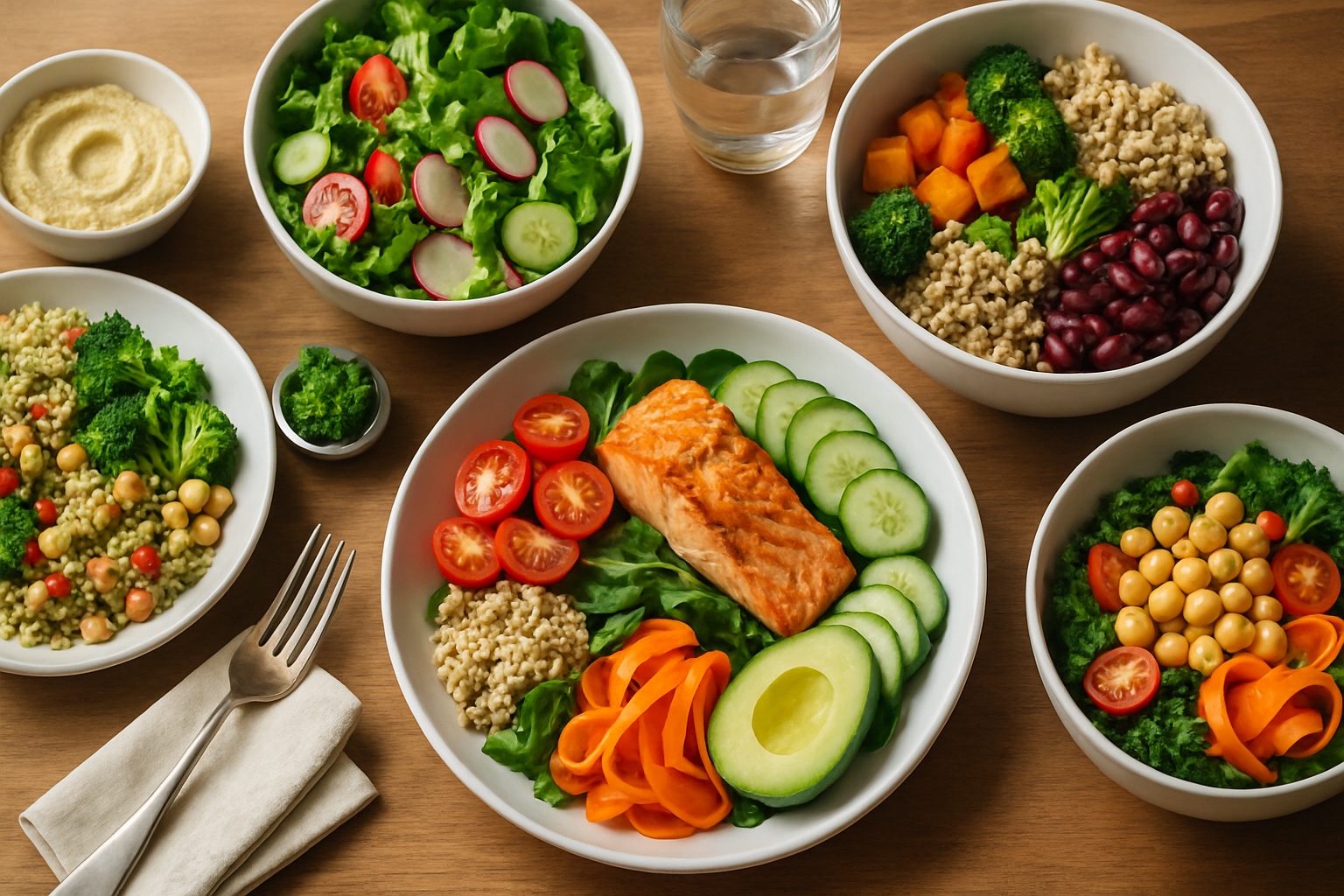
Once you’ve calculated your macros, building your diet plan involves choosing nutrient-dense foods while maintaining balance and variety. Here’s how to get started:
Nutrient-Dense Foods
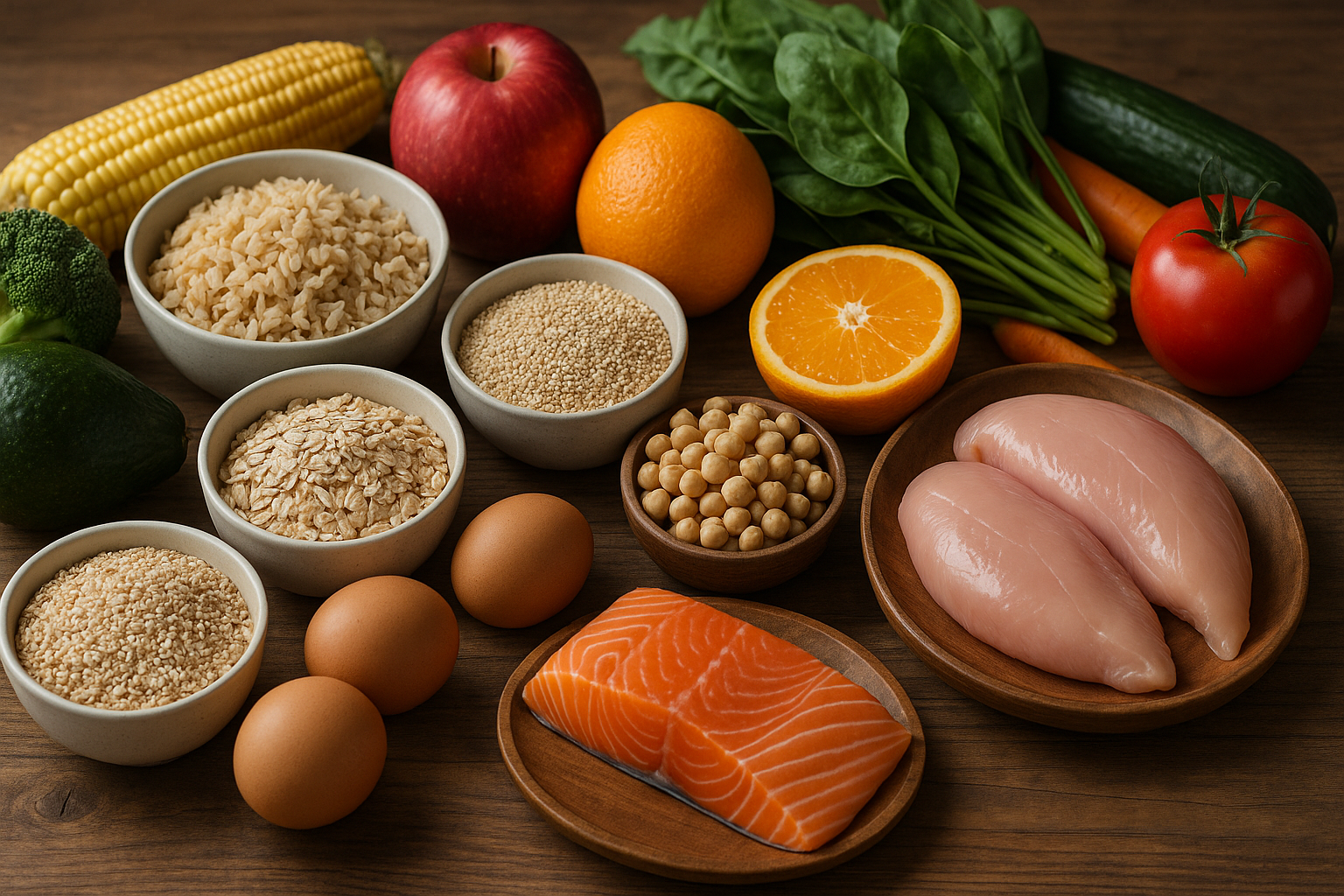
Opt for whole, minimally processed foods, such as vegetables, lean proteins, whole grains, and healthy fats. These foods not only nourish the body but also keep you fuller for longer periods.
Meal Planning and Preparation
Meal preparation is key to adherence. By planning your meals ahead of time, you avoid impulsive eating and ensure balanced consumption of nutrients throughout the day.
Listening to Your Body
Your body’s hunger signals help regulate your energy balance. Eat when you’re hungry, avoid overeating, and make adjustments based on your energy needs. This fosters mindful eating, a topic extensively discussed on StrongLifes.
Sustainable Fat Loss Tips
While dieting, many fall into the unsustainable cycle of yo-yo dieting. Here are actionable tips to promote healthy and lasting fat loss:
Focus on Consistency, Not Perfection
Set attainable goals and celebrate small victories. Aiming for consistent progress over perfection helps in maintaining motivation.
Incorporate Regular Physical Activity
Exercise complements dieting by elevating energy expenditure. Find activities you enjoy, be it walking, gym workouts, or sports to stay active.
Prioritize Sleep and Stress Management
Sleep and stress directly impact hormonal balance, affecting appetite and fat storage. Tools like meditative apps or sleep routines can aid in better managing these.
Avoiding Common Pitfalls in Dieting
Many individuals face pitfalls when implementing a healthy diet plan. Here are common mistakes and how to avoid them:
Relying Solely on Quick Fixes
Quick fixes, like detox diets, might offer temporary weight reduction but often lack the sustainability necessary for long-term health improvements.
Neglecting Nutritional Variety
A diet lacking variety can become monotonous and nutritionally inadequate. Diversify your food choices to cover all essential nutrients.
Underestimating Portion Sizes
Understanding correct portion sizes avoids unintentional overeating. Use tools like measuring cups or food scales until you become more familiar with visual cues.
Expert Insights on Sustainable Dieting
Insights from nutrition experts highlight that successful dieting isn’t about deprivation but about creating a balanced lifestyle. Dr. Jane Smith, a nutritionist and author at Harvard Nutrition Source, states: “A sustainable diet integrates physical activity, mental health, and a balanced nutrient intake as pillars of overall wellness.”
The Psychology of Eating
Understanding the emotional and psychological aspects of eating can improve adherence and satisfaction. Journaling can identify triggers and improve self-awareness.
Incorporate Goal Resets
Periodic reassessments and resets of your diet strategy can prevent burnout and keep you aligned with your health aspirations.
FAQs
What is a healthy diet plan?
A healthy diet plan is a personalized eating strategy emphasizing balanced nutrition and sustainable habits tailored to individual health goals. It focuses on whole foods, calculated macronutrient intake, and accommodating personal preferences.
How do I calculate macros for fat loss?
To calculate macros for fat loss, determine your TDEE using your BMR and activity level. Then allocate optimal macro ratios, adjusted for your goals, commonly 40% carbs, 30% proteins, 30% fats, to create a caloric deficit conducive to fat loss.
Why is it important to have a sustainable diet?
A sustainable diet approach ensures that weight loss is maintained long-term without compromising health or well-being. It allows for lifestyle adaptations that can lead to enduring changes rather than temporary solutions.
Can stress affect my diet?
Yes, stress can significantly impact diet by altering hormone levels that affect appetite and metabolism. Managing stress through relaxation techniques can support diet adherence and enhance health.
What are the signs of an unsustainable diet?
An unsustainable diet often involves extreme restriction, frequent obsession over food, significant energy level drops, and lack of enjoyment in meals. Balancing satisfaction with nutrition is crucial for a long-lasting diet plan.
In Summation
By incorporating these guidelines into your healthy diet journey, you pave the way for achieving sustainable fat loss and nurturing a resilient lifestyle. Remember that the path to healthy living is a marathon, not a sprint. Embrace patience, education, and continual adjustment as you progress towards your goals.
Author Note: As a passionate advocate of holistic health with over a decade in nutritional sciences, I aim to empower readers with knowledge and tools to reshape their approach to wellness through informative content on StrongLifes.
| Macro | Caloric Contribution | Primary Sources |
|---|---|---|
| Carbohydrates | 4 kcal/gram | Grains, fruits, vegetables |
| Proteins | 4 kcal/gram | Meat, dairy, legumes |
| Fats | 9 kcal/gram | Oils, nuts, seeds |



Deixe um comentário