
The Ultimate Guide to Hypertrophy: How to Build Muscle and Sculpt Your Physique Efficiently
Building muscle and sculpting a perfectly balanced physique is a goal shared by many fitness enthusiasts. Understanding hypertrophy, the scientific process of muscle building, can significantly enhance your gym results. In this guide, we will explore how you can efficiently build muscle through well-planned routines and nutrition.
- Introduction to Hypertrophy
- The Science Behind Muscle Growth
- Designing an Effective Gym Routine
- Nutrition for Muscle Hypertrophy
- Common Pitfalls and How to Avoid Them
- FAQ
- Conclusion
Introduction to Hypertrophy
Hypertrophy is the enlargement of an organ or tissue from the increase in the size of its cells. In the context of fitness, it refers to the growth of muscle cells. Achieving hypertrophy requires a consistent workout regimen and optimized nutrition. Not only will you add muscle mass, but you’ll also enhance your strength and metabolic health.
The Benefits of Hypertrophy
Muscle hypertrophy leads to numerous benefits such as improved metabolism, better athletic performance, and increased durability of the body. These benefits stem from increased muscle size and enhanced muscular coordination.
Who Can Benefit?
While hypertrophy is often associated with bodybuilders, it benefits anyone looking to improve their physique. Beginners, athletes, or casual gym-goers can apply hypertrophy principles to improve both form and function.
The Science Behind Muscle Growth
Understanding the biology of muscle growth can demystify the process of building mass. Muscle growth, or hypertrophy, involves cellular changes at a microscopic level.
Muscle Fiber Types
Your muscles comprise different types of fibers that react uniquely to training. Primarily, there are type I (slow-twitch) and type II (fast-twitch) fibers. Fast-twitch fibers grow in size faster and are targeted more effectively in hypertrophy training.
How Muscles Grow
Muscle growth occurs when fibers are damaged during exercise, then repaired by the body, which reinforces them by fusing fibers together to form new, larger ones. This process requires sufficient stress and recovery.
| Session Type | Primary Focus | Best Protocol |
|---|---|---|
| Strength | Neuromuscular Adaptations | 4-6 reps |
| Hypertrophy | Muscle Growth | 8-12 reps |
| Endurance | Muscular Endurance | 12-20 reps |
Designing an Effective Gym Routine
Embarking on a hypertrophy-focused workout plan requires a balance of variety and intensity. A well-designed schedule can substantially impact your progress.
Key Principles of Gym Routines
- Progressive Overload: Gradually increasing the amount of weight you lift forces your muscles to adapt and grow.
- Volume and Frequency: Aim for a volume range of 10-20 sets per muscle group per week, training each muscle group 2-3 times a week.
- Recovery: Allow at least 48 hours of rest for the muscles worked to aid in optimal recovery and growth.
For beginners, it is crucial to adopt a routine that includes fundamental compound movements like squats, deadlifts, and presses. These exercises engage multiple muscle groups, enhancing overall strength and growth.
Explore more beginner workout plans for hypertrophy on our site.
Sample Workout Routine
Here’s a sample weekly workout plan focusing on hypertrophy:
- Day 1: Upper body strength (Bench press, Bent-over rows, Dumbbell shoulder press)
- Day 2: Lower body hypertrophy (Squats, Lunges, Leg curls)
- Day 3: Rest and recovery
- Day 4: Full body endurance (Circuit training)
- Day 5: Upper body hypertrophy (Incline press, Pull-ups, Lateral raises)
- Day 6: Lower body strength (Deadlifts, Leg press, Calf raises)
- Day 7: Rest and mindful recovery activities like yoga or light stretching
Nutrition for Muscle Hypertrophy
Nutritional strategies can complement your workout efforts and help realize your hypertrophy goals. A balanced diet tailored to promote muscle growth is essential.
Essential Macronutrients
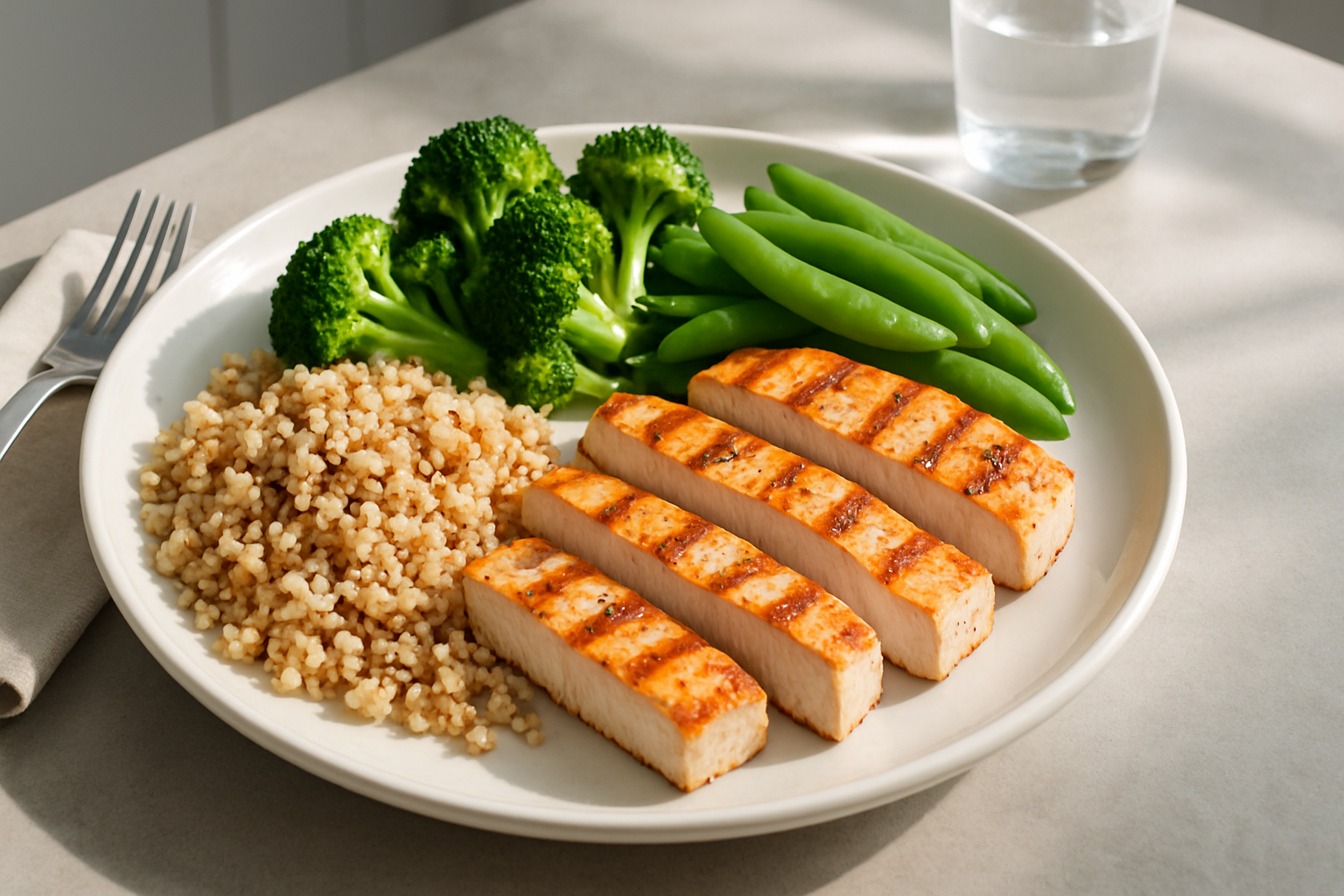
- Proteins: Aim for 1.6-2.2 grams of protein per kilogram of body weight per day. Focus on high-quality proteins like chicken, fish, eggs, and plant-based sources.
- Carbohydrates: Carbs are crucial for energy replenishment. Include whole grains, fruits, and vegetables for sustained energy.
- Fats: Healthy fats are important for hormone production and overall health. Include sources like avocados, nuts, and olive oil.
Explore detailed nutrition plans to boost muscle growth.
Effective Supplementation
While whole foods should be your primary source of nutrients, supplements can support your goals. Consider supplements like whey protein, creatine, or beta-alanine to boost performance and recovery. Always consult with a healthcare professional before starting any supplement regimen.
Common Pitfalls and How to Avoid Them
Commitment to hypertrophy can sometimes lead to overtraining or inadequate recovery, both hindering progress.
Avoiding Overtraining
Pay attention to your body’s signals. Persistent fatigue, decreased performance, or mood changes are indicators of needing more rest. Incorporate rest days and mindful activities to complement your routine.
Neglecting Flexibility
Flexibility and mobility exercises reduce the risk of injury and improve overall performance. Incorporate stretching or yoga sessions into your weekly schedule.
FAQ
How long does it take to see results from hypertrophy training?
Visible results may appear within 8-12 weeks for most individuals. Consistency in training and nutrition is key to witnessing tangible changes.
Can hypertrophy and strength be trained simultaneously?
Yes, both can be pursued simultaneously through a periodized training approach that balances reps and sets for hypertrophy and low-rep, high-weight sets for strength.
Should beginners focus on hypertrophy?
Beginners should initially focus on mastering proper form and technique. Once they have a strong foundation, incorporating hypertrophy-focused training can yield significant muscle growth.
Are supplements necessary for hypertrophy?
While not necessary, supplements can aid in achieving macro targets and recovery. However, they should not replace meals; whole foods provide a broader spectrum of nutrients.
What role does sleep play in hypertrophy?
Sleep is crucial for muscle recovery and growth, affecting overall athletic performance and hormonal balances. Aim for 7-9 hours of quality sleep each night.
Conclusion
Muscle hypertrophy is a complex yet achievable goal through strategic planning and disciplined execution of both workouts and nutrition. Whether you’re a beginner setting foot in the gym or a seasoned athlete refining your physique, understanding and applying these principles will guide you to success. Remember, consistency and adaptability are your greatest allies on this journey.
Discover more about the science of muscle building by reading our related articles on the site.



Deixe um comentário