The 80/20 Rule: Mastering Flexible Dieting for Long-Term Success
Many people embark on dieting with zeal, only to find themselves drifting off the path a few weeks later. If you’re looking for a sustainable approach that allows balance and enjoyment, flexible dieting via the 80/20 rule might be the answer. This article is for anyone wanting to understand healthy diet plans, calculate macros effectively, and implement fat loss tips that last.
- What is Flexible Dieting?
- Calculating Your Macros
- Implementing the 80/20 Rule
- Staying Consistent
- Common Mistakes to Avoid
- FAQ on Flexible Dieting
What is Flexible Dieting?
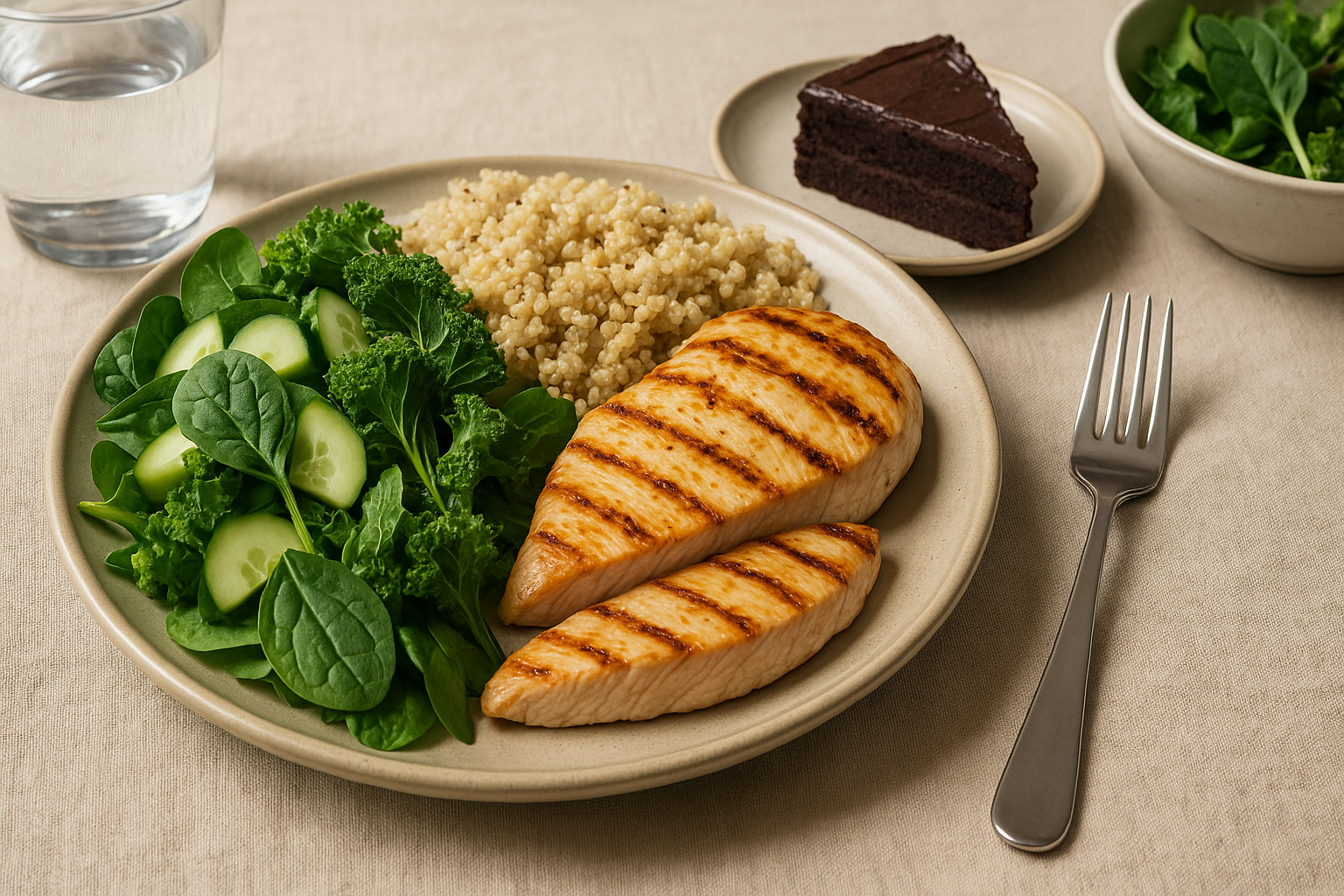
Flexible dieting is all about balance. Unlike traditional diets that might ban certain foods, this approach focuses on macronutrient tracking. You control your nutritional intake through proteins, carbohydrates, and fats while allowing for moderation. The secret lies in the 80/20 rule: eat nutrient-rich foods 80% of the time and enjoy your favorite treats the remaining 20%.
Why Flexible Dieting Matters
Many of us fall prey to the all-or-nothing mentality, which often leads to yo-yo dieting. Flexible dieting prevents this by integrating permanence through moderation. A National Institutes of Health study emphasizes how long-term sustainability is key to effective dieting.
A Personal Experience
When I first adopted flexible dieting, the freedom to indulge in chocolate without guilt was revolutionary. I learned the importance of macronutrient balance and discovered a newfound love for healthier meals.
Calculating Your Macros
Understanding how to calculate macros is pivotal in flexible dieting. Your macronutrient distribution should align with your fitness goals, lifestyle, and nutritional needs. Here is a breakdown of how you can start:
Steps to Calculate Macros
- Determine your Total Daily Energy Expenditure (TDEE) using an online calculator.
- Decide on a macronutrient ratio (40% carbs, 30% protein, 30% fats is a common starting point).
- Translate these percentages into grams per nutrient based on your caloric intake.
This formula allows you to strategically manage your diet while still incorporating diverse foods. For detailed guidance, check these Healthline recommendations.
Implementing the 80/20 Rule
The 80/20 rule isn’t merely a guideline; it’s a lifestyle shift. The goal is cultivating a mindset where you emphasize nutrition but allow flexibility for enjoyment.
Practical Application
Start by filling your grocery cart with 80% whole foods like vegetables, lean meats, and whole grains. Use the remaining 20% for indulgent items. This practice is effective in achieving sustainable dieting.
Example Day of Eating
| Meal | 80% Choices | 20% Choices |
|---|---|---|
| Breakfast | Oatmeal, Berries, Eggs | Chocolate Syrup |
| Lunch | Grilled Chicken, Quinoa, Broccoli | Sweetened Tea |
| Dinner | Salmon, Asparagus | Small Dessert |
Staying Consistent
Consistency outweighs perfection. Flexible dieting provides leeway for life’s unpredictability without derailing progress.
Practical Tips for Consistency
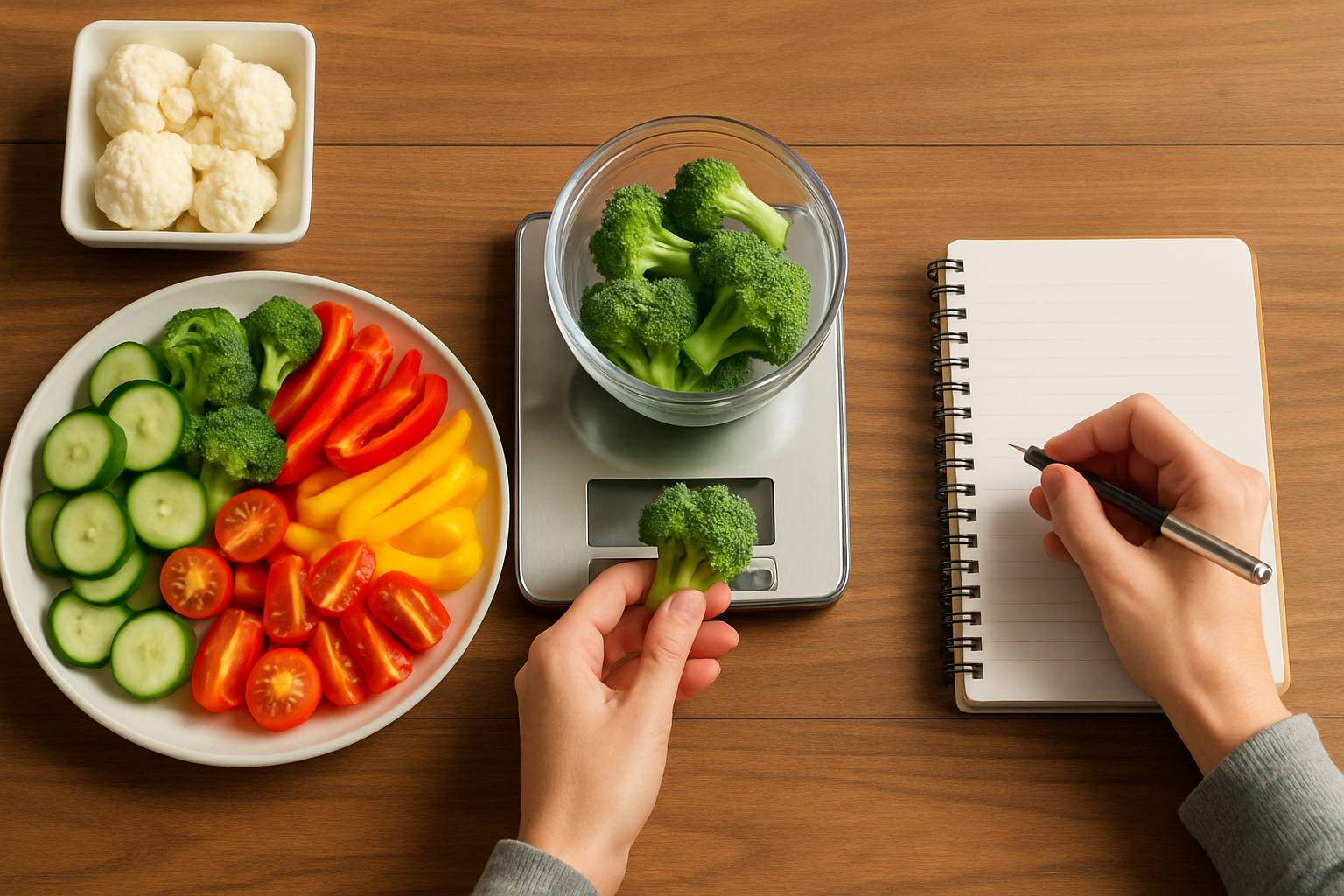
- Keep a food journal: Track your meals and emotions around eating.
- Set realistic goals: Focus on small, achievable targets that foster momentum.
- Prepare ahead: Meal prep your main meals but leave room for unexpected cravings.
Common Mistakes to Avoid
The path to flexible dieting isn’t error-free. Recognizing pitfalls ensures continued success.
Top Mistakes
- Overindulging in the 20%: Balance is key. Surpassing 20% regularly can impact your goals.
- Skipping breakfast: It’s tempting, but missing the first meal can throw off your macro balance.
- Ignoring micronutrients: Vitamins and minerals are equally important as macros in health.
FAQ on Flexible Dieting
How often can I indulge in non-diet foods?
The beauty of the 80/20 rule is its inherent flexibility. Social events or special occasions naturally fit into this 20%. Aim for once or twice a week to indulge without sidetracking progress.
Can I see results with this approach?
Yes, the balance between discipline and flexibility not only facilitates fat loss but supports muscle maintenance and performance improvements. Patience and consistency bring transformative results.
Do I need to track every gram of food?
It’s not mandatory, but tracking food intake helps establish awareness about your eating patterns. Gradually, most find they can maintain balance with less tracking while still respecting the 80/20 split.
Conclusion
The 80/20 rule and flexible dieting redefine the approach to sustainable eating. By prioritizing macronutrients, indulging mindfully, and staying consistent, you not only accomplish your goals but do so while savoring life’s delicious moments. For further reading, delve into our guide on effective meal planning or the benefits of mindful eating.



Deixe um comentário