In a world filled with rigid diet plans and unsustainable restrictions, the 80/20 rule offers a refreshing approach to achieving a healthy lifestyle. Dedicated to breaking down the stigma attached to dieting, the 80/20 rule aligns beautifully with those aiming for long-lasting results without the rote monotony of conventional plans. This article elucidates the benefits of flexible dieting, how to calculate your macros, and how to integrate these practices into a consistent, sustainable routine.
- Introduction to the 80/20 Rule
- Calculating Your Macros
- Benefits of Flexible Dieting
- Staying Consistent with 80/20 Dieting
- FAQs
- Conclusion
What is the 80/20 Rule?
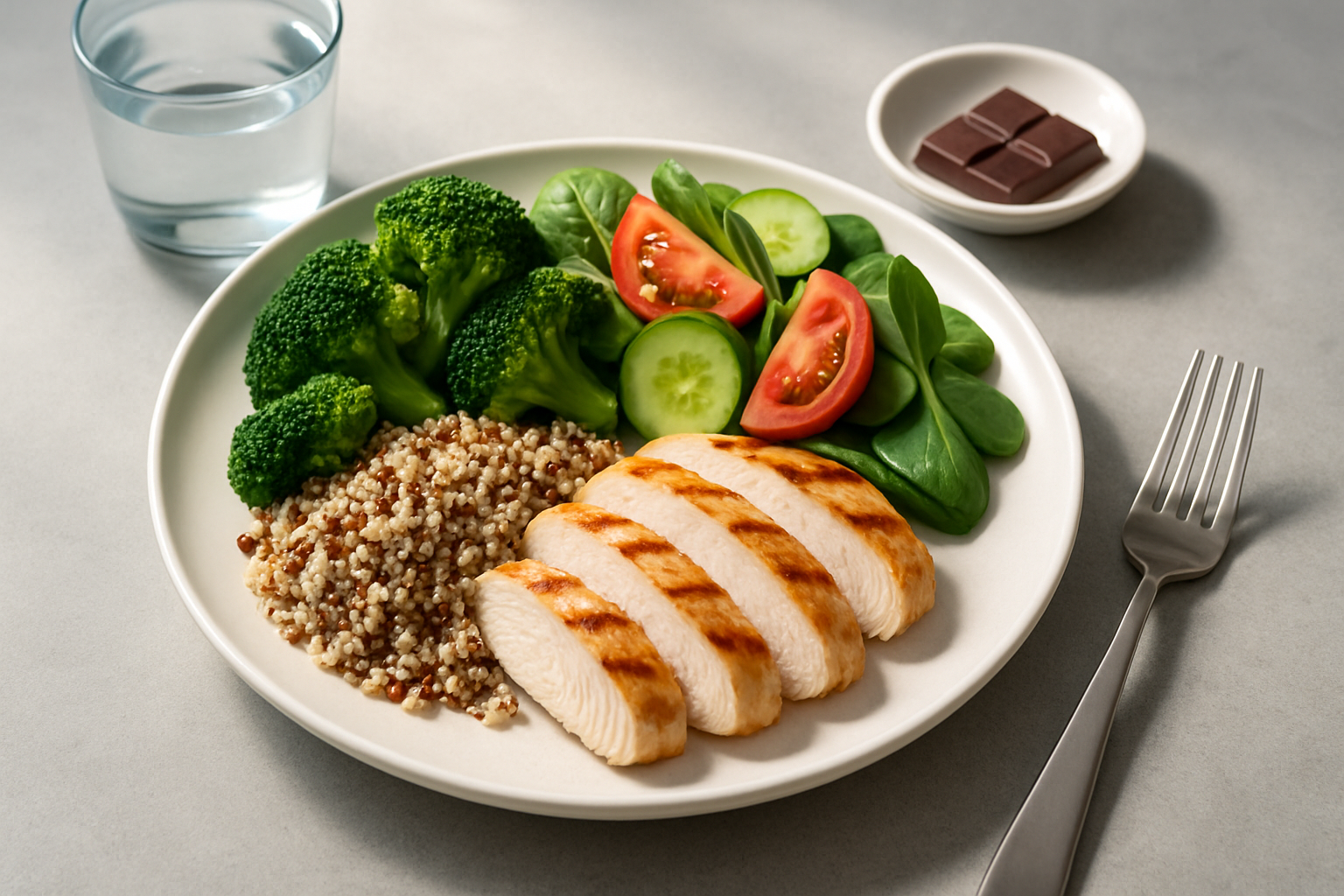
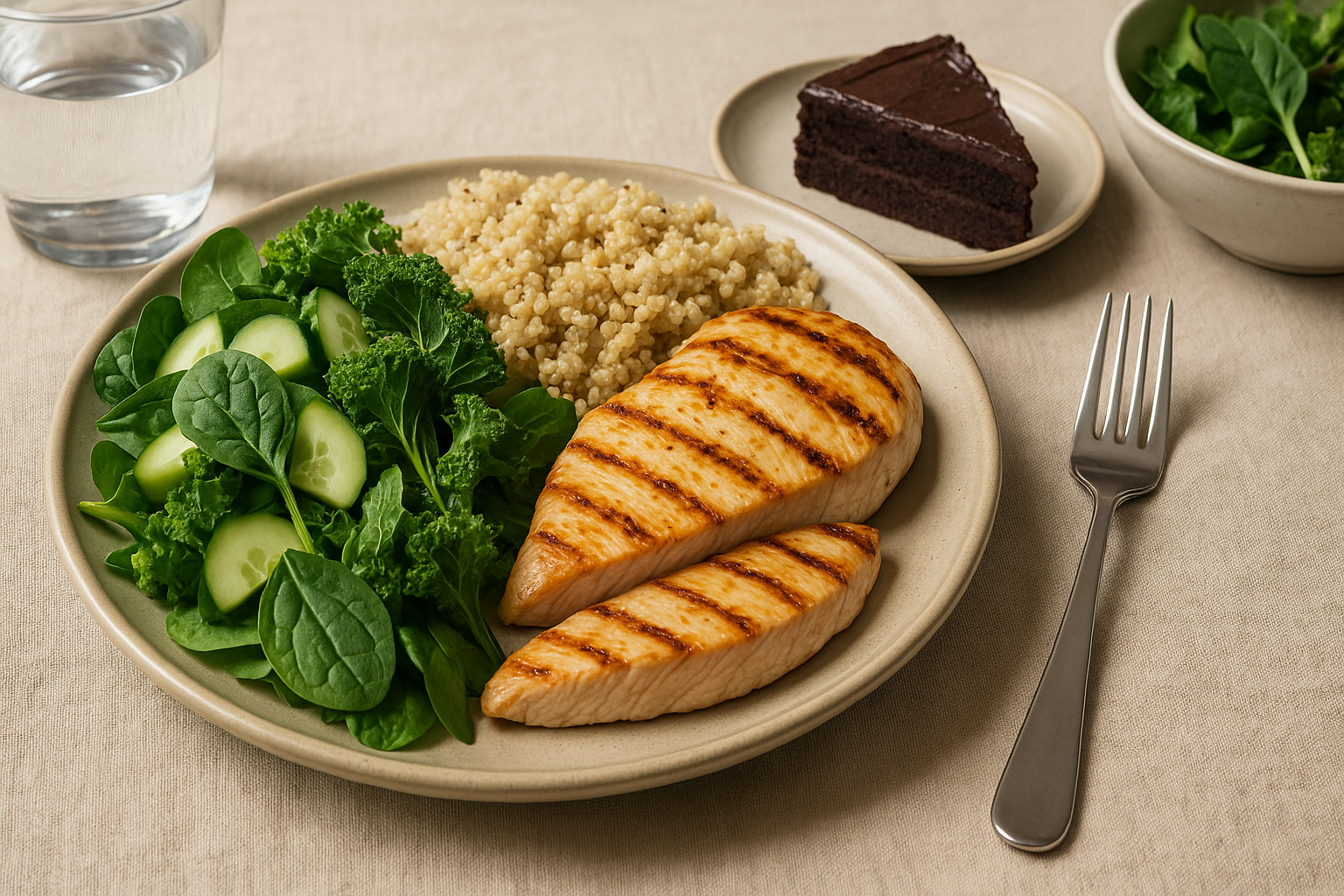
At its core, the 80/20 rule is about balance and sustainability. The idea is simple: eat nutritiously dense foods 80% of the time and allow yourself the flexibility to enjoy less nutrient-dense options 20% of the time. This approach trains your focus on the overall dietary pattern rather than an unrealistic ideal of nutritional perfection.
The rule encourages making healthy eating a part of your lifestyle, bridging the gap between nutrition and personal enjoyment. It dispels the common misconception that one needs to forego favorite foods to maintain a healthy diet plan.
Calculating Your Macros
Understanding Macronutrients
To effectively implement the 80/20 rule, it’s important to understand and calculate your macronutrients: carbohydrates, proteins, and fats. Each of these plays a crucial role in your body’s functioning. For instance, carbohydrates provide energy, proteins support muscle repair, and fats are vital for hormone production.
Using a reliable macronutrient calculator can help you determine the percentage of each nutrient required to meet your dietary goals, such as weight loss or muscle gain.
Steps to Calculate Macros
- Identify Your Caloric Needs: Use an online TDEE (Total Daily Energy Expenditure) calculator.
- Set Your Goals: Decide if you are aiming for fat loss, muscle gain, or maintenance.
- Distribute Your Macros: Typically, a balanced macro split for a healthy diet plan could be 40% carbs, 30% protein, and 30% fat, but this can vary based on individual needs.
Benefits of Flexible Dieting
The flexible dieting approach not only aligns with the 80/20 rule but also provides several unexpected benefits:
- Reduces Food Anxiety: By eliminating strict food restrictions, you’re less likely to develop an unhealthy relationship with food.
- Increases Sustainability: This model promotes a nutritious, balanced diet fitting into social events and various lifestyles.
- Promotes Mindful Eating: By indulging consciously, individuals report improved body image and reduced binge-eating episodes.
Staying Consistent with 80/20 Dieting
Monitoring Progress
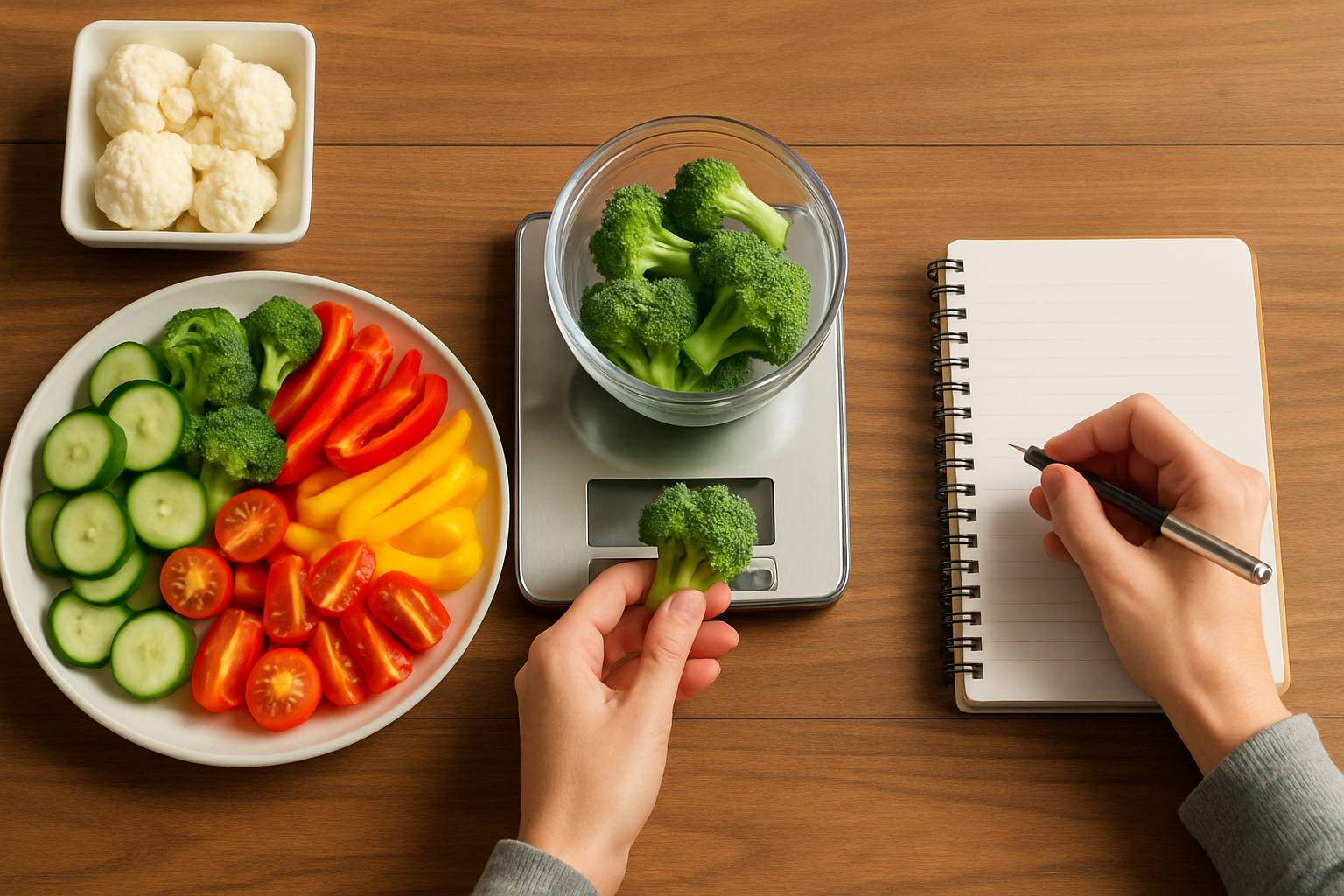
It’s vital to frequently review your progress to ensure that the flexible dietary approach is effective in reaching your health goals. Useful methods include keeping a food diary, employing fitness-tracking gadgets, or consulting a dietitian specialized in sustainable dieting.
Real-Life Adaptations
Consider Samantha, a busy working mom, who applied the 80/20 rule to her lifestyle. With her hectic schedule, Samantha discovered success with meal planning, allowing her to indulge in weekend treats while still adhering to her macros.
Tools to Aid Consistency
- Fitness Tracking Apps: These offer insights into nutritional intake and expenditure.
- Meal Prep Services: Consider services that allow flexibility without full preparation on your part.
- Community Support: Online forums like MyFitnessPal provide a wealth of shared experiences and tips.
Frequently Asked Questions
How does the 80/20 rule differ from traditional dieting?
Unlike most diets that offer a rigid structure with potential for short-term success, the 80/20 rule embraces flexibility by fostering a balanced eating plan. By allowing you to eat what you crave 20% of the time, you feel less inclined to abandon your goals.
Can the 80/20 rule apply to individuals with specific dietary restrictions?
Absolutely. Whether you’re vegetarian, gluten-free, or have other restrictions, the 80/20 rule can weave seamlessly into existing dietary frameworks. Customized nutrient ratios can be adjusted to ensure all dietary needs are met.
What if I go overboard on the 20% treats?
It happens to the best of us. The key is not to dwell on it but gain perspective. Return to your 80% focus balanced with exercise and hydration to reset both mind and body.
Can this approach help with weight loss?
Yes, this principle has shown promise in weight management. When paired with an active lifestyle and mindful eating, the focus on balance rather than deprivation supports gradual, sustainable fat loss.
Is professional guidance necessary?
While not mandatory, consulting a nutritionist can provide valuable insights into individual requirements, adjusting macro targets aligning with health conditions or fitness objectives, thereby enhancing results.
Conclusion
The 80/20 rule offers a refreshing path towards a sustainable diet. With its basis in moderation, not restriction, this methodology supports a long-term healthy relationship with food. When integrated into a larger health strategy, it could be the key to your dietary success.
Embracing the 80/20 rule can transform how you view dieting, and it’s time to see food as the ally in health it truly is.
Author note: As a lifelong enthusiast of balanced living, I’ve used the 80/20 rule to maintain a vibrant lifestyle amidst the chaos of everyday life. This approach to eating aligns seamlessly with the spirit of stronglifes.com, where holistic wellness meets practicality.



Deixe um comentário