
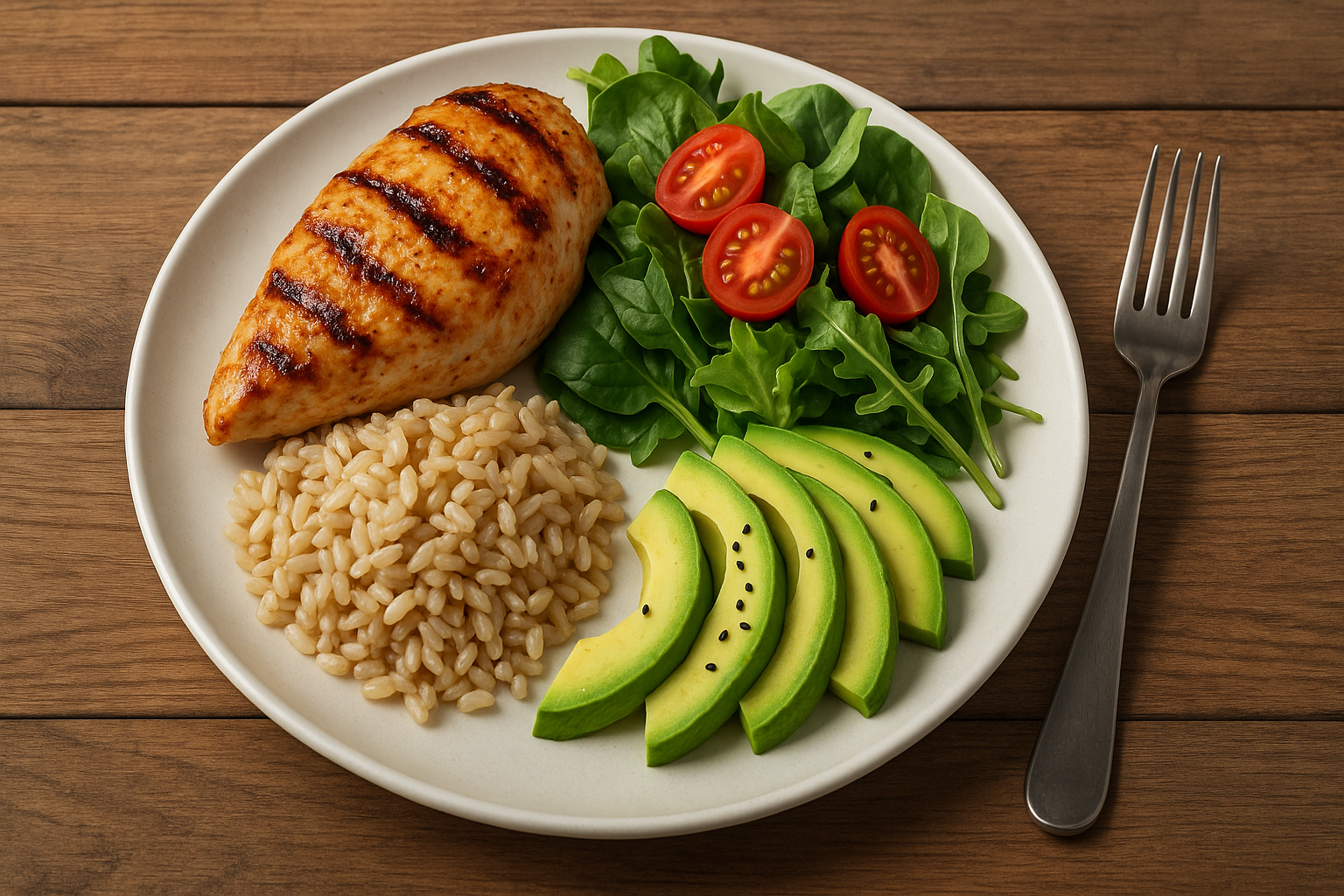
Dieting Without Starving: How to Calculate and Track Your Macros for Sustainable Fat Loss
Adopting a healthier lifestyle doesn’t mean you have to starve yourself. Many people find sustainable fat loss by calculating and tracking their macronutrients, or macros, which allows them to maintain energy levels and feel satisfied while losing weight.
If you’ve ever wondered how you can eat well without feeling deprived, this guide is for you. We’ll explore the benefits of a macro-based diet and how you can tailor it to your needs.
- Why Calculate Macros?
- Understanding Macros
- Calculating Your Macros
- Tracking Macros Efficiently
- Common Mistakes to Avoid
- FAQs
Why Calculate Macros?
Macros, short for macronutrients, include proteins, carbohydrates, and fats. Instead of counting calories, focusing on these food components ensures balanced nutrition. Calculating macros helps in creating a healthy diet plan that suits individual needs for fat loss, muscle gain, or maintenance.
In 2024, a study published in the Journal of Nutrition and Metabolism emphasized the effectiveness of macro tracking over traditional calorie counting, highlighting reduced caloric intake without sacrificing energy levels or muscle retention.
Author Note: As someone who struggled with crash diets, I finally found consistency with macro tracking. This shift not only enhanced my physical health but also provided me with sustainable eating habits.
Understanding Macros
Each macronutrient offers distinct benefits: proteins build muscle, carbohydrates provide energy, and fats support brain function and hormonal balance. Balancing these components is key to a sustainable diet.
Proteins
Proteins are essential for muscle repair and building. Foods like chicken, fish, and legumes are excellent sources. As confirmed by a 2025 study from Harvard University, adequate protein intake supports muscle synthesis, crucial for long-term weight management.
Carbohydrates
Often misunderstood, carbohydrates are vital for energy. Choose complex carbs like quinoa and sweet potatoes to ensure steady blood sugar levels and prolonged satiety.
Fats
Healthy fats, found in avocados and nuts, don’t just energize but also aid in absorbing vitamins. Ensure you consume enough to support bodily functions.
Calculating Your Macros
To calculate macros, you need to determine your caloric needs based on your goals, activity level, and body composition. Use the Harris-Benedict equation or online macro calculators for accuracy.
- Determine your Basal Metabolic Rate (BMR).
- Adjust for activity level to find Total Daily Energy Expenditure (TDEE).
- Allocate macros based on percentages: 40% carbs, 30% protein, 30% fats (customize as needed).
Example Calculation
Consider Jane, who wants to lose weight. She’s determined her TDEE is 2000 calories. She plans her macros as follows: 800 calories from carbs, 600 from protein, and 600 from fats.
This balanced approach helps her focus on nutrient density and satiety, essential for sustainable dieting without feeling deprived.
Tracking Macros Efficiently
Efficient macro tracking ensures you reach your dietary goals. Tools like MyFitnessPal or macros-focused apps make tracking seamless by scanning barcodes and suggesting portion sizes, simplifying the process.
Tools and Techniques
Consider using a food scale for precision and a digital journal for accountability. Many experts advocate these practices as they minimize errors and provide visual feedback about food choices.
Check out our guide on maintaining healthy habits to support consistent tracking.
Real-World Example
Sam started tracking macros over a year ago. Initially daunting, he found using an app streamlined the process. Over 12 months, Sam saw sustained fat loss without energy drops or cravings.
Common Mistakes to Avoid
Not Adjusting for Progress
As your body changes, so do your caloric and macro needs. Review and revise your macros monthly as necessary, keeping your goals aligned and achievable.
Ignoring Hunger Signals
Listen to your body. If you’re constantly hungry, consider increasing your protein intake as it enhances satiety. This strategy follows findings from a 2025 nutrition research linking protein-rich diets to improved weight loss adherence.
FAQs
What are macros, and why are they important?
Macros refer to the three core nutrients: protein, carbohydrates, and fats. They are crucial for a balanced diet, contributing to muscle growth, energy, and overall well-being.
How can I start tracking my macros?
Start by determining your caloric needs and then use apps like MyFitnessPal to log food intake. Adjust as needed to align with your dietary goals and activities.
Is macro tracking better than calorie counting?
While both methods work for weight loss, macro tracking emphasizes nutrient quality and balance, often resulting in better dietary adherence and satisfaction.
What happens if I go over my macro targets?
Occasional lapses won’t hinder progress if you’re consistent overall. Adjustments are part of the journey, allowing for better understanding and improvement.
How do I adjust my macros when my weight stalls?
If weight loss plateaus, reassess your TDEE and adjust macros slightly, either reducing carbs/fats or increasing activity. This flexibility helps break through weight loss plateaus.
- Calculating and tracking macros provides a balanced dietary approach.
- Track consistently for best results, adjusting as needed.
- Adequate nutrition supports sustainable weight loss without starvation.
The key to dieting without starving is maintaining balance, flexibility, and consistency. By focusing on macro ratios, you prioritize nutrients necessary for health and satiety, enabling sustainable fat loss and improved well-being.



Deixe um comentário