Looking to enhance your wellbeing through nutrition but unsure where to start? This comprehensive guide will walk you through crafting a healthy diet plan, calculating macros, and uncovering fat loss tips for sustainable dieting. Whether you’re aiming for weight loss, muscle gain, or overall health improvement, understanding these concepts is crucial. Let’s dive in!
- The Essentials of a Healthy Diet Plan
- How to Calculate Macros Effectively
- Proven Fat Loss Tips for Lasting Results
- Sustainable Dieting Practices for Long-term Success
- Frequently Asked Questions
- Conclusion
The Essentials of a Healthy Diet Plan
A healthy diet plan forms the backbone of any successful fitness journey. It’s about more than just counting calories; it involves selecting the right types of foods and distributing them wisely throughout your day. Here’s how you can start:
Understand Your Nutritional Needs
First and foremost, it’s important to understand what your body requires. Everyone’s dietary needs are unique. These depend on your age, gender, physical activity level, and health goals. The Dietary Guidelines for Americans provide a great starting point.
Planning Your Meals
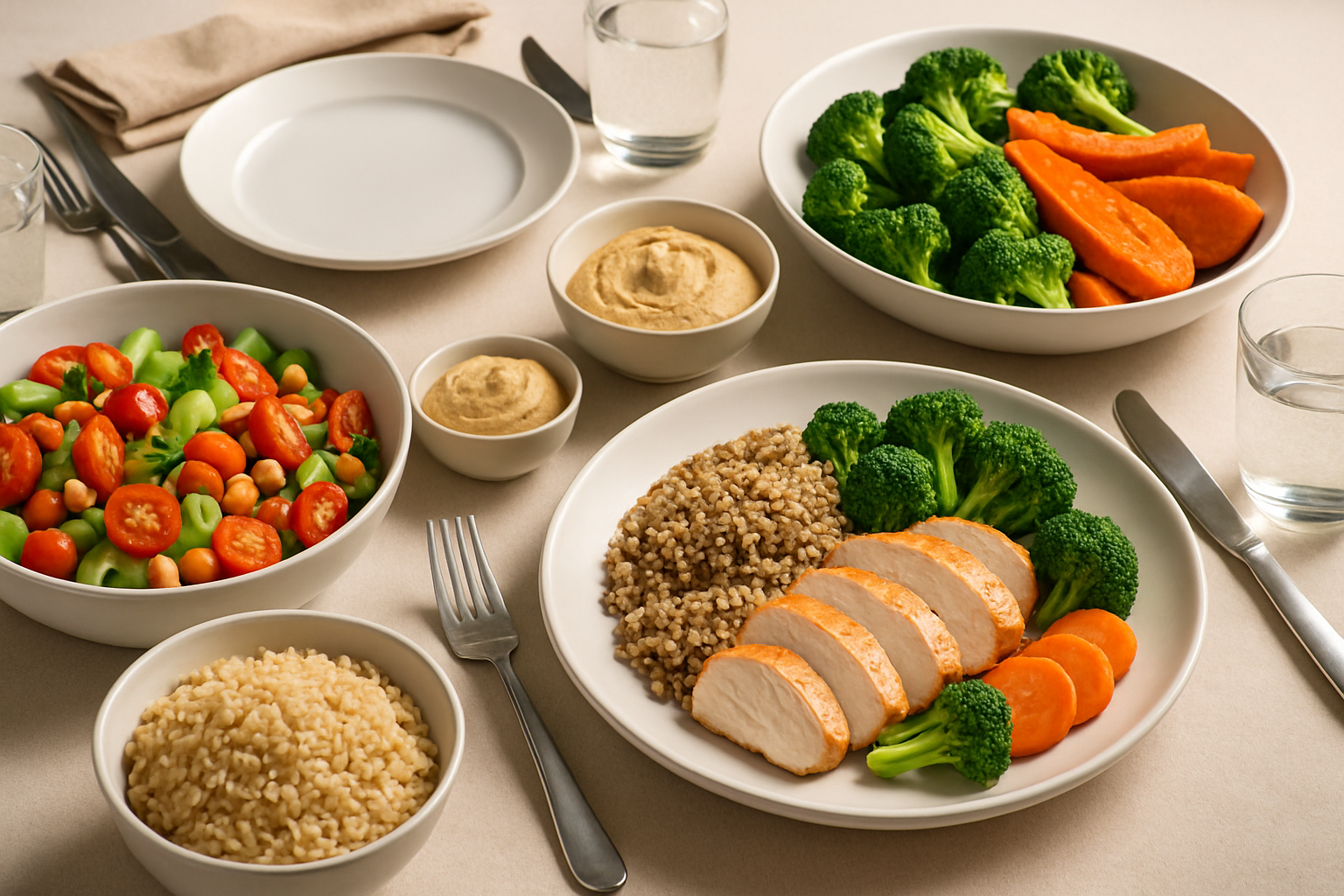
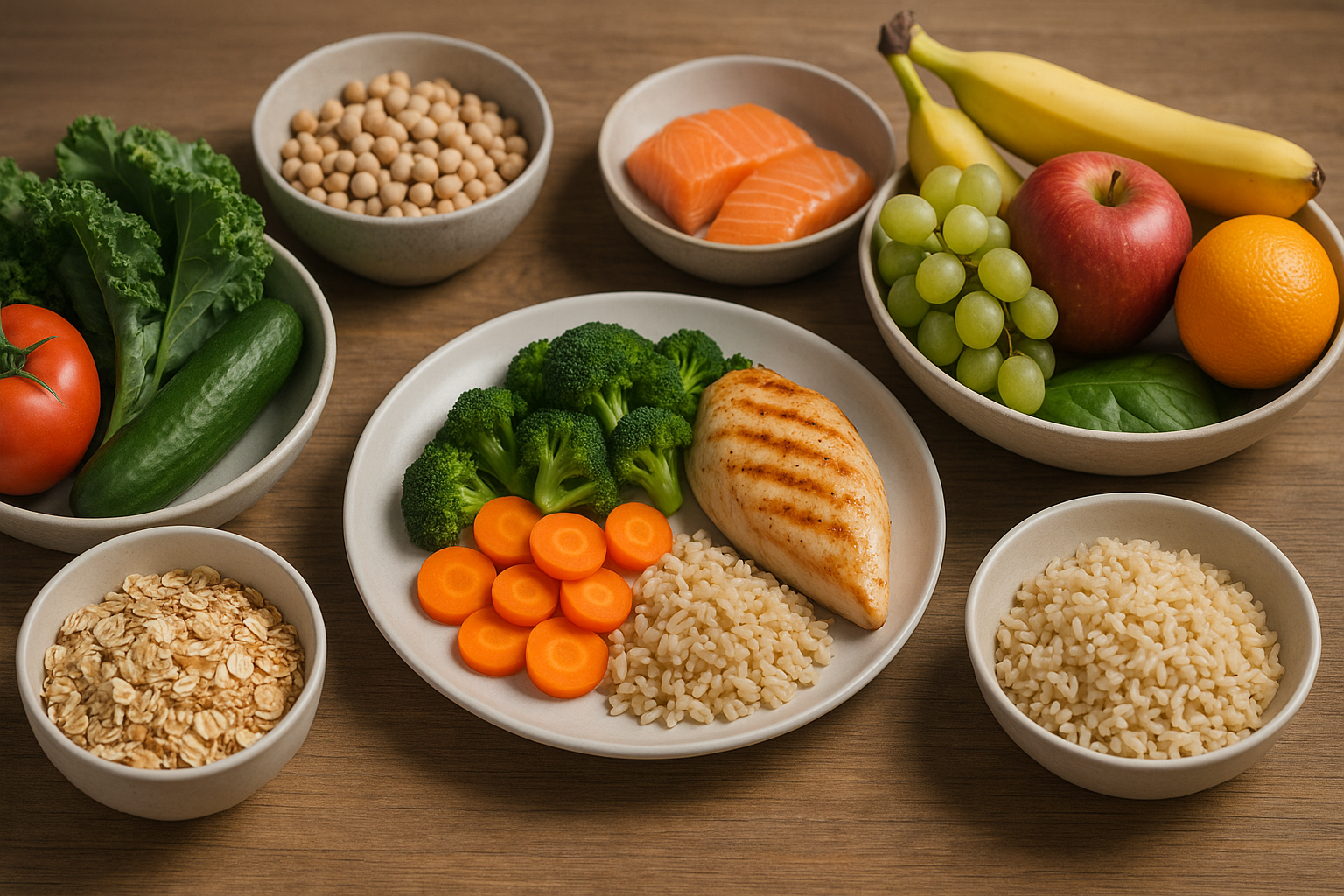
Create a meal plan that includes a variety of foods. Emphasizing vegetables, fruits, lean proteins, and whole grains can ensure you’re obtaining a spectrum of nutrients. For instance, a sample healthy meal might include grilled chicken with quinoa and steamed broccoli.
Practical Example
Consider Jane, a 30-year-old who wants to lose 15 pounds. By designing a diet plan focusing on nutrient-dense foods and portion control, she can reduce her caloric intake without feeling deprived.
| Food Group | Recommendations |
|---|---|
| Vegetables | Consume at least 2-3 cups |
| Fruits | Aim for 1.5-2 cups |
| Proteins | 5-6 ounces |
| Grains | 6-8 ounces |
How to Calculate Macros Effectively
Macro calculation is integral to tailoring a diet plan that meets your specific fitness goals. Here’s how you can approach it:
What are Macros?
Macros, or macronutrients, are the nutrients our bodies need in larger amounts, namely carbohydrates, proteins, and fats. Each plays a distinct role in our overall energy levels and bodily functions.
Calculating Your Macros
To calculate macros, you need to determine your daily caloric needs and decide the percentage of calories that should come from each macro. Many fitness experts suggest a common macro split of 40% carbs, 30% protein, and 30% fats for balanced nutrition. Specific needs might vary based on macronutrient calculators.
Real-world Application
Liam, a 25-year-old athlete, monitors his macros closely to build muscle. By tracking his intake through apps like MyFitnessPal and adjusting his macronutrient targets, he optimizes his diet for high energy and muscle recovery.
Proven Fat Loss Tips for Lasting Results
Losing weight sustainably requires consistency and patience. Here are some effective strategies:
Stay Hydrated
Drinking water can curb cravings and boost metabolism. Aim for at least 8 glasses a day or replace sugary drinks with infused water.
Prioritize Sleep
Quality sleep is crucial for weight loss. Inadequate sleep can disrupt hormonal balance, leading to increased appetite and weight gain.
Avoid Mindless Eating
Pay close attention to portion sizes and eat without distractions. This mindfulness can prevent overeating, a common pitfall on a diet.
Sustainable Dieting Practices for Long-term Success
Dieting isn’t just about immediate results; it’s about building a foundation for lifelong health.
Set Realistic Goals
Setting achievable goals can increase the likelihood of long-term success. Focus on losing about 1-2 pounds per week for steady progress.
Emphasize Nutritional Quality
Opt for whole, unprocessed foods and make gradual adjustments. This approach cultivates healthier eating patterns over time.
Frequently Asked Questions
How do I balance a diet plan and a busy lifestyle?
Meal prepping and planning ahead are key strategies. Cook in batches and use convenient, healthy snacks to stay on track despite a hectic schedule.
What role do cheat days play in dieting?
Cheat days can prevent burnout by allowing occasional indulgence. However, they should be well-balanced and not derail your diet plan.
Can I rely on dietary supplements?
Although supplements can support your diet, they shouldn’t replace whole foods. It’s best to focus on a nutrient-rich diet and use supplements to address specific deficiencies.
How do I overcome a weight loss plateau?
Breaking a plateau may require reviewing your caloric intake, adjusting workout routines, or trying new exercise types to boost metabolism.
Conclusion
Embarking on a healthy diet plan is a transformative journey that, when done correctly, enriches your life. By understanding how to calculate macros and employing effective fat loss tips, you set a strong foundation for sustainable dieting. As you advance, remember that consistency and patience are key. Embrace this holistic approach, and you’ll soon see and feel the results.
Author Note: As a certified nutritionist, I am committed to providing reliable insights to help you achieve your health goals seamlessly. Check out our other posts on Understanding Nutrition Labels and Balancing Fitness and Nutrition for more tips.