The Ultimate Guide to a Healthy Diet Plan: Calculating Macros and Sustainable Fat Loss Tips
Creating a healthy diet plan can be daunting, especially with the myriad of advice available online. You’re looking for a strategy that not only helps you achieve your weight loss goals but is also realistic and sustainable. In this guide, we’ll explore how calculating macros can aid in developing an effective diet plan, offer practical fat loss tips, and emphasize sustainable dieting practices.
- Understanding Macronutrients
- Calculating Your Macros
- Designing a Sustainable Diet
- Effective Fat Loss Tips
- Common Mistakes to Avoid
- FAQs
Understanding Macronutrients
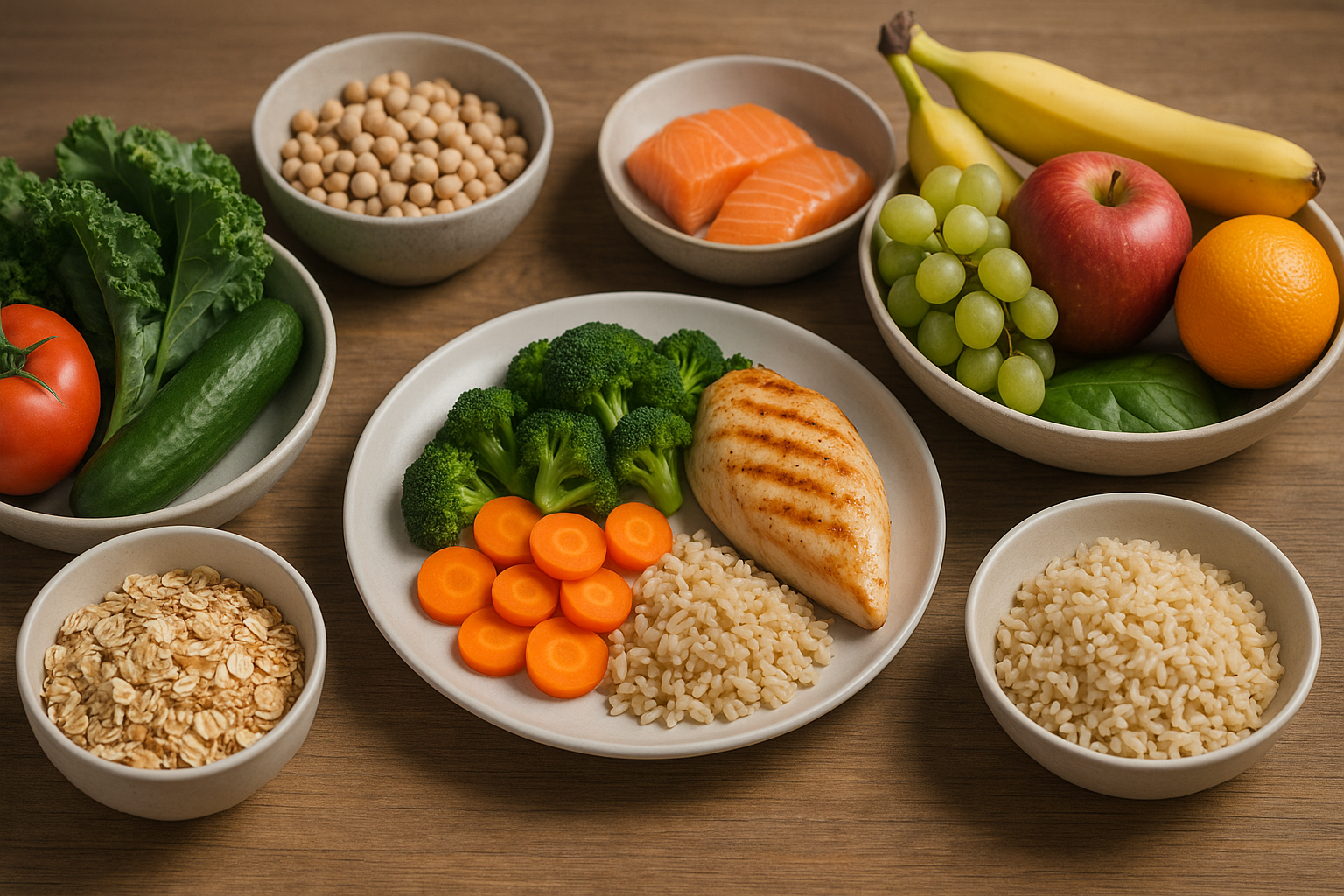
Macronutrients, or macros, are the primary nutrients that our bodies need in large amounts for energy and maintaining bodily functions. These include carbohydrates, proteins, and fats.
Carbohydrates are the body’s main energy source, breaking down into glucose for quick fuel. Proteins are crucial for repairing and building tissues, while fats support cell growth and protect organs. Understanding the role of each macro can help you tailor a diet that aligns with your health goals.
Protein Intake
For those focused on fat loss and muscle retention, adequate protein intake is crucial. The recommended daily allowance is typically 0.8 grams per kilogram of body weight, but this can vary based on activity levels and goals.
Carbohydrates and Energy
Contrary to some diet fads, carbohydrates are essential. Opt for complex carbs like whole grains and vegetables, which offer more nutrients and influence satiety positively.
Fats for Health
While often demonized, healthy fats are vital. Focus on unsaturated fats from sources like avocados, nuts, and olive oil, which are beneficial for heart health.
Calculating Your Macros
Calculating your macros requires understanding your caloric needs, which can be determined using the Harris-Benedict equation or one of many available online calculators.
| Macro | Recommended Percentage | Calories per Gram |
|---|---|---|
| Carbohydrates | 45-65% | 4 |
| Protein | 10-35% | 4 |
| Fat | 20-35% | 9 |
Step-by-Step Calculation
- Determine your caloric needs based on activity level and goals.
- Assign a percentage to each macro based on your dietary preferences and objectives.
- Convert these percentages into grams using the calories per gram for each macro.
Let’s say you need 2,000 calories per day. Allocating 50% of your calories to carbs, 30% to protein, and 20% to fat would mean consuming 1,000 calories from carbs (250 grams), 600 calories from protein (150 grams), and 400 calories from fat (44 grams).
Designing a Sustainable Diet
Sustainability is key in any diet plan. It’s about creating a lifestyle change, not a temporary fix. A sustainable diet plan prioritizes balanced nutrition and flexibility rather than restriction.
Balance and Moderation
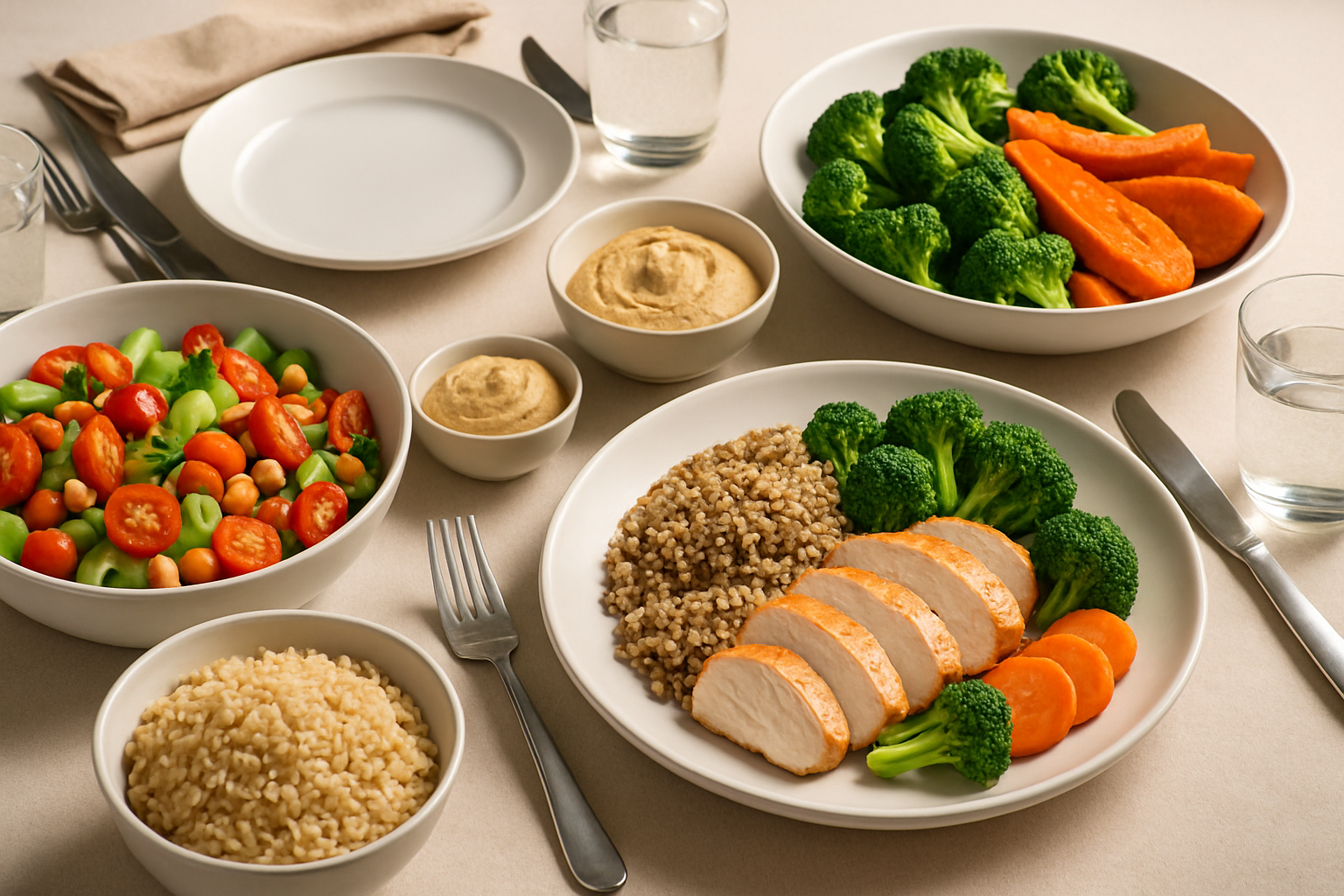
Incorporating all food groups ensures you’re receiving a full spectrum of nutrients. It’s essential to balance indulgence with nutritious foods, promoting a more realistic and enjoyable diet experience.
Planning and Preparation
Set aside time to plan meals and snacks. This reduces last-minute food choices that might not align with your goals. Batch cooking and stocking up on healthy ingredients make it easier to stick to your plan.
Mindful Eating
Practicing mindful eating can prevent overeating. Pay attention to hunger cues and savor each bite. This practice can significantly contribute to long-term success and a healthier relationship with food.
Effective Fat Loss Tips
Successful fat loss involves more than just cutting calories. Here are some expert-backed tips to enhance your fat loss journey:
Stay Hydrated
Water is often underrated but crucial in the fat loss process. It aids in digestion and can help control hunger. Aim for at least 8 cups of water daily, adjusting for activity level and climate.
Exercise Smart
Incorporate both cardio and strength training into your routine. Cardio burns calories, while strength training increases muscle mass and improves metabolism. Balance is essential for effective fat loss.
Get Enough Sleep
Quality sleep is vital for recovery and hormonal balance. Studies show that inadequate sleep can disrupt your body’s metabolism and increase hunger hormones, making weight loss more difficult.
Common Mistakes to Avoid
Many fall into similar traps when attempting to lose weight. Here are common mistakes to watch out for:
Starvation Diets
Drastically reducing calories might yield quick results but isn’t sustainable. This approach can lead to nutrient deficiencies and muscle loss.
Ignoring Nutrient Density
Not all calories are created equal. Choose foods rich in vitamins and minerals over empty-calorie foods for a more satisfying diet.
Impatience and Pressure
Weight loss is a gradual process. Setting unrealistic expectations can lead to discouragement. Focus on progress rather than perfection.
FAQs
How do I calculate my caloric needs?
Calculating caloric needs involves taking into account your age, weight, height, gender, and activity level. Many online calculators can provide an estimate. For personalized advice, consulting with a nutritionist is recommended.
Are all fats bad for fat loss?
No, fats are essential, and not all are harmful. Focus on unsaturated fats found in foods like fish, nuts, and olive oil. These fats support overall health and can aid in satiety.
Why is protein important for weight loss?
Protein boosts metabolism, reduces appetite, and helps maintain muscle mass during weight loss. It’s a crucial macro for anyone aiming to lose fat while preserving lean body mass.
Can I still enjoy my favorite foods while dieting?
Yes, moderation is key. Incorporating your favorite foods occasionally can help maintain your diet long-term. Balance indulgences with nutrient-rich meals to stay on track without feeling deprived.
Conclusion
Crafting a healthy diet plan involves more than just counting calories—it’s about understanding macronutrients and creating a sustainable lifestyle. By calculating your macros, incorporating balanced nutrition, and following effective fat loss tips, you can achieve lasting results. Remember, the most enduring changes come from gradual, consistent efforts.